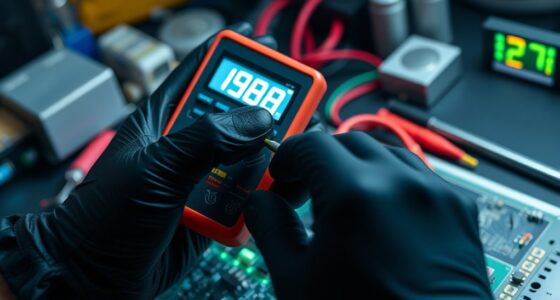

Thermal cameras help you spot heat issues before failures happen by providing clear images of heat patterns and hotspots that your eyes can’t see. They allow you to quickly identify abnormal temperature fluctuations, such as hotspots indicating electrical resistance or worn parts. This early detection enables proactive maintenance, reduces costly breakdowns, and keeps your equipment running smoothly. Stay with us, and you’ll discover more about how this technology keeps your systems healthy.

Get backup power and energy gear delivered free — and shop member deals
- Fast, free delivery on millions of items
- Access to Prime Big Deal Days deals on October 6–7
- Prime Video, Amazon Music and more included
Key Takeaways
- Thermal cameras visualize abnormal heat patterns indicating potential equipment failures before they occur.
- They detect hotspots signaling electrical overloads or mechanical wear early.
- Continuous monitoring with thermal imaging enables proactive maintenance and fault prevention.
- They provide quick, non-invasive temperature assessments without shutting down machinery.
- Thermal data helps establish baseline temperatures and identify deviations indicating underlying issues.

Thermal cameras have revolutionized how we detect heat, enabling us to see beyond what the naked eye can perceive. With infrared imaging technology, you can visualize heat patterns and identify abnormal temperature fluctuations that might otherwise go unnoticed. This capability makes thermal cameras invaluable for proactive maintenance and early fault detection, especially in complex systems where heat buildup often signals impending failure.
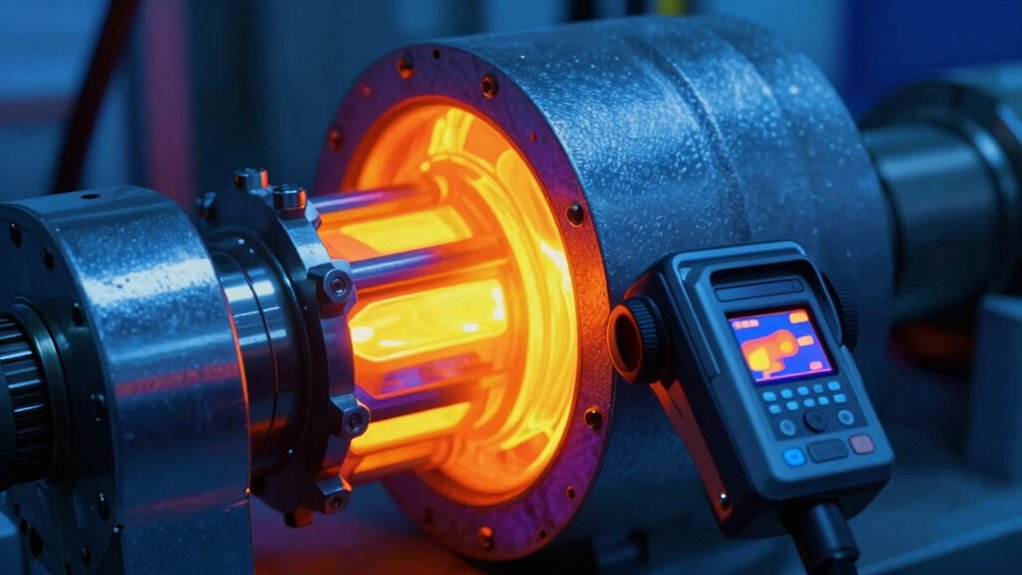
Infrared imaging allows you to measure temperature differences across surfaces and components quickly and accurately. When you point a thermal camera at machinery, electrical panels, or infrastructure, you’re essentially creating a thermal map that highlights hotspots. These hotspots often indicate areas where electrical resistance is increasing, bearings are overheating, or insulation is deteriorating. By monitoring these temperature variations in real-time, you gain critical insights into the condition of equipment, helping you to prevent costly breakdowns before they happen. Regular thermal data collection can also help you establish baseline temperatures, making deviations more apparent and easier to detect early.
Temperature monitoring with thermal cameras is straightforward and non-invasive, meaning you don’t have to shut down equipment to perform inspections. This non-contact approach offers safety benefits, especially when dealing with high-voltage electrical systems or dangerous machinery. Instead of physical probes that can be risky or cumbersome, you simply aim the camera and observe the heat signatures. The instant feedback allows you to pinpoint the exact location of problems, saving you time and effort compared to traditional inspection methods. Additionally, thermal cameras often come equipped with features like temperature calibration that enhance measurement accuracy, making your inspections more reliable.
Furthermore, thermal cameras provide a thorough view of heat distribution, revealing patterns that might be missed through manual checks. For example, uneven heating could suggest misalignment, worn parts, or electrical faults. Recognizing these early signs lets you schedule maintenance proactively, reducing downtime and extending the lifespan of your equipment. Over time, you develop a thermal profile of your system, which helps you to spot deviations from normal thermal behavior, indicating emerging issues. Developing this profile relies on consistent and accurate data collection, emphasizing the importance of quality equipment and proper training. Understanding the environmental impact of your thermal monitoring practices can also help optimize your inspections for greater sustainability. It’s also beneficial to consider how external factors, such as ambient temperature and humidity, might influence your thermal readings, ensuring you interpret data correctly.
Ultimately, the power of infrared imaging in thermal cameras goes beyond simple detection — it empowers you to act before failures occur. Continuous temperature monitoring helps you maintain ideal operation, improve safety, and reduce operational costs. Whether you’re overseeing a manufacturing process, managing electrical infrastructure, or maintaining building systems, thermal cameras give you a clear, real-time window into the health of your assets. By catching heat anomalies early, you keep everything running smoothly, avoiding surprises and ensuring reliability in your operations. Recognizing these early warning signs can significantly enhance maintenance strategies and operational efficiency.
infrared thermal camera for electrical inspection
As an affiliate, we earn on qualifying purchases.
As an affiliate, we earn on qualifying purchases.
Frequently Asked Questions
How Accurate Are Thermal Cameras in Detecting Early Heat Anomalies?
Thermal cameras are quite accurate in detecting early heat anomalies, especially when properly calibrated. They can identify subtle temperature differences, but beware of false positives that may occur due to environmental factors or calibration issues. Regular calibration accuracy checks are essential to maintain reliability. Overall, if maintained correctly, thermal cameras provide a dependable way to spot potential problems before failure, helping you prevent costly downtime.
Can Thermal Cameras Identify Heat Issues Through Insulation or Barriers?
Thermal cameras can often identify heat issues through insulation and barriers, but their effectiveness depends on insulation integrity and barrier material. If the insulation is compromised or thin, the camera can detect underlying heat patterns. However, dense or reflective barriers can hinder heat detection, making it harder to spot issues. Always consider insulation quality and barrier properties when relying on thermal imaging for early heat anomaly detection.
What Are the Limitations of Thermal Cameras in Industrial Environments?
In industrial environments, thermal cameras face limitations like infrared resolution, which can hinder detecting small or distant heat differences accurately. Calibration challenges also arise due to varying environmental conditions, making consistent readings difficult. You might struggle with false positives or negatives if the camera isn’t properly calibrated or if the infrared resolution isn’t high enough. These factors require careful setup and ongoing maintenance to guarantee reliable thermal imaging for heat detection.
How Often Should Thermal Inspections Be Performed for Optimal Safety?
In the age of steam and clockwork, maintenance scheduling remains essential for safety. You should perform thermal inspections regularly, ideally monthly or quarterly, depending on the equipment’s criticality and operating conditions. This inspection frequency helps detect early signs of overheating or failure, preventing costly downtime. Consistent thermal monitoring guarantees your systems stay reliable, and you avoid unexpected failures that could compromise safety and productivity.
Are Thermal Cameras Effective for Detecting Heat Leaks in Residential Buildings?
Yes, thermal cameras are effective for detecting heat leaks in residential buildings. Using thermal imaging, you can quickly identify areas where heat escapes, such as poorly insulated walls or gaps around windows and doors. This heat detection helps you pinpoint problem spots, saving energy and increasing comfort. With regular thermal inspections, you guarantee your home stays energy-efficient and reduces utility costs by addressing leaks early.
As an affiliate, we earn on qualifying purchases.
Conclusion
Thermal cameras act like vigilant guardians, constantly watching over equipment and catching heat before it turns into a costly failure. By revealing hidden hotspots, they let you address problems early—saving time, money, and headaches. Think of them as your personal radar, guiding you safely through the storm of potential breakdowns. Embrace this technology, and you’ll keep things running smoothly, turning the threat of heat into just a flicker in the distance.
industrial thermal camera for maintenance
As an affiliate, we earn on qualifying purchases.
As an affiliate, we earn on qualifying purchases.
thermal camera with temperature calibration
As an affiliate, we earn on qualifying purchases.
As an affiliate, we earn on qualifying purchases.
Evergreen bestsellers Picks
bestsellers
As an affiliate, we earn on qualifying purchases.