A buzzing electrical panel is a warning sign that you shouldn’t ignore, as it indicates potential hazards like loose or faulty breaker connections, arcing, or outdated wiring. Ignoring this noise can increase the risk of electrical fires, equipment failure, and overheating. Addressing it promptly by calling a professional is essential for your safety and to prevent costly repairs. Stay tuned to learn more about what your buzzing panel might be telling you and how to keep safe.
Key Takeaways
- Constant buzzing indicates a potential electrical fault that can lead to fires or equipment failure.
- Ignoring buzzing sounds increases the risk of overheating, arcing, and electrical fires.
- Loose or faulty circuit breakers are common causes of panel buzzing and should be inspected promptly.
- Outdated or overloaded panels can cause dangerous electrical issues if not upgraded.
- Professional inspection and maintenance are essential to ensure safety and prevent costly damage.
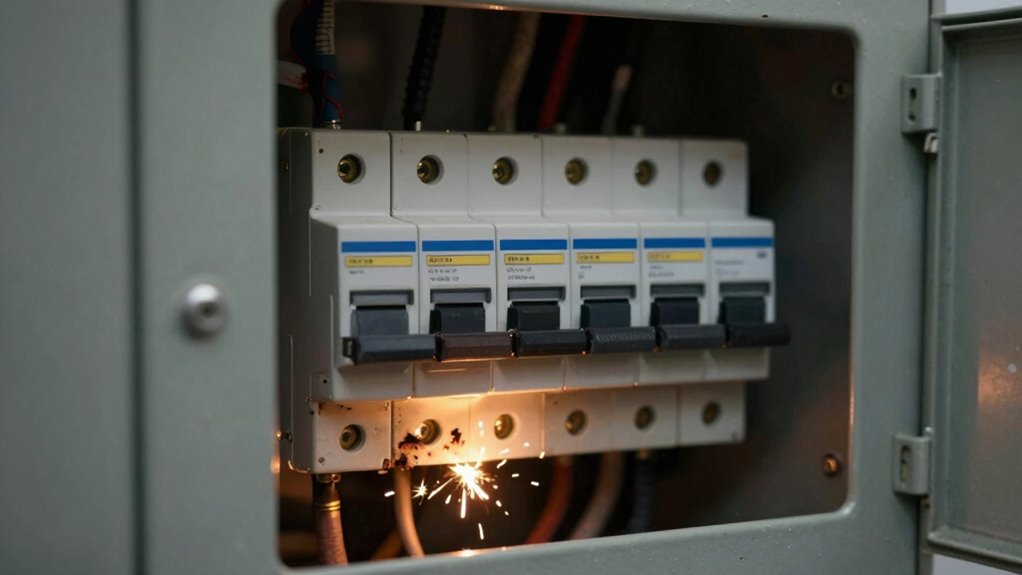
Have you ever noticed a constant buzzing coming from a panel in your home or office and wondered what’s causing it? That sound isn’t just annoying; it’s often a warning sign that something isn’t right with your electrical system. Ignoring a buzzing panel can put your electrical safety at risk, potentially leading to dangerous electrical fires or equipment failure. The buzz might seem minor at first, but it’s usually a sign of underlying issues that need immediate attention.
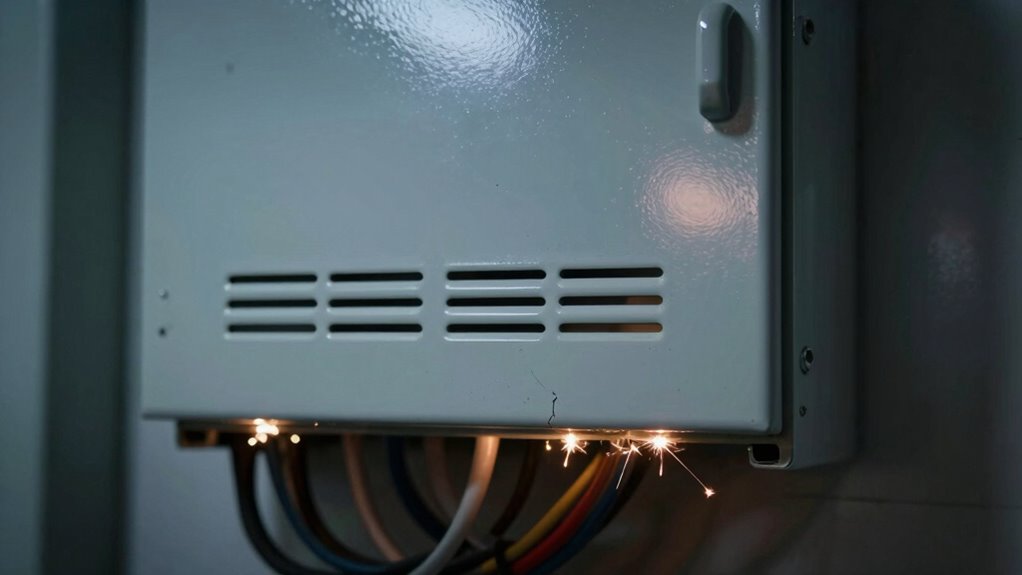
One common cause of a buzzing panel is loose or faulty circuit breakers. Over time, these breakers can wear out or become loose, causing electrical arcing that creates the buzzing noise. This arcing isn’t just noisy—it’s hazardous because it can generate heat and sparks, increasing the risk of electrical fires. If you notice this kind of buzzing, it’s essential to have a professional inspect your electrical panel promptly. They can determine whether the breakers need tightening, replacement, or if there’s a deeper problem requiring a panel upgrade. Regular inspections and maintenance can help identify electrical system components that are deteriorating or malfunctioning before they become critical issues. Additionally, understanding home electrical safety can help homeowners recognize early warning signs and prevent potential hazards. Being aware of electrical safety standards can further help mitigate risks associated with electrical panels.
Loose circuit breakers can cause dangerous arcing and buzzing—urgent professional inspection is essential for safety.
Another reason for the buzzing noise could be outdated electrical panels that no longer meet the demands of modern appliances and electronics. Older panels may have worn-out components or insufficient capacity, forcing your system to work harder than it should, which can lead to overheating and electrical safety concerns. Upgrading your panel not only resolves these issues but also guarantees your system can handle current and future electrical loads safely. An upgraded panel can prevent overloads and reduce the risk of electrical faults that might cause a fire or damage to your appliances. Additionally, understanding cultural artifacts and traditional techniques can help homeowners identify early signs of issues before they escalate. Regular inspections and maintenance are crucial for detecting problems like loose wiring connections or corrosion early on, preventing costly repairs down the line.

Klein Tools ET310KIT AC Circuit Breaker Finder Kit, Electric Tester, GFCI Tester, Leads, Adapters and Case
- Accurate Breaker Identification: Quickly locate the correct breaker
- Visual and Audible Cues: Clear signals when breaker is found
- Built-in GFCI Tester: Test GFCI outlets and wiring
As an affiliate, we earn on qualifying purchases.
As an affiliate, we earn on qualifying purchases.
Frequently Asked Questions
Can Buzzing Panels Cause Fire Hazards?
Buzzing panels can indeed cause fire hazards if left unchecked. The noise often indicates electrical safety issues like loose connections or overloaded circuits, which increase the risk of sparks and overheating. Addressing these problems promptly is vital for fire prevention. You should have a qualified electrician inspect and repair buzzing panels to guarantee your electrical system remains safe and reliable, helping you avoid potential fires and maintain a secure environment.
How Long Does It Take to Fix a Buzzing Panel?
You might find that fixing a buzzing panel takes anywhere from a few hours to a full day, depending on the problem’s complexity. During panel troubleshooting, you’ll identify issues like loose connections or faulty components. Prioritizing electrical safety, you should turn off power before working on it. The process can be quick if it’s a simple fix, but more serious problems could require professional help and longer repair times.
Is Professional Repair Necessary for All Buzzing Panels?
You shouldn’t attempt DIY fixes on a buzzing panel, especially because electrical safety is vital. While some minor issues might seem simple, professional repair is necessary for most cases to prevent hazards like shocks or fires. A qualified electrician has the skills and tools to diagnose and fix the problem safely, ensuring your panel functions properly without risking your safety or violating electrical codes. Always prioritize professional help for buzzing panels.
What Are the Cost Implications of Fixing a Buzzing Panel?
Ah, the sweet symphony of a buzzing panel—who wouldn’t want an impromptu concert at home? Fixing it costs more than just a quick fix; electrical inspections and noise mitigation can add up. While DIY might seem tempting, professional repairs guarantee safety and long-term savings. Remember, ignoring the noise won’t make it go away—and your wallet might regret the silence more than the buzz.
Are Buzzing Panels Common in Older Buildings?
Buzzing panels are quite common in older buildings due to outdated panel design and historical wiring. As these systems age, they often develop issues like loose connections or deteriorating components, causing the buzzing sound. You might notice it more during high electrical loads. Addressing these problems promptly is vital to guarantee safety and prevent potential electrical failures. Upgrading or repairing your panel can resolve the noise and improve overall electrical reliability.
Klein Tools ET310KIT AC Circuit Breaker Finder Kit, Electric Tester, GFCI Tester, Leads, Adapters and Case
- Accurate Breaker Identification: Quickly locate the correct breaker
- Visual and Audible Cues: Clear signals when breaker is found
- Built-in GFCI Tester: Test GFCI outlets and wiring
As an affiliate, we earn on qualifying purchases.
As an affiliate, we earn on qualifying purchases.
Conclusion
Ignoring that buzzing panel might seem harmless, but what if it’s a warning sign? Left unchecked, it could lead to costly repairs—or even dangerous electrical failures. Don’t brush it off as just noise; listen closely. The real danger lies beneath the surface, waiting to strike when you least expect it. Stay vigilant, and address that buzz before it becomes a problem you can’t silent. The choice is yours—act now or face the consequences later.

Siemens Q120 20-Amp Single Pole Type QP Circuit Breaker
- Amperage and Voltage: 20 Amp, 120V single pole
- Interrupting Rating: 10,000 AIC
- Easy Installation: Plug-in connections with Insta-wire
As an affiliate, we earn on qualifying purchases.
As an affiliate, we earn on qualifying purchases.

Square D – HOM1224L125PGC Homeline 125 Amp 12-Space 24-Circuit Indoor Main Lugs Load Center with Cover and Ground Bar (Plug-on Neutral Ready),
- Neutral Bar Included: Supports Plug-on Neutral arc fault breakers
- Flexible Breaker Compatibility: Accepts full-size, tandem, or quad breakers
- Ground and Neutral Capacity: Holds up to three 0-14 equipment grounds
As an affiliate, we earn on qualifying purchases.
As an affiliate, we earn on qualifying purchases.