TL;DR

Get backup power and energy gear delivered free with Prime
- Fast, free delivery on millions of items
- Prime Video, Amazon Music and more included
- Member-only deals all year
Airzone has joined Equiwatt in the £5.5 million Ofgem-funded CoolDown project, which tests whether households can reduce air-conditioning use during periods of high electricity demand. Airzone Cloud will allow participating systems to adjust cooling automatically, alongside an app-based option for customers to act manually. A second UK summer trial is planned for 2027; the report does not provide detailed results from the first trial.
HVAC controls company Airzone has joined Equiwatt in the £5.5 million Ofgem-funded CoolDown project, adding automated air-conditioning controls to a UK trial testing whether households can reduce electricity demand during peak periods. The project aims to examine how rising use of cooling could affect the electricity network and whether voluntary demand-response events can help manage that pressure.
CoolDown is led by SP Electricity North West and National Grid, with project partners University College London and Guidehouse Europe. According to Cooling Post, the research focuses on events in which participating users voluntarily reduce or temporarily pause air-conditioning use, typically for one or two hours on weekday evenings when demand is high.
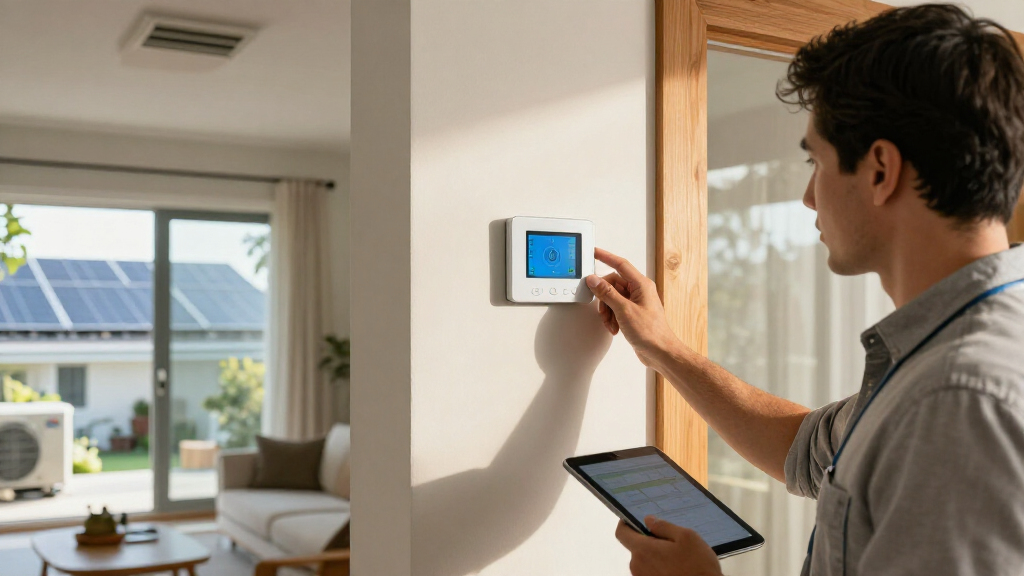
Under the project’s existing app-based approach, Equiwatt notifies enrolled customers when a demand-response event is called. Customers can then choose to switch off cooling equipment manually. Airzone’s contribution adds an automated option: participating systems connected through Airzone Cloud can adjust cooling and carry out energy-saving actions during peak periods, including when occupants are away.
CoolDown has run two UK-based summer trials. The first, initially focused on the North West, was completed in September, according to the report. The project plans to expand the second trial in 2027, increasing its size and scope and integrating National Grid licence areas. The source does not give participant totals, measured electricity savings or a detailed assessment of the first trial.
Testing Automated Cooling Controls
The partnership addresses a practical challenge for demand response: asking people to change their electricity use at a specific time may limit participation, particularly when no one is home. Automated control through Airzone Cloud could make it easier for participating households to respond to a peak event without manually operating their air-conditioning equipment.
The project also aims to collect evidence about how increased cooling demand may affect the UK grid as temperatures rise and more parts of daily life are electrified. Its value will depend on results not yet reported: whether controls reduce demand at useful times, how many customers take part, and whether automated adjustments can be made while maintaining acceptable comfort. The project is a research trial, not evidence that the approach has already delivered a particular level of savings.
Products Worth Considering

Philips Hue Festavia 65-Foot Smart LED String Lights, 250 Color-Changing Mini LEDs

Levoit Core 300S-P Smart Air Purifier

Levoit Core 600S-P Smart Air Purifier for Large Rooms
As an affiliate, we earn on qualifying purchases.
From App Alerts to Automation
CoolDown was established as an Ofgem Strategic Innovation Fund research project with £5.5 million in funding to study the effect of air-conditioning use in homes and other settings on the UK electricity system. The project’s demand-response events are triggered when peak use is forecast. Cooling Post says forecasts draw on factors including weather, renewable generation and expected electricity consumption.
Equiwatt is described as a UK climate technology platform and free mobile app that rewards households for reducing or shifting electricity use at peak times. Airzone’s role builds on that customer notification model by linking participating air-conditioning systems to cloud-based controls. The source says the first trial began with a North West focus and that the next phase is intended to cover a wider scope, with National Grid licence areas included.
Trial Results Still Undisclosed
The available report does not state how many households took part in the first trial, how much electricity use changed during events, or whether the project found any measurable impact on peak demand. It also does not describe the specific control settings Airzone Cloud will use, how customers can set preferences, or how comfort will be evaluated.
The project is testing a response to possible network pressure; the source does not establish that air-conditioning demand has caused a UK-wide electricity shortfall. Quintanilla said demand had risen sharply during a recent hot summer and claimed it overtook supply, but the report gives no underlying data, defined time period or independent confirmation for that statement. The scale and timing of any future increase in UK cooling use remain uncertain.
Expansion Planned for 2027
The next stated milestone is the second summer trial in 2027, which is planned to grow in size and scope and include National Grid licence areas. The project is expected to test demand-response participation with Equiwatt notifications and Airzone’s automated controls.
Further information will be needed to judge the approach, including participation levels, changes in electricity use during events, customer comfort outcomes and how the automated system performs across different network areas. The source does not give a release date for trial findings or confirm when those results will be published.
Key Questions
What is the CoolDown project?
CoolDown is a £5.5 million Ofgem-funded UK research project examining whether households can reduce air-conditioning use during periods of high electricity demand.
What will Airzone contribute?
Airzone will bring Airzone Cloud automated controls to participating systems, allowing them to adjust cooling during demand-response events rather than relying only on customers to switch equipment off manually.
When will the next trial take place?
The report says the second UK summer trial is planned for 2027, with an expanded scope that includes National Grid licence areas.
Did the first trial reduce electricity demand?
The first trial was completed in September, but the source does not report its measured results or electricity savings. Its impact cannot be established from the information provided.
Source: coolingpost.com