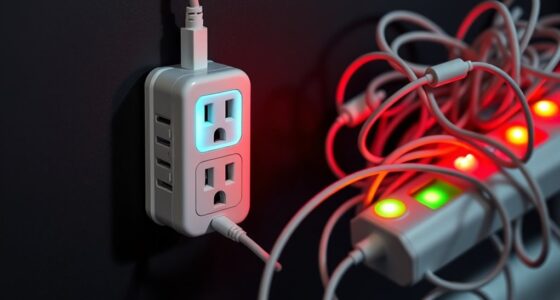
To think about peak power at home, consider when your electricity use is highest, often during mornings, evenings, or use of high-demand appliances. Recognize that high consumption can overload your system and increase costs. Using solar panels and energy storage can help you shift demand and lower costs during peak times. Smart energy management systems and monitors give you insights to control usage better. Keep exploring how you can optimize your system for smoother, cost-effective energy use.

Get backup power and energy gear delivered free — and shop member deals
- Fast, free delivery on millions of items
- Access to Prime Big Deal Days deals on October 6–7
- Prime Video, Amazon Music and more included
Key Takeaways
- Identify when your household’s electricity use peaks, such as during cooking or heating times.
- Use energy monitoring tools to track and analyze consumption patterns during different periods.
- Invest in high-efficiency solar panels to maximize power generation during peak sunlight hours.
- Incorporate energy storage systems to shift high-demand energy use to off-peak times.
- Implement smart energy management systems for real-time control and optimization of power usage.
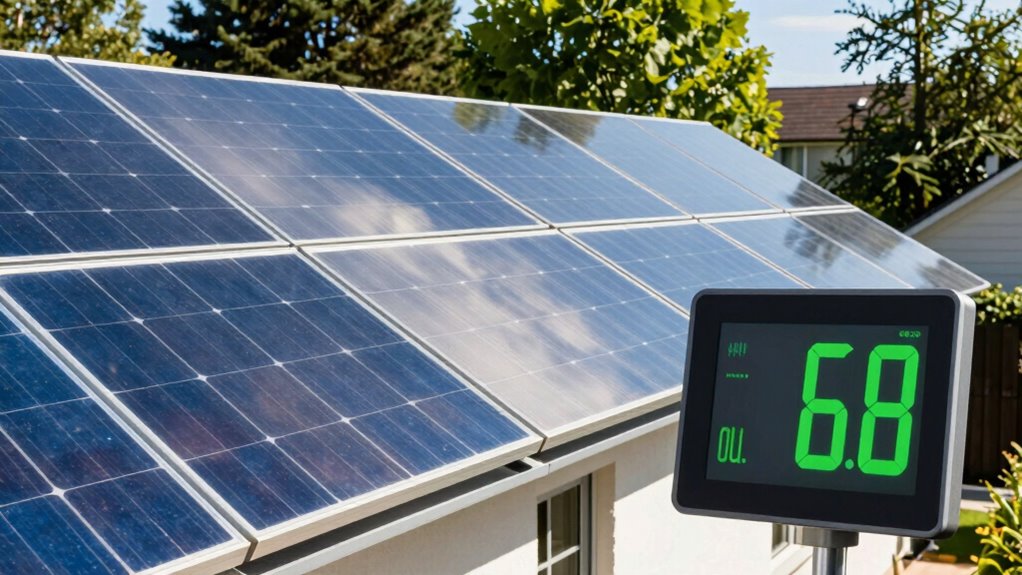
Understanding peak power at home is essential for managing your energy use effectively. Peak power refers to the highest level of electricity your household consumes during a specific period, usually during certain times of the day when your appliances, heating, or cooling systems run simultaneously. Recognizing when these peak times occur helps you avoid overloading your electrical system, reduce energy costs, and optimize your overall energy management.
Peak power is your home’s highest electricity use during specific times, impacting costs and system efficiency.
One key factor influencing your home’s peak power is the efficiency of your solar panels. Solar panel efficiency determines how much sunlight is converted into usable electricity, which impacts how well your system can supply energy during peak demand periods. Higher efficiency panels produce more power from the same amount of sunlight, reducing your reliance on the grid and lowering the likelihood of exceeding your peak power capacity. If you’re considering solar, investing in panels with better efficiency can make a significant difference in managing your peak load, especially when paired with energy storage solutions.
Energy storage solutions play a crucial role in controlling your peak power. By storing excess solar energy generated during the day, you can use it during high-demand hours, which often occur in the late afternoon and early evening. This not only helps you avoid costly peak electricity rates but also alleviates stress on your electrical system. Batteries or other storage systems allow you to shift your energy consumption from peak times to off-peak periods, effectively flattening your household’s power demand curve. Properly integrating energy management systems can further optimize how your energy storage interacts with your overall setup, helping you make smarter decisions about when to use stored energy. Additionally, understanding peak power with measurement tools can provide precise insights into your household’s energy consumption patterns, enabling you to make data-driven decisions to improve efficiency. Incorporating smart monitoring devices can enhance your ability to track and respond to fluctuations in your energy usage, further supporting peak load management.
Frequently Asked Questions
How Does Peak Power Impact My Overall Energy Costs?
Peak power affects your overall energy costs because higher demand during peak times often leads to increased rates. By using energy storage and demand management strategies, you can reduce your peak load, saving money. When you store energy during off-peak hours, you use less from the grid during busy times. This minimizes your peak power usage, lowering your bills and easing strain on the grid.
Can Peak Power Usage Vary Daily or Seasonally?
Yes, your peak power usage can vary daily and seasonally. Through energy monitoring, you’ll notice shifts in your usage patterns based on weather, appliances, and habits. For example, you might see higher peaks during cold winters or hot summers when you run heating or cooling systems. Tracking these fluctuations helps you identify times of high demand, allowing you to adjust your habits and potentially save on energy costs.
What Appliances Contribute Most to Peak Power Demand?
Peak power demand is like a sudden storm, and certain appliances cause the most surge. Typically, appliances with high appliance load—such as electric water heaters, HVAC systems, and clothes dryers—drive this spike. These heavy-duty devices demand significant power during startup or operation. Effective power management involves scheduling these appliances during off-peak hours and using smart systems to smooth out demand, helping you avoid overloads and save on energy costs.
How Can I Reduce Peak Power Consumption Effectively?
You can reduce peak power consumption by leveraging energy storage systems during high-demand periods, which helps lower your immediate power draw. Additionally, participate in demand response programs offered by your utility, allowing you to shift or reduce usage during peak times. These strategies work together to cut costs, ease grid strain, and make your energy use more efficient, saving you money and supporting a more sustainable energy system.
Is Peak Power Measurement Different for Solar Households?
Yes, peak power measurement can differ for solar households. You need to take into account your solar panel efficiency and battery storage options, as these influence your overall power usage and generation. During peak times, your system’s ability to supply or store energy impacts your peak power readings. Monitoring both your solar output and storage helps you better manage and optimize your energy consumption, avoiding overloads and reducing costs.
Conclusion
Understanding peak power at home isn’t just about numbers; it’s about awareness, planning, and control. It’s about knowing when to save energy, when to use it wisely, and when to maximize your system’s potential. It’s about balancing your consumption, managing your appliances, and respecting your limits. By staying informed, staying proactive, and staying mindful, you can harness your peak power effectively. Because in the end, managing peak power is about empowering yourself to make smarter, better choices every day.
Fall Picks
fall essentials
As an affiliate, we earn on qualifying purchases.