Bifacial panels are worth it if you have high solar insolation and reflective surfaces like snow, water, or light-colored ground, as they capture sunlight from both sides to boost energy output. They tend to cost more upfront and require specialized installation, but their increased efficiency can lead to faster payback periods. Proper site conditions and setup are essential to maximize benefits. Want to find out if your location is ideal and how to optimize your system?

Get backup power and energy gear delivered free — and shop member deals
- Fast, free delivery on millions of items
- Access to Prime Big Deal Days deals on October 6–7
- Prime Video, Amazon Music and more included
Key Takeaways
- Bifacial panels are worth it when installation occurs in high-solar insolation areas with reflective surfaces to maximize energy gains.
- They provide a better return on investment when the additional upfront costs are offset by increased energy production.
- Proper site conditions, such as clean, reflective ground surfaces, are essential to realize bifacial advantages.
- Elevated tilt angles and specialized mounting systems enhance bifacial efficiency, making them worthwhile in suitable setups.
- Conducting thorough site and cost assessments ensures that bifacial panels deliver significant long-term savings and faster payback.
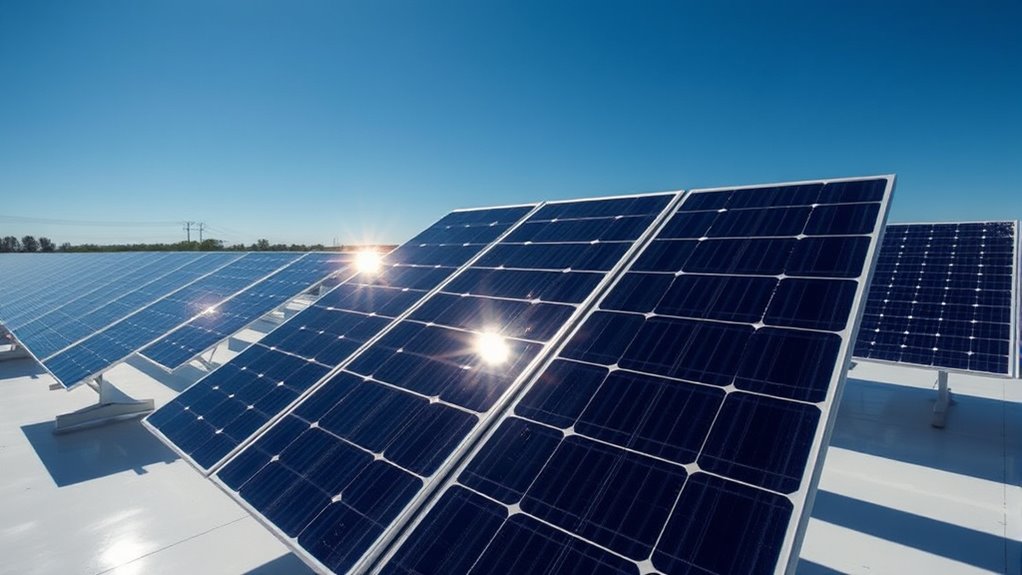
Bifacial panels are innovative solar technology designed to capture sunlight from both sides, increasing energy generation compared to traditional single-sided panels. This dual-surface capability means you can produce more electricity from the same footprint, making bifacial technology particularly attractive if you’re aiming to maximize your solar investment. However, before jumping in, it’s important to evaluate the cost analysis and installation challenges associated with this advanced technology. Bifacial panels tend to be more expensive upfront than standard monofacial panels, primarily due to their specialized manufacturing and higher efficiency potential. The initial investment includes not only the panels themselves but also the supporting infrastructure, which might require additional components like specialized mounting systems that optimize light reflection and capture. When assessing whether bifacial panels are worth it, you’ll need to determine if the increased energy output offsets the higher initial costs over the panels’ lifespan.
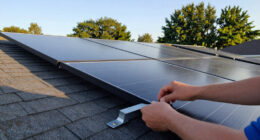
Installation challenges are another key factor to keep in mind. Bifacial panels require a different setup compared to traditional solar panels. They perform best when installed with ideal tilt angles and elevated heights to allow sunlight to reach both sides effectively. This may mean more complex mounting structures or adjustments to your existing installation plans, which can translate into higher labor costs and longer installation times. Additionally, the reflective surface beneath the panels plays a vital role in maximizing energy gains. Ensuring proper ground coverage or surface material to reflect sunlight upward can add steps and costs to the installation process. Dirt, snow, or shading can drastically reduce bifacial panel efficiency, so you’ll need to evaluate site conditions carefully. When planning your installation, make sure your contractor is experienced with bifacial systems, as improper setup can diminish the technology’s benefits and cut into your return on investment. Moreover, understanding the importance of a high reflectivity surface can significantly influence the overall performance of bifacial panels.
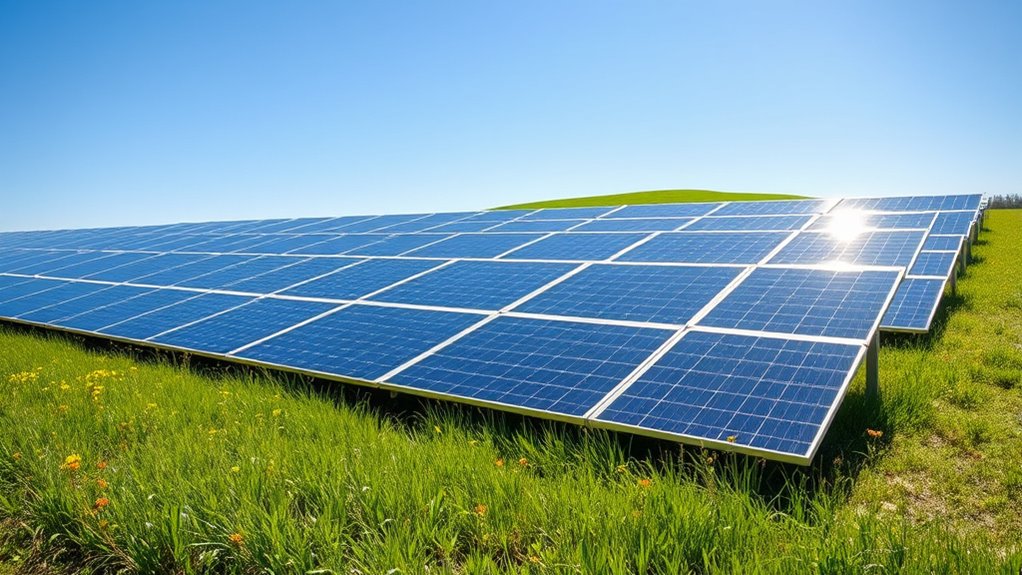
Despite these challenges, the potential for increased energy output makes bifacial panels appealing, especially in locations with high solar insolation or available reflective surfaces such as rooftops or open fields. Over time, the extra energy produced can lead to significant savings and faster payback periods, making the higher initial costs justifiable. Still, thorough site assessment, detailed cost analysis, and understanding the installation process are essential steps to determine if bifacial panels are a smart choice for your specific project. If you’re willing to invest in proper setup and can capitalize on your site’s sunlight and reflective opportunities, bifacial technology could very well be worth the extra effort and expense.
As an affiliate, we earn on qualifying purchases.
Frequently Asked Questions
How Do Bifacial Panels Perform in Cloudy or Shaded Conditions?
In cloudy or shaded conditions, bifacial panels still perform well because they capture diffuse sunlight from both sides. While shading impact reduces overall efficiency, bifacial panels can generate electricity from reflected light off surfaces, making them more effective in less sunny environments. You’ll see better results with bifacials than traditional panels when sunlight is scattered or partially obstructed, maximizing energy production even in less ideal conditions.
What Is the Typical Lifespan of Bifacial Solar Panels?
You can expect bifacial solar panels to last around 25 to 30 years, with minimal panel degradation over time. Manufacturers typically offer warranty coverage of 25 years, ensuring your investment is protected. Regular maintenance helps extend their lifespan, and high-quality panels tend to degrade less. Keep in mind that proper installation and environmental factors also influence longevity, so choosing reliable panels and adhering to warranty terms is vital for long-term performance.
Are Bifacial Panels More Resistant to Weather Damage?
Sure, bifacial panels are practically superheroes against weather damage. Thanks to their advanced weather resilience and durability factors, they resist hail, snow, and wind like champions. You might think they’re just fancy, but these panels are built tough, making them more resistant to weather damage than traditional ones. So, if you want your investment to survive nature’s worst tantrums, bifacial panels are your best bet.
How Does Installation Angle Affect Bifacial Panel Efficiency?
You should consider how the installation angle impacts bifacial panel efficiency because an ideal tilt maximizes sunlight exposure on both sides. If you set the angle too flat or too steep, you’ll reduce the panels’ ability to capture reflected and diffuse light, lowering energy output. By adjusting the installation angle to the optimal tilt for your location, you ensure your bifacial panels operate efficiently, yielding the best possible performance and return on investment.
What Are the Recycling Options for Bifacial Solar Panels?
You can recycle bifacial solar panels through specialized recycling processes designed to recover valuable materials like glass, aluminum, and silicon. While some worry about disposal methods, these processes minimize environmental impact and divert panels from landfills. Proper recycling guarantees that hazardous components are safely handled, and the materials can be reused in new panels or products. This eco-friendly approach makes bifacial panel disposal responsible and sustainable.
As an affiliate, we earn on qualifying purchases.
Conclusion
Bifacial panels can be a game-changer, especially if your location offers strong sunlight and reflective surfaces. Think of them as a wise investment that can double your solar gains, turning your roof into a powerhouse. However, their worth depends on your specific conditions—like a tailored suit rather than a one-size-fits-all. Weigh the costs and benefits carefully. When the stars align, bifacial panels can light up your energy future brighter than you ever imagined.
As an affiliate, we earn on qualifying purchases.
As an affiliate, we earn on qualifying purchases.
Fall Picks
fall essentials
As an affiliate, we earn on qualifying purchases.