
To guarantee your solar system operates safely and reliably, you must avoid underspecifying your DC disconnect switch ratings. Using a switch with too low a current rating can cause overheating, arcing, and potential fire hazards, risking damage to equipment and safety. Choosing a switch with proper ratings prevents these issues and supports system longevity. Keeping safety standards in check is essential—continue exploring to learn exactly how to select the right-rated DC disconnect for your setup.

Get backup power and energy gear delivered free with Prime
- Fast, free delivery on millions of items
- Prime Video, Amazon Music and more included
- Member-only deals all year
Key Takeaways
- Undersized DC disconnects can overheat, cause arcing, and increase fire risk during switching operations.
- Proper ratings ensure the disconnect can safely handle maximum system and surge currents.
- Using underspecified switches may lead to equipment damage and system failure over time.
- Accurate ratings are essential for compliance with safety standards and to prevent electrical hazards.
- Regularly verify disconnect ratings against system specifications to maintain safety and reliability.

Have you ever wondered how to guarantee your DC disconnect switch can handle the electrical load safely? Making certain proper ratings isn’t just about preventing equipment damage; it’s about safeguarding your entire solar power setup. When selecting a disconnect switch, one of the most critical factors is understanding its ratings and how they relate to your system’s demands. A disconnect switch that isn’t properly rated can lead to severe safety risks, especially during installation or maintenance. It’s essential to verify that your switch’s ratings align with your solar panel compatibility and the overall system specifications to avoid potential hazards.
Your solar panels generate a significant amount of electrical current, and that current must be safely interrupted during system shutdowns or emergencies. If your DC disconnect switch’s ratings are too low, it may not handle the maximum current produced by your panels, posing a risk of overheating or electrical fires. Conversely, choosing a switch with a higher rating than necessary doesn’t just add unnecessary cost; it can also lead to installation safety issues. An improperly rated switch may not function correctly in real-world conditions, especially during surges or unexpected current spikes, which are common in solar systems.
Proper DC switch ratings are essential to prevent overheating and electrical fires during system surges.
When evaluating your DC disconnect, it’s crucial to consider both the continuous current and the inrush current your system will experience. Solar panel compatibility dictates that your disconnect switch must match or exceed these current ratings. Failing to do so can result in switch failure or damage over time, compromising the safety of your installation. Proper ratings ensure that the switch can handle the maximum electrical load without risk of failure, providing peace of mind during regular operation and maintenance.
Installation safety hinges on selecting the right-rated disconnect switch. An undersized switch can cause electrical arcing, damage to the switch contacts, or even pose a shock hazard to technicians working on the system. It’s not just about meeting code requirements; it’s about choosing a component that can withstand real-world conditions. Always double-check the manufacturer’s specifications and ensure that the switch’s ratings are appropriate for your solar panel array’s output. This proactive approach reduces the risk of downtime, fire hazards, or electrical faults. Additionally, understanding DC disconnect ratings helps ensure compliance with safety standards and enhances the longevity of your solar energy system.
As an affiliate, we earn on qualifying purchases.
Frequently Asked Questions
How Do DC Disconnect Ratings Impact System Safety?
Your system safety relies heavily on proper DC disconnect ratings, as they guarantee adequate circuit protection. Undersized disconnects can lead to overheating, electrical failures, or fires, putting maintenance procedures at risk. By selecting appropriately rated disconnects, you improve safety and make maintenance easier and safer. Always verify ratings match system demands to prevent hazards, protect equipment, and maintain reliable operation, emphasizing the importance of correct specifications in your electrical setup.
What Factors Influence the Selection of the Correct DC Disconnect Rating?
You need to take into account several factors when selecting the right DC disconnect rating. First, assess your battery capacity to ensure the disconnect can handle maximum current flow. Then, account for ambient temperature, as extreme heat or cold can influence component performance. Overlooking these details risks underspecifying the disconnect, which could lead to system failure or safety hazards. Stay vigilant—proper ratings safeguard both your equipment and your peace of mind.
Can Undersized DC Disconnects Lead to Equipment Damage?
Undersized DC disconnects can definitely lead to equipment damage because they compromise circuit protection and may not handle the system’s voltage capacity. When the disconnect isn’t rated high enough, it can overheat or fail during overloads or short circuits. This risks damaging your equipment and causing unsafe conditions. Always choose a disconnect rated appropriately for your system’s voltage and current to make certain of reliable protection and avoid costly repairs.
Are There Industry Standards for DC Disconnect Ratings?
Yes, industry standards for DC disconnect ratings exist to guarantee safety and reliability. You should select a disconnect that matches your battery capacity and allows proper fuse coordination, preventing overloads or damage. These standards help you choose equipment with appropriate ratings, reducing risks of overheating or failure. Always follow manufacturer guidelines and local codes to ensure your DC disconnect can handle the maximum current safely.
How Often Should DC Disconnect Ratings Be Reviewed or Updated?
You should review your DC disconnect ratings at least every two to three years, especially during battery maintenance. An interesting 80% of system failures stem from component incompatibility or undersized ratings. Regular reviews ensure your disconnects meet current system demands, preventing overloads. Updating ratings maintains safety and reliability, aligning with evolving technology standards. Staying proactive helps you avoid costly downtime and ensures your system’s components remain compatible and properly rated for peak performance.
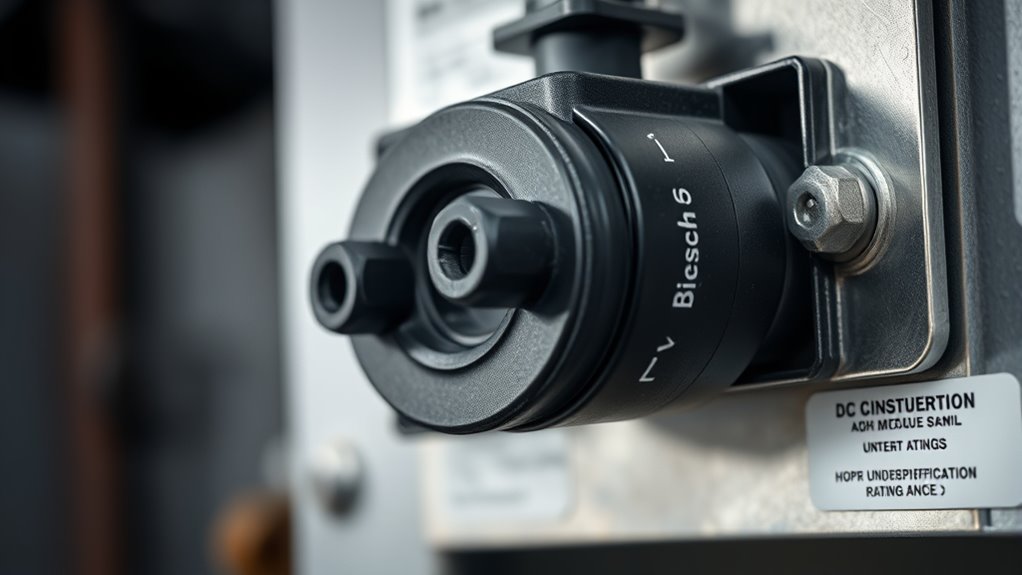
solar panel disconnect switch rated for high current
As an affiliate, we earn on qualifying purchases.
As an affiliate, we earn on qualifying purchases.
Conclusion
Remember, choosing the right DC disconnect ratings is like planting a sturdy tree—you want strong roots to weather any storm. Underspec it, and you’ll leave your system vulnerable, like a fragile branch ready to break. Think of your equipment as a delicate dance partner; give it the proper strength to move confidently. By selecting the correct ratings, you’re building a fortress that shields your investment, ensuring it stands tall and resilient through time’s unpredictable winds.
DC disconnect switch with surge protection
As an affiliate, we earn on qualifying purchases.
As an affiliate, we earn on qualifying purchases.
solar system safety disconnect switch
As an affiliate, we earn on qualifying purchases.
As an affiliate, we earn on qualifying purchases.
Halloween Picks
halloween
As an affiliate, we earn on qualifying purchases.