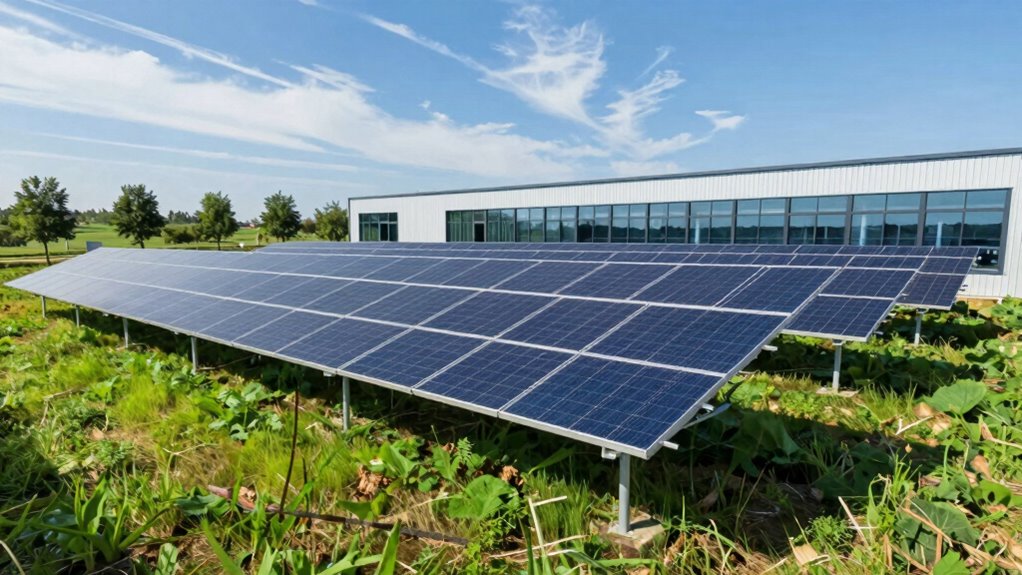
To plan a maintainable solar setup, focus on selecting reliable batteries like lithium-ion, ensuring proper system layout, and integrating modern monitoring tools. Keep your components accessible for easy inspections and maintenance, and choose durable equipment from trusted brands. Regular upkeep, proactive troubleshooting, and thoughtful wiring prevent issues and extend system life. By prioritizing these practices, you’ll create a lasting, efficient system. Stay with us to discover more tips for building a resilient solar setup.

Get backup power and energy gear delivered free — and shop member deals
- Fast, free delivery on millions of items
- Access to Prime Big Deal Days deals on October 6–7
- Prime Video, Amazon Music and more included
Key Takeaways
- Select high-quality, durable equipment and batteries to ensure long-term reliability and reduce maintenance needs.
- Design the system layout for easy access, clear labeling, and straightforward troubleshooting.
- Implement real-time system monitoring to detect issues early and optimize performance.
- Schedule regular inspections and adhere to manufacturer maintenance recommendations.
- Incorporate redundancy and future upgrade options to enhance system resilience and longevity.
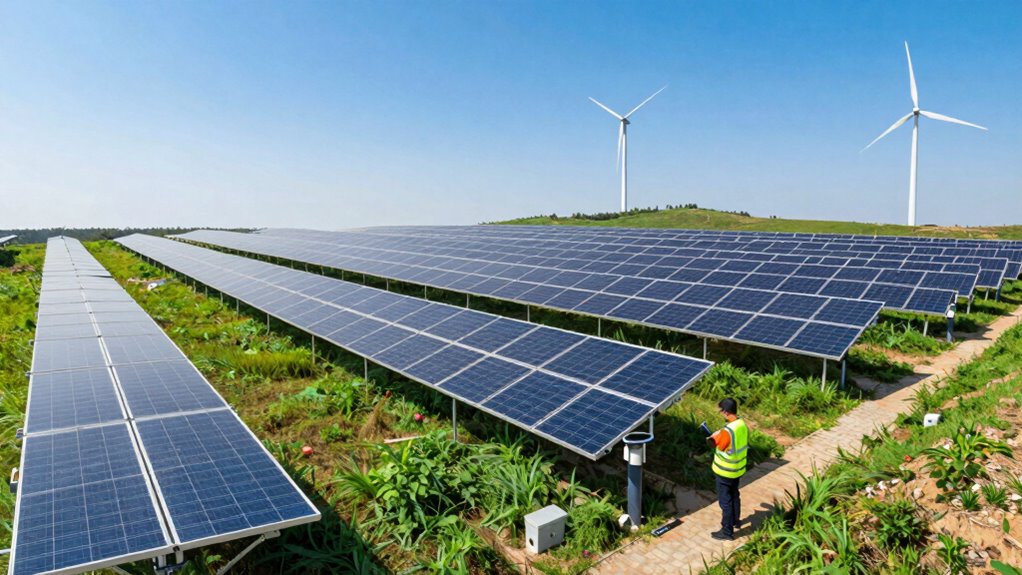
Are you wondering how to design a solar setup that stays reliable and easy to maintain over time? The key lies in thoughtful planning, especially when it comes to energy storage and system monitoring. Your energy storage choices directly impact the system’s longevity and efficiency, so selecting high-quality batteries and ensuring they’re properly integrated is essential. Lithium-ion batteries, for example, tend to last longer and require less maintenance compared to older lead-acid types. Positioning batteries in well-ventilated, temperature-controlled environments can extend their lifespan and prevent unexpected failures. Proper wiring and protective measures are equally important to avoid issues like short circuits or corrosion, which can compromise your entire system. Incorporating system monitoring tools enables you to track performance metrics and detect issues early, further enhancing system maintainability.
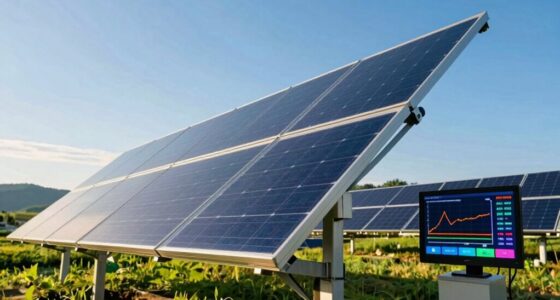
Equally critical is implementing a robust system monitoring setup. Modern monitoring devices give you real-time insights into your system’s performance, allowing you to catch potential problems early before they escalate. You want a monitoring system that tracks key metrics such as energy generation, consumption, battery health, and inverter status. This proactive approach helps you maintain optimal operation and reduce downtime. When you regularly review monitoring data, it becomes easier to identify patterns, detect inefficiencies, or spot signs of component degradation. This way, you can schedule maintenance or repairs proactively, saving you both time and money in the long run. Battery management is an essential component of system longevity, ensuring your batteries operate within safe and optimal parameters. Additionally, understanding the system components involved can help you better plan for future upgrades or repairs. Incorporating proper system integration techniques ensures all parts work harmoniously together, reducing potential issues.
Designing for maintainability also involves simplifying your system’s layout. Use accessible wiring routes and clearly labeled components so that troubleshooting becomes straightforward. Incorporate redundancy where possible—such as backup fuses or additional disconnect switches—so you can quickly isolate problems without disrupting the entire system. Regular inspections are vital; checking connections, cleaning dust or debris, and ensuring that all components are functioning correctly help prevent minor issues from turning into major failures.
Furthermore, your choice of equipment should prioritize durability and ease of maintenance. Opt for reputable brands with proven track records for reliability. Keep spare parts on hand, especially for critical components like inverters and batteries, so repairs can be swift. Additionally, stay updated on manufacturer recommendations and firmware updates, which can improve performance and security.
In essence, a maintainable solar setup hinges on careful planning around energy storage and system monitoring, combined with thoughtful design choices, regular upkeep, and the use of reliable equipment. By prioritizing these aspects, you ensure your solar investment remains dependable, efficient, and easy to manage for years to come.
As an affiliate, we earn on qualifying purchases.
Frequently Asked Questions
How Often Should Solar Panel Inspections Be Scheduled?
You should schedule solar panel inspections at least once a year to guarantee peak performance. Regular checks help you catch issues early, protecting battery longevity and extending the inverter lifespan. During inspections, clean panels, examine wiring, and verify connections. If you notice dirt or damage, clean or repair immediately. Seasonal inspections are ideal, especially after storms or harsh weather, to keep your system running efficiently and prolong its overall lifespan.
What Are the Signs of Aging in Solar Components?
You’ll notice signs of aging in solar components like decreased energy output, visible dirt or discoloration on panels, and corrosion. Solar panel degradation often leads to reduced efficiency, while inverter lifespan can be shortened by frequent overheating or buzzing sounds. Regular inspections help catch these signs early, ensuring you replace or service components before performance drops markedly. Staying attentive to these signs keeps your solar setup reliable and maximizes your investment.
How Can I Optimize System Performance Over Time?
Like tending a garden, you must nurture your solar system to thrive. To optimize performance over time, prioritize regular system monitoring to catch issues early and maintain peak efficiency. Invest in reliable energy storage to balance supply and demand, especially during cloudy days or high energy use. Keep components clean, update firmware, and schedule periodic inspections. These steps guarantee your setup remains resilient, productive, and sustainable for years to come.
What Are Common Causes of Solar System Malfunctions?
You should watch for shading issues, which can considerably reduce your solar system’s efficiency and cause uneven wear. Inverter failures are also common, often resulting from power surges or overheating. Regularly inspecting your panels for debris, damage, or shading, and ensuring your inverter is properly cooled and maintained, helps prevent these malfunctions. Prompt repairs or replacements keep your system running smoothly and extend its lifespan.
How Do Weather Conditions Affect Maintenance Needs?
Weather conditions considerably influence your solar system’s maintenance needs, with studies showing that extreme weather causes 40% of system issues. Weather patterns like storms, heavy snowfall, or hail can damage panels or cause dirt buildup, reducing efficiency. Seasonal impacts, such as leaf fall in autumn or snow in winter, require regular cleaning and inspections. Staying aware of these conditions helps you plan timely maintenance, ensuring your solar setup stays efficient year-round.
As an affiliate, we earn on qualifying purchases.
Conclusion
By planning your solar setup carefully, you’re not just investing in a system—you’re building a legacy that could power your life for decades. Regular maintenance and thoughtful design guarantee your solar energy source remains as reliable as the sunrise, no matter what storms come your way. Remember, a well-planned solar system isn’t just good—it’s the superhero of sustainable energy, saving you money and the planet with every bright, glorious day.
solar panel system maintenance tools
As an affiliate, we earn on qualifying purchases.
As an affiliate, we earn on qualifying purchases.
solar system redundancy components
As an affiliate, we earn on qualifying purchases.
As an affiliate, we earn on qualifying purchases.
Fall Picks
fall essentials
As an affiliate, we earn on qualifying purchases.