Shade can substantially reduce your solar system’s energy output, often more than you might expect. Even small shadows from trees, clouds, or structures can cause noticeable drops in efficiency. To keep your system running smoothly, you need to carefully plan panel placement, trim nearby foliage, and consider using microinverters or shading analysis tools. If you want to know how to maximize your solar performance despite shade, keep exploring these strategies for a brighter, more efficient solar setup.

Get backup power and energy gear delivered free with Prime
- Fast, free delivery on millions of items
- Prime Video, Amazon Music and more included
- Member-only deals all year
Key Takeaways
- Shade significantly reduces solar panel efficiency by blocking sunlight, causing drops in energy output.
- Partial shading can disproportionately impact overall system performance compared to total shading.
- Proper placement and proactive trimming of nearby foliage help minimize shading effects.
- Using microinverters or power optimizers isolates panel output, reducing shading’s impact.
- Shading analysis tools and seasonal adjustments optimize panel positioning for maximum sunlight exposure.
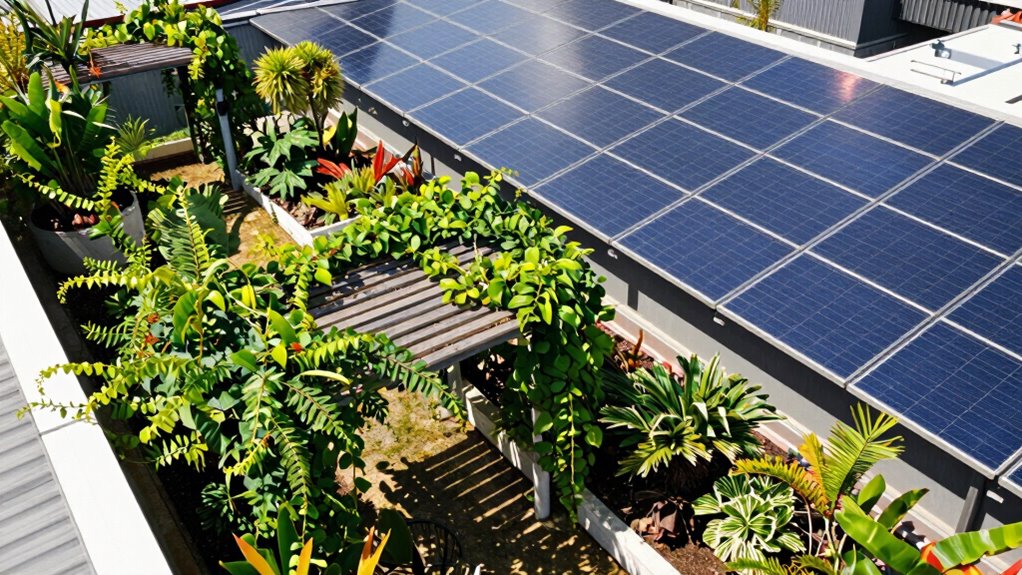
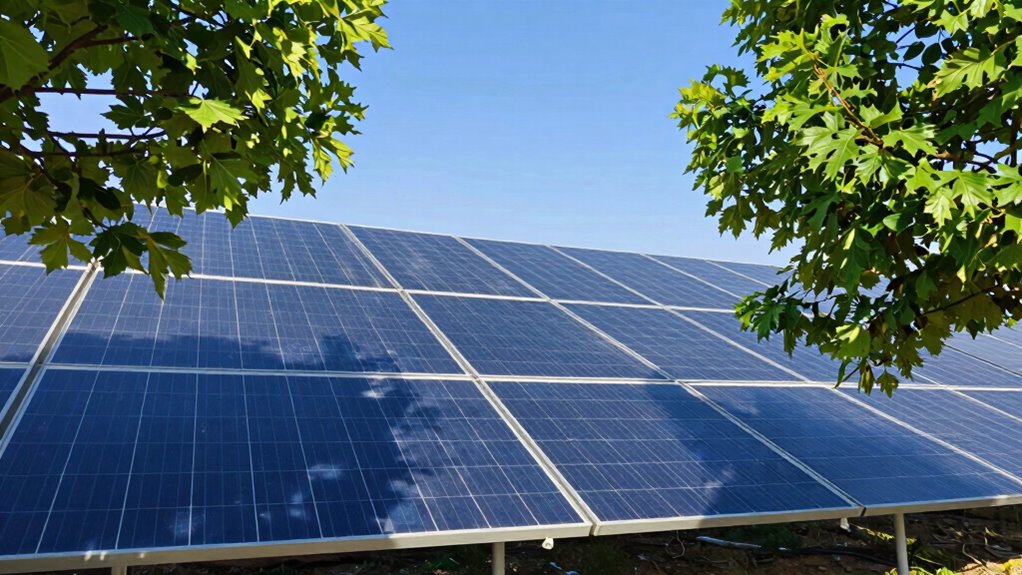
Shade plays an essential role in influencing the performance of solar panels, often determining how much energy they can generate. When your panels are shaded, even partially, their solar panel efficiency drops noticeably. This happens because sunlight is necessary for conversion into electricity, and when shadows block the sun’s rays, the energy production diminishes. You might notice a sudden dip in your energy output during cloudy days or when trees and nearby structures cast shadows over your panels. Understanding this impact is key to maximizing your system’s performance.
To combat these issues, implementing effective shade mitigation strategies becomes fundamental. You can start by carefully planning the placement of your solar panels, ensuring they’re installed in areas with minimal shading throughout the day. This might involve trimming back overhanging branches or choosing a higher mounting height to avoid shadows from nearby objects. Additionally, using microinverters or power optimizers can help improve overall system performance. Unlike traditional string inverters, these devices isolate each panel’s output, reducing the negative effects of shading on your entire system. If one panel is shaded, it won’t drag down the rest of your array, helping to maintain higher solar panel efficiency.
Another useful shade mitigation strategy involves installing shading analysis tools before your installation. These tools help you identify potential shadow issues by simulating the sun’s path across different seasons. With this knowledge, you can adjust the tilt and orientation of your panels for maximum sunlight exposure, reducing the impact of shadows. Some homeowners also opt for advanced mounting systems that can be adjusted seasonally to maximize sun exposure and minimize shading effects. Furthermore, understanding the importance of shade and solar performance can guide you in selecting the right equipment and placement strategies to optimize energy output. Regular maintenance and inspection are also indispensable to maintaining solar panel efficiency. Over time, debris, dirt, or snow can create additional shading or reduce the panels’ ability to absorb sunlight. Cleaning panels and trimming nearby foliage ensures that shadows don’t become a persistent problem. Remember, even small shadows can have a disproportionate impact on your energy production, so staying proactive helps guarantee your system operates at peak performance. Proper assessment of shading sources is crucial for designing an effective solar setup that minimizes energy loss. Additionally, understanding the role of solar panel placement can significantly enhance your energy yield by reducing potential shading issues from the outset. Implementing shade analysis tools can provide valuable insights, ensuring your system is optimized for maximum sunlight exposure. Being aware of seasonal shading patterns can also help you plan adjustments over the year for sustained efficiency.
As an affiliate, we earn on qualifying purchases.
Frequently Asked Questions
How Does Shade Affect Solar Panel Efficiency Over Time?
Shade can notably decrease your solar panel efficiency over time. When outdoor obstructions like trees or buildings cast shadows, they hinder sunlight exposure, decreasing energy output. Effective shade management involves trimming trees and positioning panels strategically to minimize shading. Regular maintenance guarantees that outdoor obstructions don’t block sunlight, helping your solar system perform at its best and maintain efficiency throughout its lifespan.
Can Shade Patterns Change Throughout the Year?
Yes, shade patterns can change throughout the year due to seasonal sun shifts and tree growth. As the sun’s angle varies seasonally, some shaded areas may become sunnier, while others may experience more shade. Additionally, tree growth can increase shading over time, especially in spring and summer when trees flourish. You should regularly monitor your solar panels and consider trimming trees or adjusting panel angles to optimize performance year-round.
Do Different Types of Shade Impact Solar Performance Equally?
Different types of shade don’t impact solar performance equally. For example, tall trees cause uneven shading, which reduces efficiency more than a pergola or awning. To maximize your solar panel output, you should prioritize shading prevention with regular solar panel maintenance and trimming vegetation. Keep in mind that even partial shade can profoundly lower energy production, so understanding shade types helps you optimize your system’s performance throughout the year.
How Can I Measure Shade Levels Accurately for My Property?
To measure shade levels accurately, start by observing your property during different times of the day to see how tree canopies and building shadows change. Use a solar pathfinder or shade analysis tools to map out shaded areas precisely. You can also take photos or use smartphone apps designed for solar assessment. These methods help you understand how tree canopies and building shadows impact solar panel placement and performance.
Are There Specific Shading Devices That Improve Solar Efficiency?
Yes, specific shading devices can improve solar efficiency by effectively managing shade mitigation. Adjustable awnings, pergolas, and shade sails allow you to control sunlight exposure, reducing overheating and maximizing solar panel performance. Installing these devices strategically helps optimize your solar system’s efficiency, especially during peak sunlight hours. By selecting the right shading solutions, you enhance solar optimization, ensuring your panels operate at their best while keeping your property cool and comfortable.
As an affiliate, we earn on qualifying purchases.
Conclusion
Understanding shade’s impact on solar panels reveals that shading can reduce energy output by up to 80%, challenging the idea that partial shade is negligible. So, when planning your solar system, consider shade patterns carefully. Don’t let misconceptions diminish your investment in renewable energy. By optimizing panel placement and addressing shading issues early, you can maximize efficiency and savings. Remember, a well-placed panel isn’t just about sunlight—it’s about strategic positioning for lasting performance.
adjustable solar panel mounting system
As an affiliate, we earn on qualifying purchases.
As an affiliate, we earn on qualifying purchases.
As an affiliate, we earn on qualifying purchases.
Columbus Day / Indigenous Peoples' Day Picks
long weekend sales
As an affiliate, we earn on qualifying purchases.