To measure inrush current accurately with a clamp meter, guarantee it’s properly calibrated and set to a high current range. Center and fully close the clamp around the conductor, and start recording just before powering the device. Use peak hold or max functions to capture the brief surge, and repeat measurements for consistency. When you follow these tips, you’ll get reliable results—if you keep exploring, you’ll discover even more effective tricks.

Get backup power and energy gear delivered free — and shop member deals
- Fast, free delivery on millions of items
- Access to Prime Big Deal Days deals on October 6–7
- Prime Video, Amazon Music and more included
Key Takeaways
- Ensure the clamp meter is properly calibrated and set to an appropriate high current range before measurement.
- Use peak hold or min/max functions to capture the maximum inrush current during startup.
- Record data from just before powering on the device to accurately capture the initial surge.
- Clamp around the same conductor consistently and minimize external magnetic interference for reliable readings.
- Repeat measurements multiple times to verify consistency and improve confidence in the inrush current measurement.
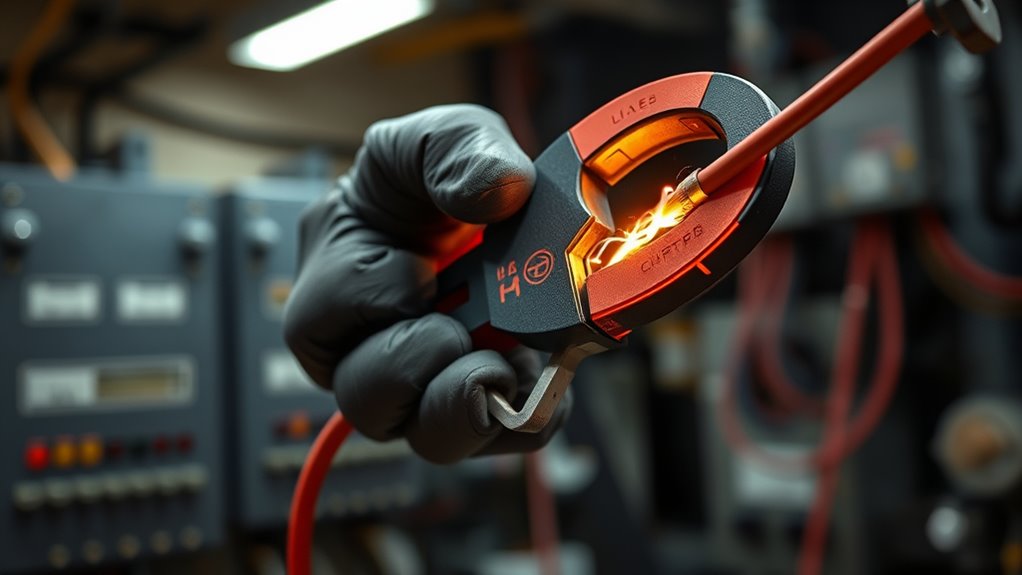
A clamp meter is a versatile tool that can simplify electrical measurements, but knowing a few tricks can make your readings more accurate and efficient. When it comes to measuring inrush current, mastering current measurement techniques is essential. Inrush current refers to the sudden surge of electricity when you power up a device or motor, and accurately capturing it can be tricky. Using a clamp meter for this purpose requires more than just clamping around a wire; you need to understand how to optimize your technique for precise readings. First, verify your clamp meter is properly calibrated. Clamp meter calibration is vital because even small deviations can lead to significant errors, especially when measuring transient events like inrush currents. Regular calibration checks against known reference sources help maintain accuracy, so don’t skip this step.
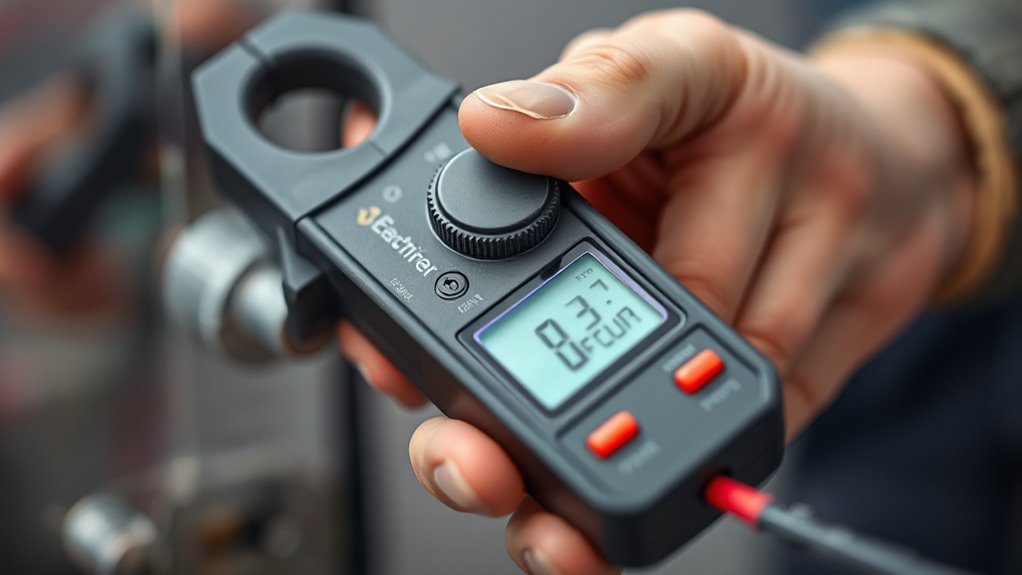
Once your clamp meter is calibrated, you’ll want to focus on the measurement technique itself. To measure inrush current effectively, set your clamp meter to a high current range that exceeds the expected surge. This prevents the meter from clipping or saturating during peak loads. When approaching the wire, make sure the clamp is centered and fully closed around the conductor to eliminate interference from external magnetic fields. For inrush events, it’s best to start recording just before powering up the device. Many clamp meters have a peak hold or min/max recording feature—use this to capture the highest current value during startup. This feature ensures you don’t miss the true inrush spike, which can be brief but critical for diagnosing electrical issues.
Timing also plays an important role. Turn on your equipment and watch the meter closely, especially if it has a fast response time. The initial surge can last only a fraction of a second, so patience and quick reflexes are necessary. If your clamp meter has data logging capabilities, activate them to record the entire startup cycle. This provides a detailed picture of the inrush profile, helping you analyze whether the surge is within acceptable limits or indicates a potential problem. Remember, consistent measurement techniques are key; always clamp around the same conductor and follow the same procedure for comparable readings.
Finally, always double-check your readings by repeating the measurement a few times. Variations can occur due to external influences or slight inconsistencies in technique. Regularly verifying your clamp meter’s calibration ensures your measurements stay accurate over time. By combining proper calibration with refined current measurement techniques, you’ll be able to measure inrush current confidently and avoid guesswork, making your troubleshooting faster and more reliable.
digital clamp meter for inrush current measurement
As an affiliate, we earn on qualifying purchases.
As an affiliate, we earn on qualifying purchases.
Frequently Asked Questions
Can Clamp Meters Measure Inrush Current on DC Circuits?
Clamp meters generally can’t measure inrush current on DC circuits due to their design limitations. They excel in AC measurement because they detect changing magnetic fields, but DC measurement requires different techniques. For accurate DC inrush readings, you’ll need specialized tools like a shunt resistor or a DC-specific clamp meter. Remember, clamp limitations mean you can’t rely solely on clamp meters for DC inrush, so choose your tools accordingly.
What Safety Precautions Are Necessary When Measuring Inrush Current?
When measuring inrush current, always wear personal protective equipment like insulated gloves and safety glasses to protect against accidental arcs. Make certain the equipment is properly grounded to prevent shocks—imagine testing a large motor; if grounding isn’t secured, you risk electrical hazards. For example, in a factory setting, following strict safety protocols prevented injuries during inrush current testing. Always double-check your setup before making contact to stay safe.
How Does Temperature Affect Inrush Current Measurements?
Temperature impacts inrush current measurements through thermal effects, which can alter the magnetization of the clamp meter’s core, leading to inaccurate readings. As temperature fluctuates, calibration challenges arise because device sensitivity shifts, affecting precision. To verify accurate measurements, you should perform measurements in a stable temperature environment and regularly calibrate your clamp meter, accounting for thermal effects that influence inrush current readings.
Are There Specific Clamp Meter Models Better for Inrush Testing?
You should look for clamp meters with features like high current range, fast response time, and true RMS measurement for accurate inrush testing. When selecting a model, consider your specific needs; some models are designed explicitly for inrush current measurement, offering specialized functions. Comparing different clamp meter models helps make certain you select one with the right features, reliability, and ease of use for precise inrush measurements.
How Accurate Are Clamp Meters Compared to Specialized Inrush Current Testers?
Clamp meters generally offer good measurement accuracy for inrush current, but they can be less precise than specialized inrush testers. Your accuracy depends on proper instrument calibration and the quality of the clamp meter. For critical measurements, make sure your meter is well-calibrated and designed for transient inrush events. While clamp meters are convenient, for precise results, especially in professional settings, dedicated inrush testers are often more reliable.
high current clamp meter with peak hold
As an affiliate, we earn on qualifying purchases.
As an affiliate, we earn on qualifying purchases.
Conclusion
Now that you’ve mastered these clamp meter tricks, measuring inrush current becomes a breeze—no more guessing games. Remember, just like a seasoned pirate reading the stars, you can navigate electrical mysteries with confidence. With these tips, you’ll handle tricky measurements with the finesse of a well-wielded cutlass, ensuring precision and safety every time. So go ahead, access your inner electrician and make every reading count—history may call it old-fashioned, but these skills are timeless.
electrical inrush current tester
As an affiliate, we earn on qualifying purchases.
As an affiliate, we earn on qualifying purchases.
As an affiliate, we earn on qualifying purchases.
Fall Picks
fall essentials
As an affiliate, we earn on qualifying purchases.