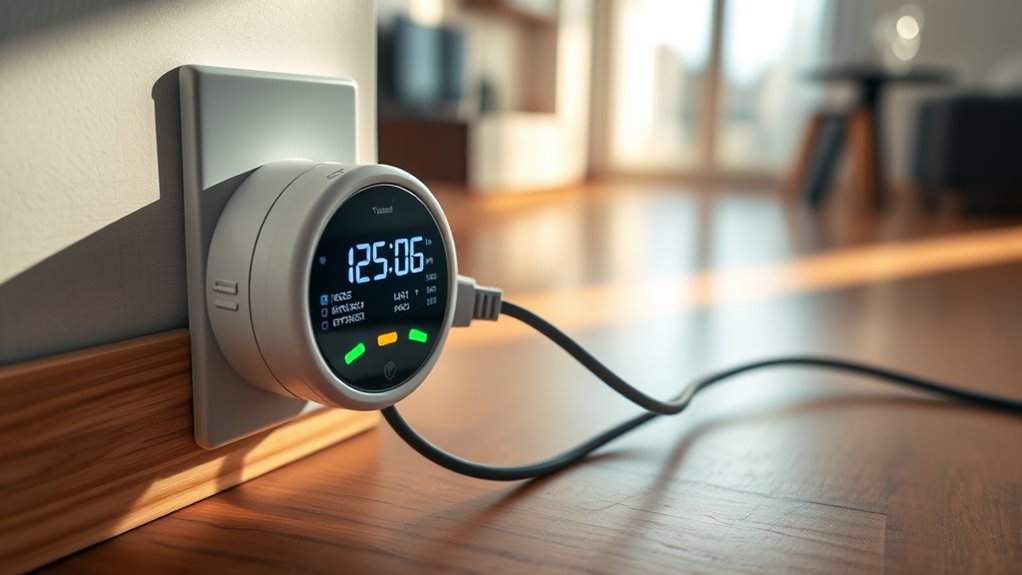
When recording energy use with a plug-in meter, watch for devices with unexpectedly high consumption, especially those in standby mode or older models. Monitor peak hours to identify when appliances draw the most power, and note any hidden draw from chargers or entertainment systems. Keep an eye on your large appliances like refrigerators or heaters to see when they use the most energy. Continuing will help you understand which devices to prioritize for savings and efficiency.

Get backup power and energy gear delivered free — and shop member deals
- Fast, free delivery on millions of items
- Access to Prime Big Deal Days deals on October 6–7
- Prime Video, Amazon Music and more included
Key Takeaways
- Ensure the meter is properly connected between the outlet and the device for accurate readings.
- Record energy consumption during different periods, especially peak and off-peak times.
- Monitor standby power usage to identify devices that draw power when idle.
- Track consumption of high-energy appliances to prioritize upgrades or usage adjustments.
- Keep a log over days or weeks to analyze patterns and identify opportunities for energy savings.
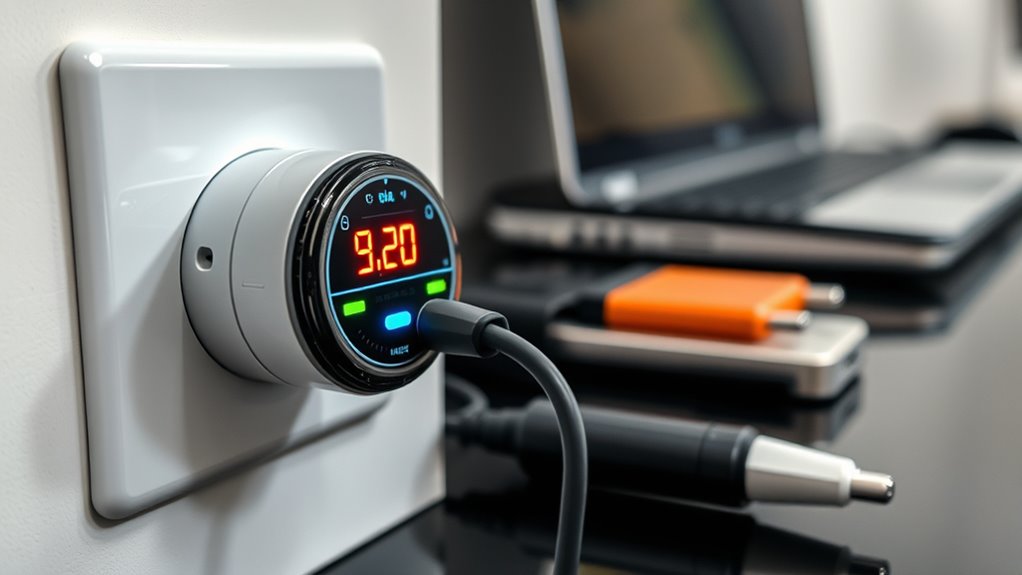
If you want to track your energy consumption accurately, a plug-in meter is your best tool. This small device allows you to see exactly how much power your appliances use, helping you identify opportunities to improve energy efficiency and save money. By monitoring your energy usage in real-time, you gain valuable insights into which devices are the biggest culprits of high consumption. This knowledge empowers you to make smarter decisions about when and how you run your appliances, ultimately reducing unnecessary energy waste. Understanding energy consumption patterns through a plug-in meter can also reveal hidden costs that might otherwise go unnoticed. When you use a plug-in meter, you’ll notice that some appliances draw more power than you’d expect, especially when they’re in standby mode. For example, chargers, entertainment systems, and old appliances can consume a surprising amount of energy even when not actively in use. Recognizing these patterns allows you to implement simple habits, like unplugging devices when they’re not needed or switching to energy-efficient models. Over time, these small changes can lead to significant cost savings on your utility bills, making the investment in a plug-in meter well worth it. Additionally, tracking energy consumption with a plug-in meter helps you prioritize upgrades. If you find that an older refrigerator or heating unit is using an excessive amount of power, replacing it with an energy-efficient model can improve your home’s overall energy efficiency. This not only reduces your utility bills but also reduces your carbon footprint. The immediate feedback from the meter makes it easier to compare the energy use of different devices, guiding you toward more sustainable choices. Using a plug-in meter also encourages you to set goals for energy reduction. For example, you might aim to cut down the usage of high-energy appliances during peak hours or limit their operation altogether. By consistently monitoring, you stay aware of your energy habits and can adjust them accordingly. This proactive approach leads to consistent cost savings over time and helps you become more conscious of your energy footprint.
As an affiliate, we earn on qualifying purchases.
Frequently Asked Questions
Can a Plug-In Meter Measure Energy Efficiency?
Yes, a plug-in meter can help you measure energy efficiency by showing how much power your appliances use. To get accurate readings, follow energy-saving tips like unplugging devices when not in use and ensuring appliance compatibility with the meter. This way, you can identify energy hogs, reduce waste, and save money. Using a meter makes it easier to track your home’s overall energy performance and make informed improvements.
How Accurate Are Plug-In Energy Meters?
Plug-in energy meters are generally quite accurate for power measurement, typically within 5% tolerance. However, their accuracy depends on device compatibility and calibration. You should verify that the meter matches your device’s voltage and current ratings to guarantee precise readings. Regularly check the meter’s calibration and avoid using it with highly inductive loads, as this can affect accuracy. Overall, they offer reliable energy monitoring for everyday use.
Are Plug-In Meters Safe to Use With All Appliances?
Yes, plug-in meters are generally safe to use with most appliances, but you should verify their compatibility first. Some appliances with high power demands or special features might not work well with these meters. Always follow safety considerations like avoiding overloads, ensuring the meter is rated for your appliance’s wattage, and unplugging the device when not in use. This helps prevent damage and ensures accurate readings.
Do Plug-In Meters Track Energy Consumption Over Time?
Did you know that most plug-in meters can track your energy consumption over time? Yes, these devices monitor your usage continuously, helping you identify high-energy appliances and improve your smart home energy conservation efforts. By recording data over days or weeks, you gain insights into your habits, enabling smarter decisions to save money and reduce your carbon footprint. So, yes, a plug-in meter keeps a detailed record of your energy use.
Can a Plug-In Meter Detect Power Surges?
Yes, a plug-in meter can detect power surges by monitoring sudden spikes in energy consumption. While it may not be specialized for power surge detection like dedicated surge protectors, it helps you identify unusual fluctuations that could indicate electrical safety issues. Keep an eye on these spikes to prevent damage to your devices and maintain electrical safety in your home. Regularly checking your meter can help you spot potential problems early.
energy consumption monitor for appliances
As an affiliate, we earn on qualifying purchases.
As an affiliate, we earn on qualifying purchases.
Conclusion
Once you start using a plug-in meter, you’ll see your energy use in a new light—like shining a flashlight into a dark room. I once discovered my coffee maker used more power than my laptop! That eye-opener made me realize small devices can add up fast. Tracking energy helps you save money and reduce waste. So, grab a meter, get curious, and turn your household into an energy-efficient home—small steps lead to big savings.
As an affiliate, we earn on qualifying purchases.
As an affiliate, we earn on qualifying purchases.
Fall Picks
fall essentials
As an affiliate, we earn on qualifying purchases.