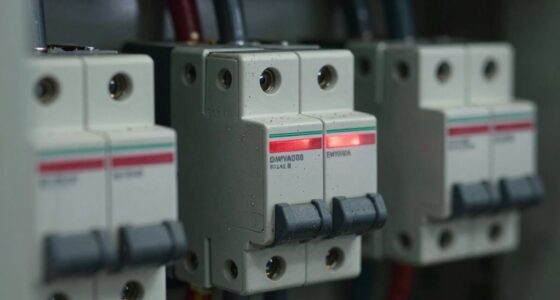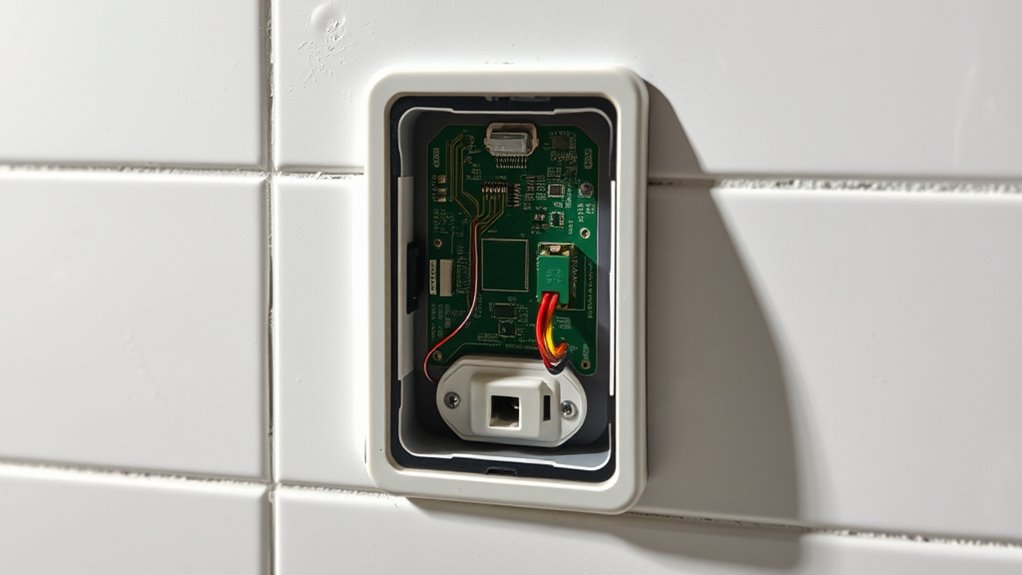

If your GFCI won’t reset, start by unplugging devices and checking for overloads or power issues. Inspect the outlet for signs of damage or corrosion, and verify that wiring is secure and correct. Moisture could also be causing problems, so improve ventilation or use dehumidifiers. Testing with a multimeter or specialized tester can identify hidden faults. If issues persist, professional help can confirm safety—continue exploring the steps to fix your GFCI.

Get backup power and energy gear delivered free with Prime
- Fast, free delivery on millions of items
- Prime Video, Amazon Music and more included
- Member-only deals all year
Key Takeaways
- Check for external power issues or circuit overloads and reduce load or use surge protectors.
- Inspect wiring for damage, loose connections, or corrosion; replace or tighten as needed.
- Ensure proper grounding and verify internal components are intact and functioning correctly.
- Address moisture buildup with ventilation, dehumidifiers, and moisture sensors to prevent water-related faults.
- Perform tests with a GFCI tester or multimeter; seek professional help if resets still fail or signs of damage appear.
As an affiliate, we earn on qualifying purchases.
Checking for Overloads and External Power Issues
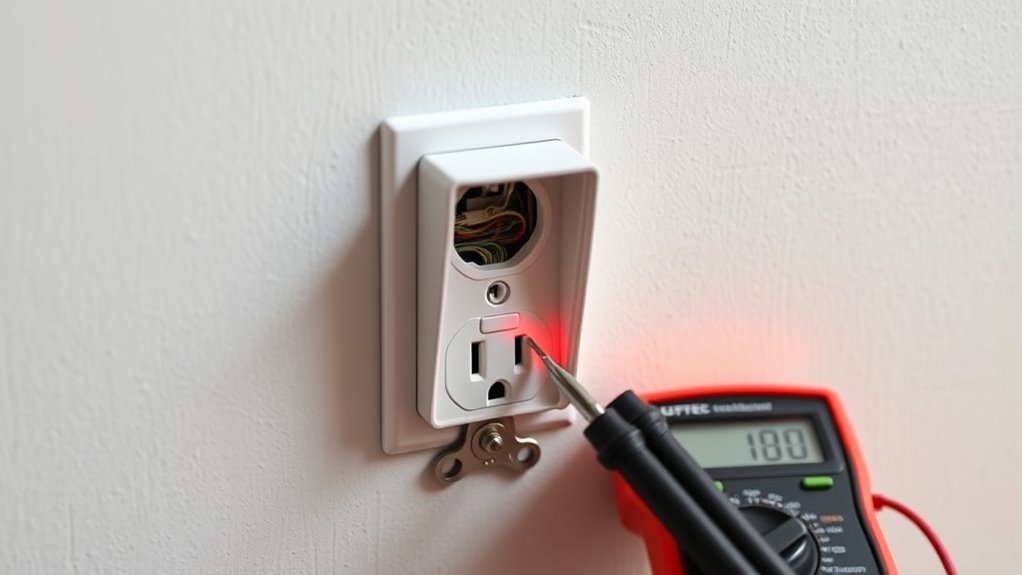
If your GFCI won’t reset, the first step is to check for overloads or external power issues. Power surges can trip your GFCI, especially if they occur suddenly or are severe, disrupting normal operation. Circuit overloads are another common culprit; too many devices drawing power on the same circuit can cause it to trip repeatedly, preventing reset. Turn off all devices connected to the circuit and unplug unnecessary appliances. Then, reset the GFCI. If it still won’t reset, try plugging in a simple device like a lamp to test if power is reaching the outlet. Sometimes, external power issues like fluctuations or surges can weaken the GFCI’s ability to reset. Addressing these problems might involve reducing load or installing surge protectors to prevent future issues. Additionally, proper installation of the GFCI is crucial to ensure it functions correctly and safely over time. Ensuring correct wiring can prevent many common reset problems and enhance safety. Verifying the electrical connections can help identify underlying issues that might be causing the GFCI to trip or fail to reset.
As an affiliate, we earn on qualifying purchases.
Inspecting and Replacing the GFCI Outlet
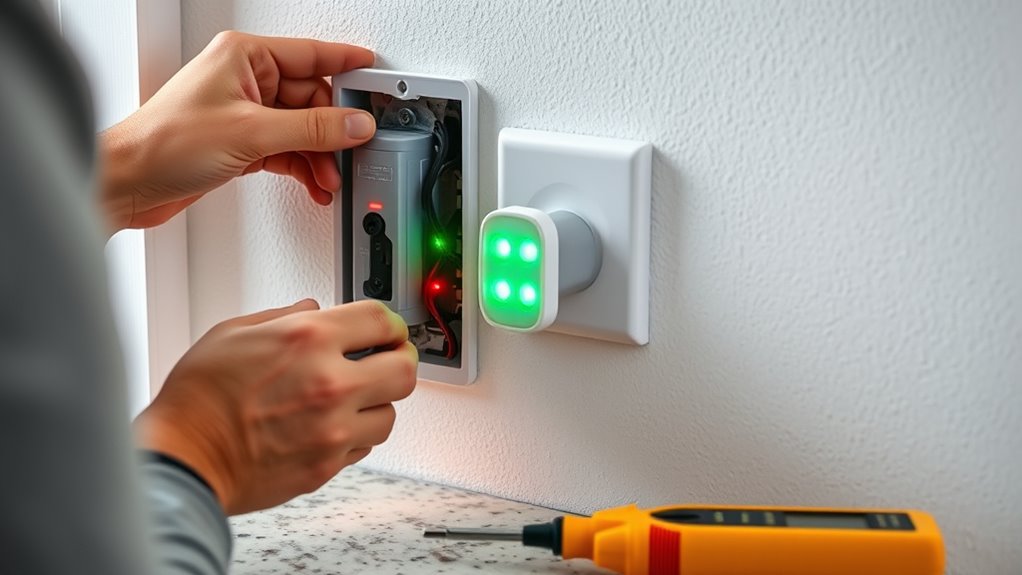
When troubleshooting a GFCI that won’t reset, inspecting the outlet itself is a logical next step. First, check the outlet’s color; if it’s discolored or scorched, it may indicate internal damage. Examine the existing outlet for signs of corrosion or wear, which can cause reset issues. Ensure the GFCI outlet matches your circuit’s compatibility; using an incompatible model might prevent resetting. Turn off power at the breaker before replacing the outlet. Remove the cover plate and carefully disconnect the wires, noting their connections. Install a new GFCI outlet that matches your circuit’s specifications and color for a proper fit. Confirm all connections are secure, then restore power and test the reset function. Proper inspection and replacement restore safety and functionality. Additionally, verifying that the outlet’s ground connection is intact can prevent reset problems. It’s also helpful to understand the internal mechanisms of GFCI outlets, as knowing how they work can assist in diagnosing issues more effectively. Being familiar with electrical safety practices during installation can help prevent further problems. Understanding the testing procedures for GFCI outlets can also ensure the device functions correctly after replacement. Consulting manufacturer troubleshooting guides can provide specific insights tailored to different models and issues.
As an affiliate, we earn on qualifying purchases.
Diagnosing Wiring Problems and Loose Connections
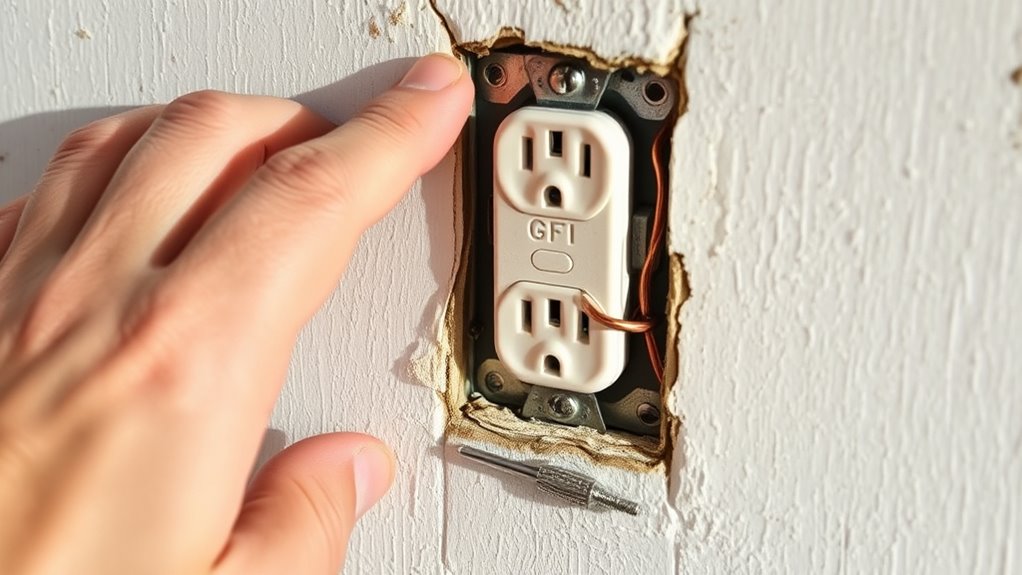
Loose wiring and faulty connections are common culprits when a GFCI won’t reset. Start by turning off the power and carefully inspecting the wiring. Look for loose or disconnected wires, especially at the terminal screws. Check wiring colors—white wires are neutral, black or red are hot, and green or bare copper are ground. Grounding issues can cause the GFCI to malfunction, so ensure the ground wire is properly connected to the grounding terminal. Tighten any loose connections securely, but avoid overtightening, which can damage wires. If you notice damaged or frayed wiring, replace it before testing again. Properly connected and secure wiring is essential for the GFCI to reset correctly and function safely. Additionally, reviewing the wiring setup can help identify underlying issues that might be affecting the GFCI’s operation. Ensuring that the wiring is free from corrosion or debris can also improve the connection and prevent reset issues. Confirming proper grounding is crucial, as grounding problems are a common cause of GFCI malfunctions.
multimeter for electrical testing
As an affiliate, we earn on qualifying purchases.
As an affiliate, we earn on qualifying purchases.
Addressing Moisture and Environmental Factors
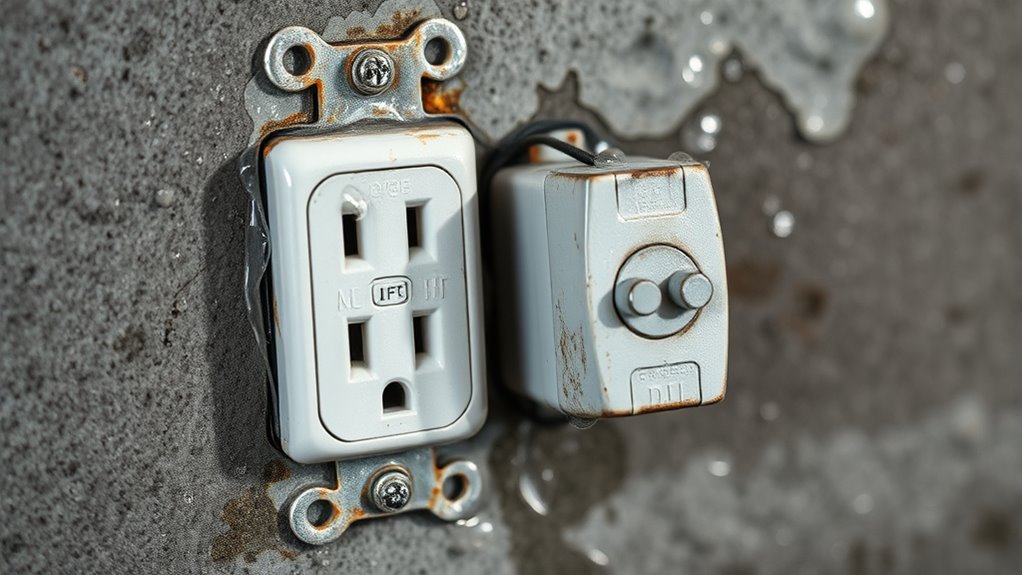
Moisture buildup can cause GFCIs to trip or fail to reset, especially in damp environments. Ensuring proper ventilation helps reduce humidity and prevents water from seeping into electrical components. proper ventilation is especially important in areas like basements or outdoor structures where moisture tends to accumulate. Using dehumidifiers can further help control moisture levels and protect your electrical system. Additionally, understanding home safety considerations can help prevent electrical hazards related to moisture issues. Installing moisture sensors can provide early warnings of excess humidity before it affects your electrical system. Keeping an eye on building codes can also ensure your electrical setup remains compliant and safe in moist conditions.
Moisture Accumulation Effects
Excess moisture buildup around your GFCI outlet can cause it to malfunction and refuse to reset. Moisture effects, like condensation or spills, can lead to corrosion and short circuits, worsening environmental impact on the device. To understand how moisture impacts your outlet, consider this table:
| Situation | Effect |
|---|---|
| Humid outdoor areas | Increased corrosion |
| Nearby water sources | Moisture seeping inside |
| Improper sealing | Water entry during rain |
| Wet hands or spills | Short circuits and malfunctions |
These factors highlight how environmental conditions influence GFCI performance. Keeping the area dry prevents moisture effects from compromising the outlet, ensuring it functions reliably and resets properly.
Proper Ventilation Strategies
Implementing proper ventilation strategies around your GFCI outlets helps prevent moisture buildup and environmental damage. Good air circulation is essential, as it reduces humidity levels that can cause corrosion or electrical faults. Make certain vents are unobstructed and consider installing exhaust fans in high-humidity areas like bathrooms or basements. Using dehumidifiers also helps control humidity, keeping the environment dry and less prone to moisture-related issues. Regularly inspect vents and fans to confirm they’re functioning properly. Proper ventilation practices and humidity control, such as installing exhaust fans, are crucial in preventing moisture infiltration that can trip or prevent your GFCI from resetting. By promoting air circulation and humidity management, you reduce the risk of moisture infiltration that can trip or prevent your GFCI from resetting. Proper ventilation not only safeguards your electrical system but also extends the lifespan of your outlets and connected devices. Additionally, understanding Gold IRA options can diversify your investment portfolio and provide long-term financial security. To further enhance your system’s resilience, consider incorporating moisture-resistant outlets and ensuring they are rated for high-humidity environments. Proper maintenance routines also help identify potential issues before they cause outages, further protecting your electrical setup.
Testing for Ground Faults and Hidden Leaks
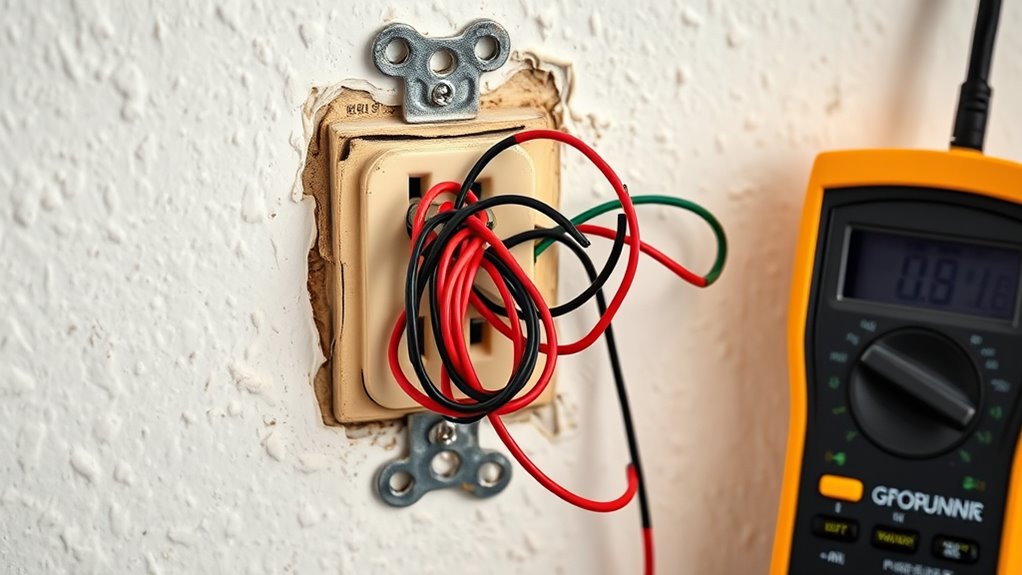
To troubleshoot a GFCI that won’t reset, you need to check for ground faults and hidden leaks. You’ll want to identify any wiring issues or moisture problems that could be causing the trouble. Using proper testing methods helps verify you find the root cause quickly and safely. Additionally, understanding ground fault detection can be beneficial for long-term financial planning in case you’re considering alternative investment options for stability. Regular maintenance and inspection of your electrical components can also prevent future issues and ensure safe operation. Being aware of electrical system components can provide a more comprehensive approach to diagnosing and resolving the problem. Monitoring celebrity lifestyle insights might seem unrelated but can inspire innovative ideas for creating a safe and resilient home environment. Incorporating sustainable materials into your electrical upgrades can also contribute to eco-friendly home improvements.
Detecting Ground Faults
Detecting ground faults is vital to guarantee your GFCI outlet functions properly and keeps you safe. To do this, you need effective ground fault detection methods, starting with outlet testing. Use a GFCI tester or a multimeter to check if your outlet trips when tested. Plugging a test device into the outlet can reveal if it’s responding correctly. If the GFCI doesn’t trip during outlet testing, it may mean it’s not detecting ground faults properly. Also, look for signs of damage or corrosion around the outlet. Regular testing helps catch hidden issues early and ensures your GFCI provides the protection it’s designed for. Proper air quality monitoring can also help identify potential electrical hazards related to moisture or pollutants. Remember, prompt detection of ground faults can prevent electrical shocks and potential fires.
Identifying Hidden Leaks
Hidden leaks can quietly cause ground faults that a standard GFCI might not detect immediately. These leaks often develop in hidden or hard-to-access areas, making ground fault detection challenging. To identify them, you need to look for signs like subtle shocks, persistent tripping, or unusual moisture around outlets and appliances. Use a specialized ground fault tester or multimeter to check for leaks between hot and ground wires, especially in hidden spaces. Regular inspections help prevent ongoing damage and improve leak prevention. By proactively testing for hidden leaks, you can catch potential issues early before they lead to more significant problems or GFCI failures. Staying vigilant about ground fault detection ensures your system remains safe and reliable.
Proper Testing Methods
Effective testing methods are essential for uncovering ground faults and hidden leaks that might otherwise go unnoticed. To guarantee proper ground fault detection, start by unplugging devices and resetting the GFCI. Use a circuit tester or multimeter to verify if the outlet is properly wired and functioning. Conduct outlet troubleshooting by testing the GFCI with its test and reset buttons, then check for voltage at the outlet terminals. If the GFCI still won’t reset, try plugging in a simple device to see if it trips again, indicating a ground fault. You can also perform a “leakage test” using specialized testers designed for detecting hidden leaks. These methods help identify issues before replacing the outlet or calling an electrician, ensuring safer, more reliable electrical performance.
When to Call a Professional Electrician

If your GFCI won’t reset after multiple attempts, it’s time to call a professional electrician. Faulty GFCIs can signal underlying issues like electrical code violations or incompatible appliances that need expert assessment. You should contact an electrician if you notice:
If your GFCI repeatedly trips, consult a licensed electrician for safety and proper repair.
- Persistent tripping despite proper testing
- Signs of damage or corrosion on the outlet
- Unusual buzzing or burning smell
- Issues with appliance compatibility or wiring
A licensed electrician will evaluate whether the circuit meets electrical codes and ensure the GFCI is installed correctly. They can also check for hidden problems that could pose safety risks. Trying to fix complex electrical issues yourself may lead to further damage or hazards, so don’t hesitate to seek professional help.
Frequently Asked Questions
Can a Tripped GFCI Cause Other Outlets to Malfunction?
Yes, a tripped GFCI can cause other outlets to malfunction because it’s designed to protect against ground faults that might cause electrical shock. When it trips, it cuts off power to prevent shock hazards, which can affect multiple outlets on the same circuit. If the GFCI won’t reset, the ground fault might be persistent, requiring you to identify and fix the source to restore proper function and guarantee safety.
How Often Should GFCI Outlets Be Tested for Safety?
Think of your GFCI like a vigilant guard at your home’s entrance. You should test it monthly to verify it’s ready for duty, especially after a ground fault or trip. Press the test button, then reset to confirm it works properly. Regular testing keeps your circuit breaker and outlets safe, preventing dangerous shocks. Staying proactive with GFCI checks helps protect your family and maintains your electrical system’s integrity.
Are There Specific Signs Indicating a GFCI Needs Replacement?
You should replace a GFCI if you notice signs like wear and tear, corrosion buildup, or if it trips frequently without a clear reason. Physical damage, discoloration, or a burning smell also indicate it’s time for a replacement. These issues compromise safety and performance, so don’t delay. Regular testing helps catch problems early, but visual inspections are key to spotting when a GFCI is past its prime.
Can Using Extension Cords Affect GFCI Performance?
Did you know that extension cord hazards cause over 3,300 injuries annually? Using extension cords can impact GFCI performance, as they may cause electrical overloads or introduce moisture, leading to false trips or damage. This can shorten the GFCI lifespan and compromise safety. Always guarantee cords are properly rated, avoid daisy-chaining, and limit their use to protect your GFCI and prevent potential hazards.
What Are the Environmental Conditions That Can Damage GFCI Outlets?
Environmental conditions like moisture exposure and corrosive environments can damage GFCI outlets. Moisture causes internal components to corrode, leading to malfunctions or failure. Corrosive environments, such as salt air near coastal areas or chemical fumes, accelerate deterioration of the outlet’s contacts and wiring. To keep your GFCI working properly, guarantee it’s installed in dry areas and consider protective covers in harsh settings. Regular inspections help catch damage early.
Conclusion
If your GFCI still won’t reset after trying these fixes, don’t hesitate to call a professional. Remember, electrical issues cause over 50,000 home fires annually, so safety isn’t worth risking. Regularly inspecting your outlets and addressing problems early can prevent costly damages and keep your home safe. Staying proactive with electrical safety can save lives—so when in doubt, trust the experts to handle complex repairs.
Fall Picks
fall essentials
As an affiliate, we earn on qualifying purchases.