If your receptacle tester shows a hot/neutral reversal, turn off the power at the circuit breaker to prevent shocks. Check the wiring inside the outlet, ensuring the hot wire (black or red) is on the brass terminal and the neutral (white) on the silver terminal. If you’re unsure or uncomfortable, it’s safest to call a professional electrician. Addressing the issue promptly helps protect your home and stay compliant; find out how to fix it properly.

Get backup power and energy gear delivered free with Prime
- Fast, free delivery on millions of items
- Prime Video, Amazon Music and more included
- Member-only deals all year
Key Takeaways
- Turn off power at the circuit breaker before inspecting or working on the outlet.
- Remove the outlet cover and verify wiring connections if comfortable and qualified.
- Check that hot (black/red) is on the brass terminal and neutral (white) on the silver terminal.
- Contact a licensed electrician to diagnose and correct wiring or grounding issues.
- Ensure all wiring complies with local electrical codes to maintain safety and legality.

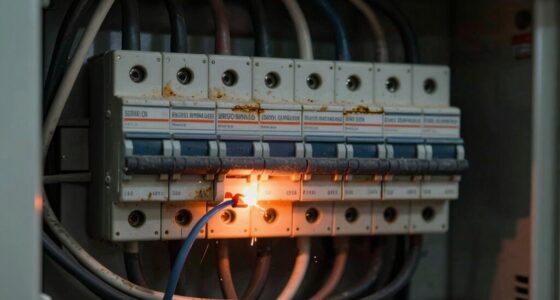
If your receptacle tester indicates that the hot and neutral wires are reversed, it’s a sign that something’s wrong with your electrical wiring. This issue can lead to serious safety concerns, so it’s essential to address it promptly. Reversed wiring often points to grounding issues or mistakes made during installation, which can compromise both your safety and your home’s adherence to electrical code compliance. The first step is never to ignore the warning—assuming everything is fine could result in electrical shocks, equipment damage, or fire hazards.
Reversed hot and neutral wiring signals serious safety and code compliance issues. Address promptly to prevent hazards.
To start, you should turn off power to the affected outlet at your circuit breaker. Once the power’s off, remove the outlet cover and carefully inspect the wiring. If you’re comfortable working with electricity, verify that the hot wire (usually black or red) is connected to the brass terminal and the neutral (white) wire to the silver terminal. In some cases, the wiring may be reversed, which can cause your tester to signal an error. If you’re unsure or uncomfortable, it’s best to call a licensed electrician. They can quickly diagnose whether the issue stems from a simple wiring mistake or a grounding problem. Proper grounding is essential not only for safety but also to ensure your wiring meets local electrical codes.
Grounding issues are common culprits behind reversed wiring signals. When the grounding wire is loose, disconnected, or improperly installed, it can interfere with the normal flow of electricity, causing the tester to show reversed hot and neutral. An electrician can check the grounding system thoroughly, ensuring all connections are secure and compliant with code requirements. Proper grounding helps prevent electrical shocks and protects your devices from surges, so it’s a critical aspect of safe wiring practices. Additionally, understanding vetted electrical components such as wave and wind is important when evaluating system safety, especially in outdoor or renewable energy setups.
Addressing reversed wiring also involves checking for code compliance. Electrical codes specify how wiring must be installed and grounded to ensure safety. If your wiring doesn’t meet these standards, it could be a hazard, and you might face legal or insurance issues in the future. An electrician will not only correct the wiring but also verify that everything meets local electrical codes. This step guarantees your electrical system is safe, reliable, and compliant, reducing the risk of future issues.
As an affiliate, we earn on qualifying purchases.
Frequently Asked Questions
Can I Fix a Reversed Hot/Neutral Outlet Myself?
Yes, you can fix a reversed hot/neutral outlet yourself if you’re comfortable working with electricity. Turn off the power at the breaker, then carefully reattach the wires to match the electrical code—hot to brass, neutral to silver. Be mindful of grounding issues, ensuring the ground wire is properly connected. If you’re unsure, it’s best to consult a professional, as incorrect wiring can cause safety hazards or violate electrical code.
What Tools Are Needed to Correct a Reversed Outlet?
Think of fixing a reversed outlet as restoring harmony in a symphony. You’ll need a screwdriver, a voltage tester, and possibly wire strippers to guarantee circuit safety and proper wiring codes. Turn off the power, remove the outlet, identify the wiring, and carefully switch the hot and neutral wires. With patience and the right tools, you restore the electrical melody, keeping your home safe and compliant.
Is a Reversed Outlet Dangerous to Use Temporarily?
Using a reversed outlet temporarily isn’t safe because it can cause a ground fault, risking electric shock or fire. The wiring color, usually black for hot and white for neutral, helps identify proper connections. If you notice reversed wiring, avoid plugging in devices until you’ve corrected the wiring. Always turn off power at the breaker, verify wiring, and consult a professional if you’re unsure. Safety comes first.
How Can I Prevent Future Wiring Errors?
To prevent future wiring errors, always follow proper wiring color codes and double-check connections before powering up. Make certain grounding issues are addressed by verifying that ground wires are securely connected to grounding terminals. Use a reliable circuit tester or multimeter to confirm correct wiring. If unsure, consult a professional electrician to inspect your work. Regularly inspecting outlets helps catch mistakes early, keeping your home safe and compliant with electrical standards.
When Should I Call a Professional Electrician?
You should call a professional electrician whenever you notice wiring errors like hot/neutral reversal, especially if you’re unsure about DIY safety or wiring standards. Attempting to fix complex electrical issues without proper knowledge can be hazardous. An electrician ensures the work meets safety codes, prevents future problems, and keeps your home safe. Don’t risk electrical hazards—trust a licensed expert to handle wiring corrections and maintain proper standards.
receptacle tester with hot neutral reversal detection
As an affiliate, we earn on qualifying purchases.
As an affiliate, we earn on qualifying purchases.
Conclusion
When your receptacle tester shows “hot/neutral reversed,” don’t ignore it. Turn off the power and double-check your wiring or call a professional electrician. Remember, a stitch in time saves nine—addressing wiring issues now prevents bigger problems later. Safety always comes first, so don’t take shortcuts. Fixing this early keeps your home safe and your mind at ease. Better safe than sorry, after all!
As an affiliate, we earn on qualifying purchases.
electrical circuit breaker lockout
As an affiliate, we earn on qualifying purchases.
As an affiliate, we earn on qualifying purchases.
Halloween Picks
halloween
As an affiliate, we earn on qualifying purchases.