
If your breaker feels hot, it likely means there’s an overload, loose connection, or internal fault causing excessive resistance and heat buildup. This can happen when you’re drawing too much power or if the breaker is worn out or malfunctioning. Overheating can cause serious safety issues like shorts or fires, so it’s important to address this promptly. Keep in mind, understanding the causes can help you spot risks early, and there’s more to learn about keeping your system safe.
Key Takeaways
- A hot breaker often indicates an overload or excessive current flow in the circuit.
- Malfunctioning or worn-out breakers can generate heat even without overload.
- Loose connections or corrosion increase electrical resistance, causing the breaker to overheat.
- Repeated overloads weaken the breaker, risking failure to trip during faults.
- Regular inspection and prompt replacement of faulty breakers are essential for safety.

Have you noticed your breaker feeling unusually hot lately? If so, it’s a sign you shouldn’t ignore. A hot breaker isn’t just uncomfortable to touch—it’s a warning that something isn’t right with your electrical system. When a breaker feels hot, it usually indicates a breaker overload or an issue with circuit protection. Your electrical system is designed to handle specific loads, and when those loads exceed what the breaker can safely manage, it causes the breaker to heat up. This overheating can be dangerous because it increases the risk of electrical faults, short circuits, or even fires if left unaddressed.
Breaker overload is one of the most common reasons a breaker gets hot. Overload occurs when too many devices or appliances draw power through a single circuit, surpassing the breaker’s rated capacity. For example, plugging in multiple high-energy appliances into one outlet or circuit can cause excessive current flow. As the breaker tries to protect the circuit by interrupting the flow of electricity, it heats up due to the increased electrical resistance. Over time, repeated overloads can weaken the breaker, making it less effective at circuit protection and increasing the likelihood of failure or failure to trip when needed.
Another factor to contemplate is a malfunction within the breaker itself. Sometimes, a breaker can become faulty or worn out, leading to poor contact or internal damage. Such issues can cause the breaker to generate heat even without an overload because the internal components aren’t functioning properly. This can be tricky because a breaker that’s heating up due to internal faults may not trip as it should, putting your home at risk. If you notice your breaker feeling hot consistently, it’s essential to have it inspected and replaced if necessary. Proper circuit protection relies on a functioning breaker that can detect overloads and trip promptly, preventing damage and potential hazards.
It’s also vital to recognize that hot breakers can sometimes be caused by loose connections or corrosion at the breaker or wiring. Loose connections generate resistance, which produces heat. Corrosion can impede proper electrical flow, leading to overheating as well. These issues can be fixed by a qualified electrician who can tighten connections or replace corroded components, restoring safety and proper circuit protection. Additionally, understanding electrical system fundamentals can help homeowners identify early signs of problems before they become hazardous.

KAIWEETS Circuit Breaker Finder with LCD Display, GFCI Outlet Tester, Electrical Circuit Tracer Tool with NCV Test & Flashlight, Includes Carrying Case and Adapters- KT301P
- All-in-One Circuit Diagnosis: Locates breakers, tests outlets and GFCI
- Large LCD with Backlight: Displays voltage, wiring status, and signal strength
- GFCI Outlet Tester: Tests GFCI protection with LED indicators
As an affiliate, we earn on qualifying purchases.
As an affiliate, we earn on qualifying purchases.
Frequently Asked Questions
Can a Hot Breaker Cause Electrical Fires?
Yes, a hot breaker can cause electrical fires if not properly maintained. When a breaker feels hot, it indicates potential overloads or faulty wiring, which can lead to overheating and fires. Regular breaker maintenance is vital for electrical safety, helping prevent such hazards. If you notice a hot breaker, it’s necessary to turn off the power and call an electrician promptly to inspect and fix the issue.
How Long Does It Take for a Breaker to Cool Down?
It usually takes about 15 to 30 minutes for a breaker to cool down after it feels hot, but this depends on the breaker’s size and the surrounding environment. Regular breaker maintenance and thermal analysis help prevent overheating issues. If a breaker remains hot for an extended period, it’s a sign you should check for underlying problems, ensuring safe operation and avoiding potential electrical fires.
Is It Safe to Reset a Breaker That Feels Hot?
No, it’s not safe to reset a breaker that feels hot. That overheating could be a sign of serious electrical issues, risking a fire or damage. Your breaker safety depends on preventing overheating, so if it’s hot to the touch, give it time to cool and investigate the cause, like overloaded circuits or faulty wiring. Always prioritize safety to avoid catastrophic electrical failures.
What Tools Are Best for Testing a Hot Breaker?
You should use a non-contact voltage tester or a digital multimeter to test a hot breaker safely. These tools help with breaker safety during electrical troubleshooting by accurately detecting voltage without direct contact. Always turn off the power before testing, and wear insulated gloves. Proper testing guarantees you identify if the breaker is live or faulty, preventing electrical hazards and ensuring safe handling during repairs or inspections.
How Often Should Circuit Breakers Be Inspected for Overheating?
You should inspect your circuit breakers for overheating signs during regular breaker maintenance, ideally every 6 to 12 months. Look for signs like discoloration, a hot surface, or a burning smell. Frequent checks help catch issues early, preventing potential failures or fires. If you notice any signs of overheating, address them immediately by replacing or servicing the breaker to guarantee safety and proper functioning.

Ceoighe 4 Pack Vacuum Breaker Repair Kit Replacement for VACVBKX1B Heavy Duty Metal Vacuum Breaker Replacement Kit for Traditional Anti Siphon Frost Free Sillcock Valves Anti Siphon Valve Repair
- Material: Made of durable stainless steel
- Compatibility: Fits standard anti-siphon valves
- Complete Kit: Includes brass cap, plastic body, plunger, O-ring, and seal
As an affiliate, we earn on qualifying purchases.
As an affiliate, we earn on qualifying purchases.
Conclusion
So, if your breaker feels a bit warm, it’s probably just doing its job quietly behind the scenes. Think of it as your home’s gentle guardian, handling the load with a bit of warmth as a sign of effort. However, if it feels unusually hot or you notice a smell, don’t hesitate to give it some attention. A little care now keeps everything running smoothly, so you can relax and enjoy your cozy space without worry.
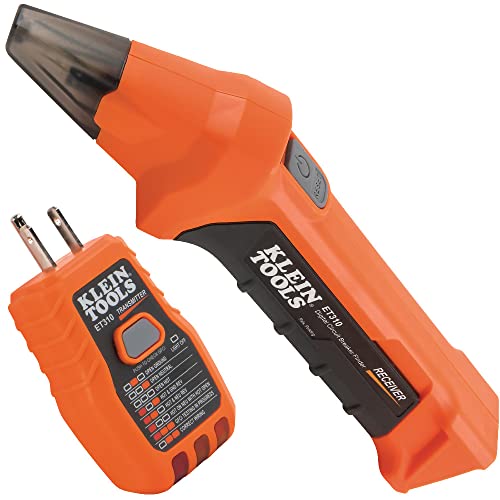
Klein Tools ET310 AC Circuit Breaker Finder, Electric and Voltage Tester with Integrated GFCI Outlet Tester
- Accurate Breaker Identification: Quickly locate the correct breaker
- Two-Part System: Transmitter and receiver for easy use
- Clear Visual and Audible Cues: Indicates when the correct breaker is found
As an affiliate, we earn on qualifying purchases.
As an affiliate, we earn on qualifying purchases.

WUWEOT 12 Pack Circuit Breaker Lockout Device, 120-277V Clamp-on Electrical Single Pole Breaker, Lockout Tagout Kit Lock Out Device for Less 16 mm Handle, OSHA Compliant
- Package Includes: 12 clamp-on circuit breaker lockouts
- Compatible Switch Size: Fits 5/8-inch by 1/2-inch switches
- Handle Hole Diameter: 19/64-inch shackle hole
As an affiliate, we earn on qualifying purchases.
As an affiliate, we earn on qualifying purchases.