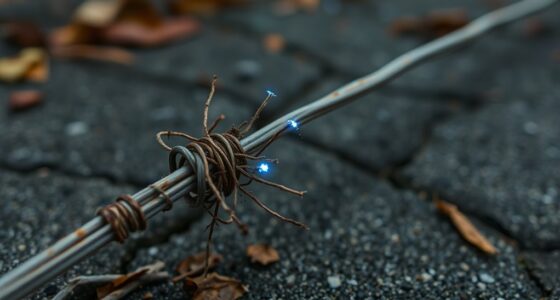
Nuisance tripping often happens because of electrical surges, faulty wiring, or a malfunctioning circuit breaker. Overloading your circuits with too many devices or high-power appliances can also cause it. Sometimes, old or damaged wiring causes shorts or imbalances that trip the breaker unexpectedly. Addressing these issues requires understanding the root causes, like power fluctuations or system wear. If you keep experiencing trips, there’s more to contemplate to keep your system safe and reliable.

Get backup power and energy gear delivered free — and shop member deals
- Fast, free delivery on millions of items
- Access to Prime Big Deal Days deals on October 6–7
- Prime Video, Amazon Music and more included
Key Takeaways
- Sudden voltage spikes from surges can trigger unnecessary breaker trips.
- Faulty wiring or poor connections may cause intermittent faults leading to nuisance trips.
- Malfunctioning or overly sensitive circuit breakers can trip without real faults.
- Overloading circuits with too many devices or high-power appliances can cause frequent trips.
- Lack of regular maintenance and inspections increases the risk of undetected wiring or system issues.
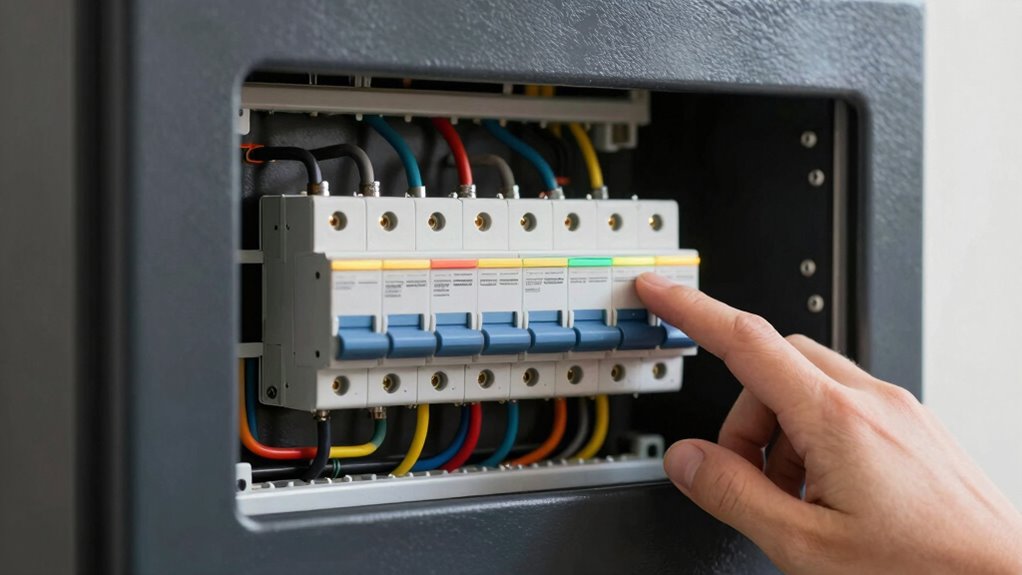
Nuisance tripping can be frustrating, especially when your circuit breaker trips unexpectedly without any clear reason. You might find yourself resetting the breaker repeatedly, unsure whether it’s a minor glitch or a sign of a bigger problem. One common cause is electrical surges, which happen when there’s a sudden spike in voltage. These surges can occur during thunderstorms, when large appliances like refrigerators or air conditioners turn on, or due to power line fluctuations. Electrical surges can overload your system temporarily, prompting the breaker to trip to protect your wiring and devices. If surges are frequent, they might indicate problems with your power supply or outdated equipment, making it essential to address the root cause rather than just resetting the breaker repeatedly.
Faulty wiring is another major culprit behind nuisance tripping. Over time, wiring can degrade due to age, wear, or damage. Poor connections, frayed wires, or improperly installed circuits can cause intermittent faults that trip the breaker. Faulty wiring doesn’t always produce obvious signs like sparks or smoke, but it creates a hazard that your breaker is designed to prevent. When current tries to pass through compromised wiring, it can create an imbalance or short circuit, triggering the breaker as a safety measure. If you suspect faulty wiring, it’s crucial to have a qualified electrician inspect your system. Ignoring wiring issues can lead to more serious problems, including electrical fires. Additionally, vetted electrical components can help ensure your system’s safety and reduce the risk of nuisance trips. Incorporating proper grounding and insulation can further protect your system from electrical faults. Regular inspections and maintenance can also detect early signs of wiring deterioration before a trip occurs. Understanding the importance of electrical system safety can help you prioritize repairs and upgrades to prevent hazards.
Understanding the role of your circuit breaker is essential in thinking about nuisance tripping. Your breaker acts as a safeguard, shutting off power when it detects an overload or a short circuit. Sometimes, the breaker itself may be overly sensitive or malfunctioning, causing it to trip without a real fault. This can happen if the breaker is old or damaged. In such cases, replacing the breaker might resolve the issue. However, it’s important not to jump to that solution without investigating other causes first. Additionally, electrical load limits play a crucial role in preventing nuisance trips, as exceeding them can overload your system.
Finally, consider your electrical load. Plugging in too many devices or high-power appliances simultaneously can overload your circuits, causing nuisance trips. Distributing the load more evenly or upgrading your electrical system can help prevent these trips. Overall, nuisance tripping isn’t something to ignore, but it’s also not always a sign of disaster. By understanding electrical surges, faulty wiring, and your system’s limits, you can better identify whether you need a professional to check your wiring, upgrade your panel, or simply manage your power use more effectively.
As an affiliate, we earn on qualifying purchases.
Frequently Asked Questions
How Can I Prevent Nuisance Tripping in My Home?
You can prevent nuisance tripping by avoiding circuit overloads, which occur when too many devices draw power on the same circuit. Make sure your appliances are evenly distributed across circuits and don’t overload outlets. Additionally, verify ground fault detection devices are in good working order, as they can trip due to minor faults. Regularly inspect your electrical system and replace faulty components to reduce unnecessary trips and maintain safety.
What Tools Are Best for Diagnosing Nuisance Tripping?
A stitch in time saves nine. To diagnose nuisance tripping, you should use a circuit tester and fault locator. A circuit tester helps you identify if circuits are live and functioning properly, while a fault locator pinpoints the exact problem area. These tools enable you to troubleshoot quickly, preventing ongoing issues. Always guarantee safety first, and consider consulting a professional if you’re unsure about handling electrical diagnostics.
Does Age of Electrical Equipment Affect Nuisance Tripping?
Yes, the age of electrical equipment definitely affects nuisance tripping. As electrical systems age, equipment degradation occurs, leading to increased chances of faults and false trips. Older wiring and components may become brittle or corroded, causing unstable connections or short circuits. Regular maintenance and timely upgrades are essential to prevent nuisance tripping caused by aging equipment, ensuring your system remains reliable and safe.
Can Environmental Factors Cause Nuisance Tripping?
Yes, environmental factors can cause nuisance tripping. Environmental interference, like lightning or strong electromagnetic fields, can disrupt your electrical system, leading to trips. Power fluctuations caused by weather conditions, nearby equipment, or unstable supply can also trigger nuisance trips. These external influences create instability in your electrical circuit, prompting your circuit breaker to trip as a safety measure. You should consider these factors when troubleshooting persistent nuisance tripping issues.
When Should I Call a Professional Electrician?
You should call a professional electrician if your circuit keeps tripping repeatedly, especially if it’s happening during normal use. Did you know electrical safety experts warn that circuit overloads cause over 50% of nuisance trips? Ignoring this risk can lead to fire hazards or equipment damage. An electrician can diagnose issues accurately, prevent further nuisance tripping, and guarantee your system is safe and compliant. Don’t risk safety—call a pro when in doubt.
As an affiliate, we earn on qualifying purchases.
Conclusion
Understanding what causes nuisance tripping helps you troubleshoot quickly and confidently. By recognizing common issues like overloaded circuits or faulty devices, you can prevent future interruptions and keep your home safe. When you approach tripping as a sign rather than a problem, you’re better equipped to identify and fix the real issue. Isn’t it better to solve the root cause than just reset and hope it doesn’t happen again? Take control and keep your electrical system running smoothly.
As an affiliate, we earn on qualifying purchases.
electrical system maintenance tools
As an affiliate, we earn on qualifying purchases.
As an affiliate, we earn on qualifying purchases.
Fall Picks
fall essentials
As an affiliate, we earn on qualifying purchases.