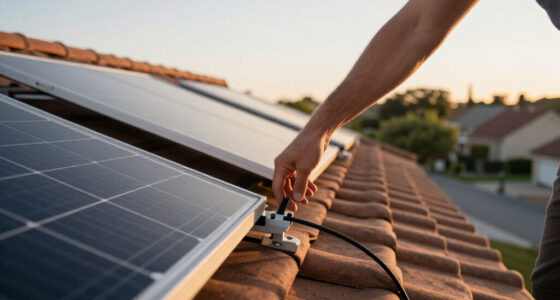
To plan roof layouts with proper fire setbacks, you should begin by understanding local fire codes that specify minimum distances based on building height, occupancy, and materials. Confirm your design accommodates setback zones for safety and fire prevention, especially around combustible features like parapets and eaves. Using fire-resistant materials and consulting professionals early helps you stay compliant and enhance safety. Keep going to discover more tips that will help you design safer, code-compliant roof layouts.

Get backup power and energy gear delivered free with Prime
- Fast, free delivery on millions of items
- Prime Video, Amazon Music and more included
- Member-only deals all year
Key Takeaways
- Calculate setback distances based on building height, occupancy, and local fire codes during initial roof layout planning.
- Incorporate setback zones into your roof design early to ensure compliance and prevent costly adjustments later.
- Use fire-resistant materials and features like parapets to enhance safety while maintaining necessary setbacks.
- Adjust roof features and array layouts to maximize space while respecting mandated fire setback requirements.
- Collaborate with fire safety professionals to verify setback calculations and optimize roof layout for fire protection.
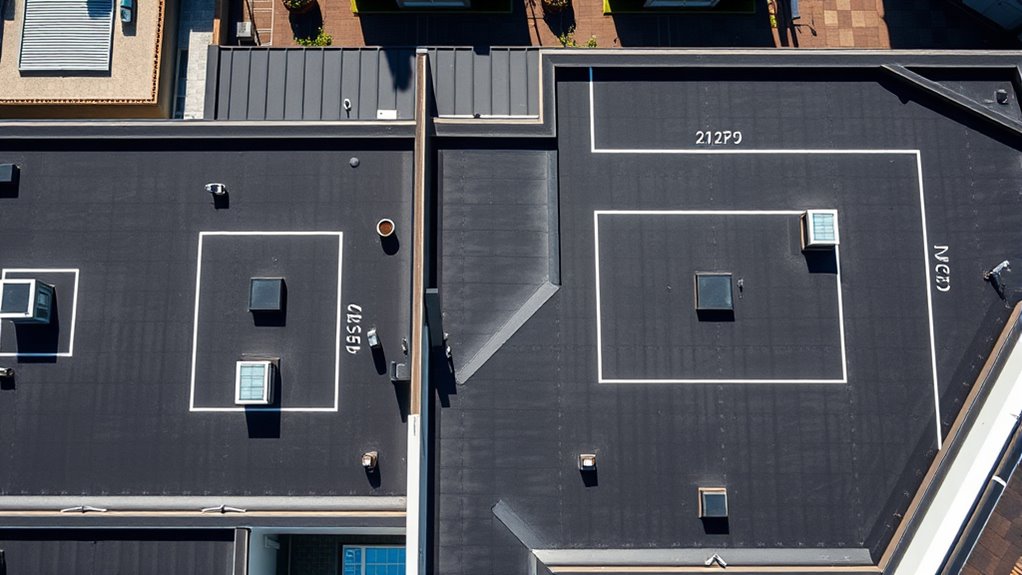
Fire setbacks on roofs are critical safety measures designed to prevent the spread of flames between buildings. When planning your roof layout, understanding and implementing proper fire code compliance is essential. These setbacks are often mandated by local building codes to create safe distances that hinder fire from jumping from one structure to another. If you overlook these requirements, you risk violations that could lead to costly fines, construction delays, or dangerous structural vulnerabilities. To ensure your project adheres to regulations, you need to carefully perform setback calculations, which determine the minimum distance your roof features must maintain from adjacent structures or property lines. These calculations are based on various factors, including building height, occupancy type, and the materials used in construction.
Accurate setback calculations are vital because they directly influence how you design your roof array layout. For example, if your building is taller or houses more combustible materials, the required setbacks might be larger. This means you’ll need to plan for more space between your roof and neighboring structures or property boundaries. By doing so, you create a safer environment that minimizes fire spread risk. When designing, keep in mind that these setbacks aren’t just arbitrary numbers; they are grounded in fire safety principles and local regulations. You should consult relevant fire codes early in your planning process to determine the specific setback distances applicable to your project. Doing so helps you avoid costly redesigns later and ensures your layout remains compliant.
In practice, implementing proper setbacks involves more than just calculating distances. You need to consider how roof features like parapets, eaves, and mechanical equipment might affect your setback zones. Sometimes, these elements require additional planning or protective measures to maintain fire safety standards. Remember, setbacks are not just about complying with codes—they’re about protecting lives and property. When you plan your roof layout with these considerations in mind, you’re making a critical investment in fire safety. It’s also smart to work with qualified professionals who understand fire code compliance and setback calculations intimately. They can guide you through the nuances of local regulations, ensuring your design is both functional and safe.
Additionally, understanding the role of fire-resistant materials in your roof construction can help mitigate the impact of setbacks and enhance overall fire safety. Ultimately, paying close attention to fire setbacks on roofs and integrating them into your layout is a proactive step toward safeguarding your building. When you prioritize accurate calculations and compliance, you reduce the risk of fire hazards and demonstrate a commitment to safety that benefits everyone involved. Proper planning now can save you significant trouble later, making your project safer, more compliant, and more resilient against fire threats.
fire-resistant roofing materials
As an affiliate, we earn on qualifying purchases.
As an affiliate, we earn on qualifying purchases.
Frequently Asked Questions
How Do Fire Setbacks Vary by Building Type?
You’ll notice fire setbacks vary by building type because taller structures require larger setbacks for fire safety. For example, high-rise buildings with greater heights need more space to prevent fire spread, while smaller, single-story buildings have smaller setbacks. These differences help guarantee adequate fire safety measures are in place, reducing risks and allowing for safer fire response, especially considering the building height and its impact on fire safety planning.
What Are the Latest Code Updates for Roof Setbacks?
Think of fire safety as your shield—latest code updates now tighten roof setback regulations to improve fire safety. You should check the newest local codes, which often specify increased setbacks for certain building types, especially those with solar arrays. These updates aim to reduce fire spread risk, so verify your roof plans comply with the latest regulations to protect both property and lives. Staying current keeps your designs safe and compliant.
How Do Setbacks Impact Rooftop Garden Designs?
Setbacks impact your rooftop garden design by limiting space, so you need to carefully consider garden aesthetics and plant selection. You should choose compact, drought-tolerant plants that thrive in smaller areas and incorporate visual elements to maximize appeal. By respecting setback requirements, you guarantee safety and compliance while creating a beautiful, functional rooftop garden that enhances your building’s overall look and feel.
Are There Exemptions for Emergency Access Routes?
Yes, there are exemptions for emergency access routes. You need to prioritize fire truck access and emergency planning when designing rooftop gardens. Typically, local codes allow certain exceptions if you guarantee clear, unobstructed pathways for fire trucks and emergency personnel. Always check specific regulations, but generally, exemptions are granted when you demonstrate that your design maintains essential safety standards and provides adequate emergency access.
How Do Climate Zones Influence Setback Requirements?
Climate zones considerably influence setback zoning requirements because they guide climate adaptation strategies. You need to adjust setbacks based on local climate conditions to enhance safety and efficiency. In colder zones, larger setbacks prevent snow accumulation, while in hot, dry areas, setbacks promote airflow and reduce fire risk. Understanding these zone-specific rules helps you design safer, more resilient roof layouts that meet local regulations and adapt to climate challenges effectively.
As an affiliate, we earn on qualifying purchases.
Conclusion
To guarantee safety and compliance, always plan your roof array layouts carefully, respecting fire setbacks. Proper spacing can reduce fire risk and improve overall safety. Did you know that improper setbacks can increase fire spread risk by up to 30%? By thoughtfully designing your roof arrays, you not only protect your property but also contribute to community safety. Take the time to get it right—your roof’s layout makes a big difference.
As an affiliate, we earn on qualifying purchases.
As an affiliate, we earn on qualifying purchases.
Columbus Day / Indigenous Peoples' Day Picks
long weekend sales
As an affiliate, we earn on qualifying purchases.