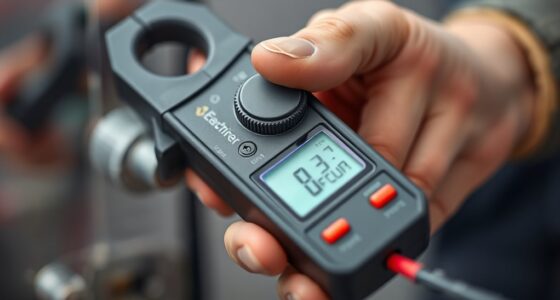
Outlet test patterns use indicator lights to help you identify wiring issues, grounding problems, or open circuits. For example, a steady green light usually indicates everything’s okay, while blinking or different color lights can signal faults such as open grounds or reversed wires. By understanding these light combinations, you can quickly diagnose safety concerns or wiring errors. Keep exploring these patterns, as knowing how to interpret them can save you time and ensure your electrical safety.

Get backup power and energy gear delivered free — and shop member deals
- Fast, free delivery on millions of items
- Access to Prime Big Deal Days deals on October 6–7
- Prime Video, Amazon Music and more included
Key Takeaways
- Different outlet test pattern lights indicate specific wiring conditions, including proper grounding and open circuits.
- A green or steady light typically confirms correct wiring, while blinking or absent lights suggest issues.
- Specific color signals and blinking patterns reveal grounding faults, open ground, or miswired outlets.
- Understanding each light combo helps identify wiring errors like reversed hot/neutral or loose connections.
- Always verify test pattern results with proper wiring inspection or professional help to ensure safety.

Outlet test patterns are essential tools for diagnosing electrical outlets and ensuring they function properly. When you notice issues with an outlet, these patterns help you interpret the indicator lights to identify potential problems. One common concern they reveal is grounding issues. If the test pattern shows a problem with grounding, it could mean the outlet isn’t properly connected to the ground wire, which is crucial for safety. Proper grounding prevents electric shocks and protects your devices from power surges. When testing, if you see specific light combinations indicating a grounding fault, you’ll know to inspect the wiring configuration and verify the ground wire is correctly connected. Faulty grounding can sometimes be traced back to wiring mistakes—like loose or disconnected ground wires—so understanding these wiring configurations helps you troubleshoot effectively.
You should pay close attention to how the lights react during testing. For example, if the pattern indicates open ground, it’s a sign that the ground connection isn’t making contact or is improperly wired. In such cases, you might need to open up the outlet box and confirm that the ground wire is securely attached to the outlet’s grounding terminal. Sometimes, wiring configurations are the culprit, especially if the outlet is part of a series or branch circuit. Incorrect wiring—such as miswired hot, neutral, and ground wires—can cause false readings or unsafe conditions. Recognizing these wiring issues early on saves you from more significant electrical hazards down the line.
Additionally, understanding the consequences of improper wiring can help you appreciate why proper installation is critical for safety and device longevity. Using outlet test patterns also helps you spot other wiring configuration problems, like reversed hot and neutral or open circuits. A miswired outlet can cause appliances to malfunction or pose safety risks. When you see certain light combinations, it’s a cue to double-check the wiring layout. Proper wiring configurations follow standard color codes and terminal connections, so confirming these are correct is vital for safe operation. If you’re unsure about the wiring, it’s best to consult a professional electrician who can verify and correct the connections.
outlet tester with indicator lights
As an affiliate, we earn on qualifying purchases.
As an affiliate, we earn on qualifying purchases.
Frequently Asked Questions
How Do I Reset a Tripped Circuit Breaker?
To reset a tripped circuit breaker, first locate your breaker panel and perform a thorough circuit breaker inspection. Find the breaker that’s in the “off” or middle position, indicating it’s tripped. Switch it fully to the “off” position then back to “on.” Use outlet troubleshooting techniques to check if power is restored. If it trips again, consult a professional to prevent electrical hazards or underlying issues.
What Should I Do if Outlets Still Malfunction After Testing?
Think of your outlets as a garden that needs regular care. If they still malfunction after testing, you should double-check with reliable testing tools to confirm outlet safety. Sometimes, a deeper issue lurks behind the scenes, like wiring problems or circuit overloads. Don’t ignore persistent issues—consult a professional to ensure everything’s correctly wired and safe, so your home stays secure and functional.
Are There Safety Precautions Before Testing Electrical Outlets?
Before testing electrical outlets, prioritize electrical safety by turning off the power at the circuit breaker. Use insulated tools and wear rubber soled shoes to prevent shocks. Make sure your hands are dry and keep the area clear of water. Follow proper testing procedures, such as using a voltage tester or multimeter carefully. These precautions help protect you and ensure accurate results during testing, reducing the risk of electrical accidents.
Can I Test Outlets Without Turning off the Power?
You shouldn’t test outlets without turning off the power; think of circuit safety as your shield against shocks. Testing equipment works best when the current is controlled, ensuring accurate results and your safety. Imagine the outlet as a guarded treasure chest—only open it with the power off. This way, you avoid dangerous surprises, protect yourself, and guarantee your testing is both safe and effective.
How Often Should I Perform Outlet Testing and Maintenance?
You should perform outlet testing and maintenance at least once a year to verify outlet safety and proper functioning. Regular testing helps catch issues early and simplifies circuit troubleshooting. If you notice any signs of damage, sparks, or frequent outages, test your outlets immediately. Use outlet test patterns to decode light combos and confirm everything’s working correctly. Staying proactive keeps your electrical system safe and prevents potential hazards.
As an affiliate, we earn on qualifying purchases.
Conclusion
So, after mastering these outlet test patterns, you’re practically an electrician—who knew decoding blinking lights could be so thrilling? Ironically, all it takes is a few simple steps to troubleshoot what might seem like complex issues. Now, next time an outlet acts up, you’ll confidently decipher those mysterious signals. Who needs a pro when you’ve got these patterns? Just don’t forget, even the brightest light can hide a surprising problem behind it.
As an affiliate, we earn on qualifying purchases.
outlet wiring troubleshooting kit
As an affiliate, we earn on qualifying purchases.
As an affiliate, we earn on qualifying purchases.
Fall Picks
fall essentials
As an affiliate, we earn on qualifying purchases.