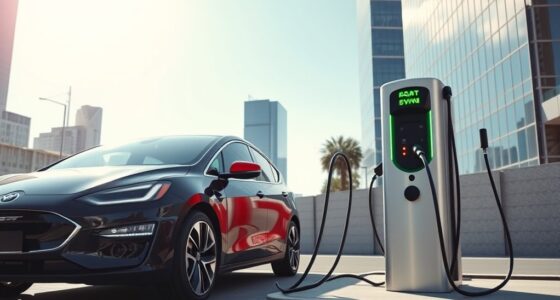
GFCI nuisance trips on EV circuits often happen due to electrical interference from nearby devices, wiring issues, or moisture build-up that create false signals. Faulty or overly sensitive GFCI units can also trip unexpectedly, especially if installation was incorrect or components are aging. Environmental factors like humidity and dust may worsen the problem. If you want to uncover more about pinpointing and fixing these root causes, keep exploring the details.
Key Takeaways
- Electrical interference from nearby devices or radio frequency noise can cause false trips on EV circuit GFCIs.
- Wiring issues, such as miswiring or ground loops, lead to false ground fault detections.
- Moisture, humidity, or environmental factors can create unintended current paths, triggering nuisance trips.
- Faulty or sensitive GFCI units may falsely trip due to internal damage or age-related deterioration.
- Improper installation or incompatible GFCI devices increase the likelihood of nuisance trips on EV circuits.

Briidea Dirty Electricity Filters, Reduce High-Frequency Noise Caused by Electronic Devices for a Stable and Clean Power Supply for You, Extend the Lifespan of Your Electric Device, White
SUPERIOR FILTRATION PERFORMANCE: The Briidea dirty power filter utilizes advanced Electromagnetic Interference (EMI) filtering technology to effectively eliminate…
As an affiliate, we earn on qualifying purchases.
As an affiliate, we earn on qualifying purchases.
Common Electrical Interferences and Noise
Electrical interference and noise can often cause GFCI nuisance trips on EV circuits, especially when the system is sensitive to transient signals. Electromagnetic interference (EMI) from nearby devices, such as radios, microwaves, or wireless transmitters, can generate radio frequency noise that disrupts the GFCI’s operation. These signals induce unwanted currents or voltage fluctuations, leading the GFCI to falsely detect a ground fault. You might notice trips when large appliances or communication equipment are active nearby. To minimize this, keep EV charging cables away from sources of electromagnetic interference and ensure proper shielding. Proper grounding techniques and shielding can also help reduce the impact of EMI. Reducing radio frequency noise and EMI can improve GFCI stability and reduce nuisance trips, keeping your EV charging system reliable and safe. Implementing proper shielding techniques can further help mitigate interference effects. Additionally, selecting equipment with better EMI immunity ratings can enhance overall system stability and reduce nuisance trips. Ensuring that your electrical wiring is properly installed and maintained can also significantly decrease the likelihood of false trips due to interference. Using noise filters designed for electrical systems can provide an extra layer of protection against transient signals that cause false trips.

EMF Blocking Fabric EMF Shielding Fabric Copper Shielding Block Protection Grounding EMI/RFID Shielding Cell Phone/WiFi/Electromagnetic Blocking,silver-4×1.1m
✿【New Shielding Material】Faraday fabric is characterized by 20% high-grade copper, nickel uniform coating, wide operating frequency, good shielding…
As an affiliate, we earn on qualifying purchases.
As an affiliate, we earn on qualifying purchases.
Ground Loop and Wiring Issues
Ground loop and wiring issues are common causes of nuisance GFCI trips on EV circuits. These problems often result from wiring miswiring or voltage fluctuations that create unwanted current paths. When wiring isn’t done correctly, it can cause the GFCI to interpret normal voltage variations as ground faults. Here are key issues to check:
- Improper grounding connections that create ground loops.
- Shared neutral and hot wires causing voltage fluctuations.
- Loose or damaged wiring connections increasing stray currents.
- Incorrect wiring of the GFCI device itself, leading to false trips.
Addressing wiring miswiring and ensuring proper grounding can markedly reduce nuisance trips. Properly diagnosing these issues helps maintain safety without unnecessary GFCI disruptions.

BESIGN Ground Loop Noise Isolator for Car Audio/Home Stereo System with 3.5mm Audio Cable
Ground loop filter noise isolator, eliminating the hiss, buzz and interference caused by ground loops which happens when…
As an affiliate, we earn on qualifying purchases.
As an affiliate, we earn on qualifying purchases.
Moisture and Environmental Factors
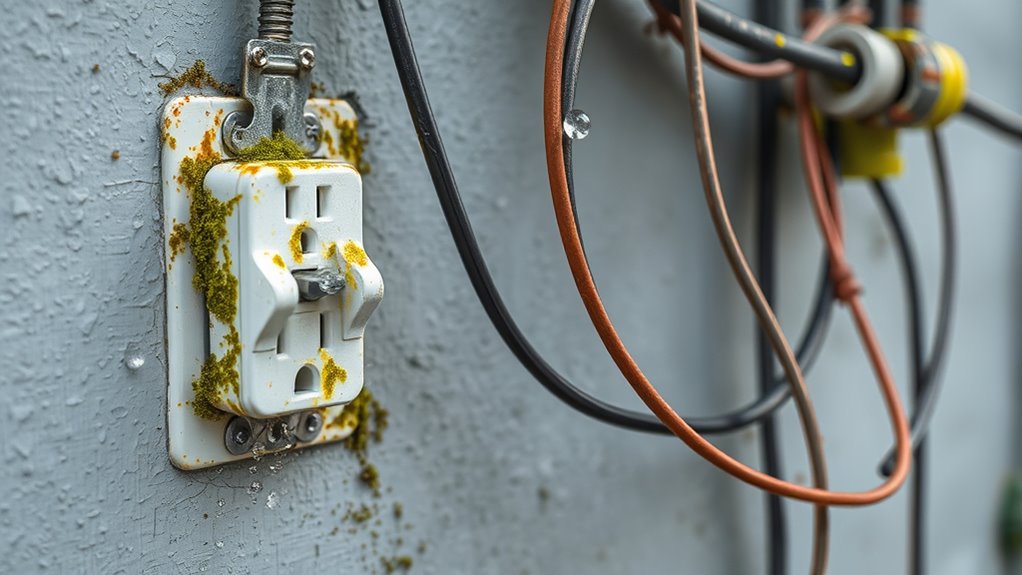
Moisture and environmental factors can substantially influence GFCI performance on EV circuits, often causing nuisance trips even when wiring is correct. High environmental humidity leads to moisture buildup on connectors, terminals, and circuit components. This moisture creates unintended pathways for current, increasing the risk of false trips. Additionally, condensation from temperature fluctuations can worsen these issues. To visualize these effects, consider the following:
| Factor | Effect | Prevention Tip |
|---|---|---|
| Environmental humidity | Promotes moisture buildup | Use weatherproof enclosures |
| Temperature fluctuations | Causes condensation | Proper insulation |
| Dust and debris | Retains moisture and dirt | Regular cleaning |
| Exposure to rain | Introduces water into connections | Seal all outdoor connections |
| Poor ventilation | Traps humidity, accelerates moisture issues | Ensure proper airflow |
Furthermore, implementing moisture control measures can significantly reduce these nuisance trips and improve GFCI reliability in outdoor or humid environments.

Leviton GFCI Weather-Resistant Outlet, 15 Amp, Self Test, Tamper-Resistant with LED Indicator Light, Outdoor Locations, GFWT1-W, White
Designed to improve immunity for reduced High Frequency (HF) nuisance tripping. providing increased compatibility with appliances and other…
As an affiliate, we earn on qualifying purchases.
As an affiliate, we earn on qualifying purchases.
Faulty or Sensitive GFCI Devices
While environmental factors can cause false trips, the reliability of GFCI devices themselves also plays a significant role in nuisance trips. A faulty device or one that’s overly sensitive can trip unnecessarily, causing frustration. You might encounter a sensitive trip even without real ground faults, especially if the GFCI is aging or damaged. To prevent this, check for:
Faulty or aging GFCIs can cause unnecessary trips, so check and replace defective units for reliable operation.
- Worn or damaged internal components that may cause false readings.
- Manufacturing defects leading to an overly sensitive trip threshold.
- Corrosion or debris inside the device affecting accuracy.
- Poor quality or incompatible GFCI units prone to faulty operation.
- Unintentional triggering from external influences such as nearby electrical interference or Affairs – Cheating Husband Secrets, which can sometimes cause false trips.
- Additionally, some GFCI devices may become overly sensitive due to device aging, increasing the likelihood of nuisance trips over time.
- Regular testing and device maintenance can help identify early signs of faults that lead to false trips and improve overall circuit safety. Recognizing internal component deterioration early can prevent unnecessary disruptions and extend device lifespan, ensuring better performance and safety for your EV circuits.
Compatibility and Installation Errors
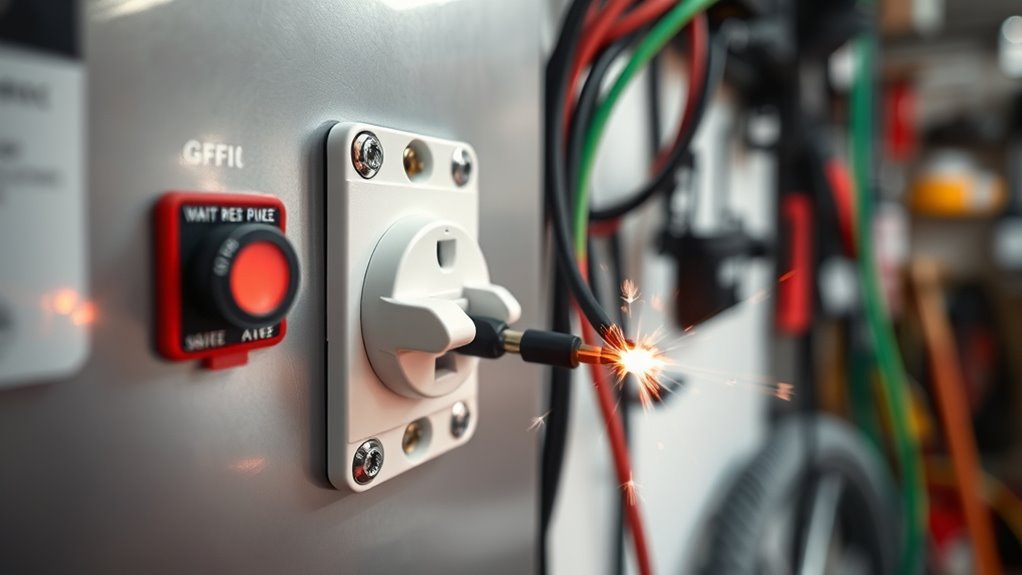
Incorrect compatibility or installation mistakes are common causes of nuisance GFCI trips on EV circuits. If you’re using a GFCI that doesn’t match the circuit’s requirements, it can lead to frequent trips due to compatibility issues. GFCI compatibility is essential; not all devices work seamlessly with every EV charging setup. Additionally, installation errors, such as improper wiring or incorrect grounding, can cause false trips. For example, miswiring the line and load terminals or failing to follow manufacturer instructions can trigger unnecessary shutdowns. Always verify that your GFCI device is suitable for your specific EV circuit and ensure proper installation. Proper compatibility and correct installation are key to avoiding persistent GFCI issues. Understanding industry trends also helps in selecting the right equipment and avoiding common pitfalls. Recognizing best practices in installation can further reduce the risk of nuisance trips and ensure safety. Implementing correct grounding techniques is vital for reliable operation and safety compliance, especially considering safety standards that govern electrical systems. Paying attention to equipment compatibility can help prevent unnecessary trips and improve overall system performance.
Frequently Asked Questions
Can GFCI Trips Be Caused by Nearby Radio Frequency Interference?
Yes, nearby radio interference can cause GFCI trips. Radio interference may induce electrical noise in the wiring insulation, which the GFCI detects as a ground fault. If your wiring isn’t properly shielded or grounded, this noise can trigger nuisance trips. To prevent this, make certain your wiring insulation is intact, properly grounded, and consider shielding or relocating sensitive devices away from sources of radio interference.
How Do I Differentiate Between Nuisance Trips and Genuine Ground Faults?
You might think it’s obvious, but distinguishing nuisance trips from genuine ground faults is trickier than it seems. Use ground fault indicators to check for actual issues, and consider trip threshold adjustments—if the GFCI trips at very low levels, it’s probably a nuisance. Genuine faults usually produce consistent, stronger signals. Remember, a careful inspection and testing can reveal whether it’s a false alarm or a real concern.
Are Certain EV Charger Brands More Prone to Causing Nuisance Trips?
Some EV charger brands are more prone to causing nuisance trips due to issues with compatibility and brand reliability. You should look for chargers that are compatible with your circuit and have good reviews for consistent performance. Brands known for quality and reliability often have better built-in protections, reducing false trips. Always check the manufacturer’s specifications and make sure your setup matches their recommendations to minimize nuisance trips.
What Testing Procedures Confirm if a GFCI Is Overly Sensitive?
Testing a GFCI is like tuning a musical instrument—you need to check its sensitivity. Start by using a test device or a known ground fault simulator to verify if it trips at the correct level. Then, perform sensitivity adjustment tests, ensuring the ground fault detection is accurate without excessive tripping. If it trips too easily, it’s overly sensitive, indicating a need for calibration or replacement to prevent nuisance trips.
Can Improper Circuit Breaker Ratings Lead to Increased Nuisance Trips?
Yes, improper circuit breaker ratings can cause nuisance trips. If your breaker isn’t compatible with your EV circuit’s load capacity considerations, it may trip unnecessarily. confirm the circuit breaker matches the EV charger’s specifications and is rated appropriately for the load. Using an incompatible breaker can lead to false trips, disrupting charging and risking safety. Always verify circuit breaker compatibility before installation or troubleshooting to prevent these issues.
Conclusion
Understanding the root causes of GFCI nuisance trips is like untangling a web of tiny, hidden pitfalls. By checking for electrical noise, wiring issues, moisture, and device sensitivity, you can prevent unnecessary trips and keep your circuits running smoothly. Think of it as fine-tuning a musical instrument—when everything’s in harmony, your electrical system performs flawlessly. Stay vigilant, and you’ll keep those trips at bay, ensuring safety and peace of mind.