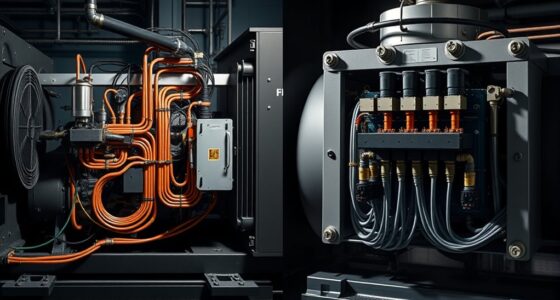
When choosing between transfer switches and interlock kits for safe power changeover, consider your needs for automatic or manual operation. Transfer switches automatically switch power during outages, offering seamless and convenient backup, but they can be pricier and require professional installation. Interlock kits are simpler, more affordable, and rely on manual switching, making them safer if installed correctly. Understanding safety, costs, and compatibility is key—continue exploring to find the best option for your backup power.

Get backup power and energy gear delivered free — and shop member deals
- Fast, free delivery on millions of items
- Access to Prime Big Deal Days deals on October 6–7
- Prime Video, Amazon Music and more included
Key Takeaways
- Transfer switches automatically or manually switch power sources, offering seamless and safe backup during outages.
- Interlock kits are manual, cost-effective solutions that require user intervention to switch between utility and generator power.
- Transfer switches generally meet safety standards and codes, often needing professional installation, while interlock kits are simpler but still require proper setup.
- Automatic switches provide convenience but are more expensive; interlock kits are budget-friendly but involve manual operation.
- Proper installation, adherence to safety standards, and compatibility are crucial for safe, reliable power changeover with either method.
automatic transfer switch for generator
As an affiliate, we earn on qualifying purchases.
As an affiliate, we earn on qualifying purchases.
How Transfer Switches Operate and Their Key Features

Transfer switches are indispensable devices that automatically or manually redirect power from your main utility to a backup generator during an outage. They guarantee generator safety by preventing backfeeding, which can endanger utility workers and damage equipment. These switches are designed to comply with electrical codes, ensuring safe and reliable operation. When a power outage occurs, a transfer switch isolates your home’s circuits from the utility, allowing the generator to power selected circuits safely. Automatic transfer switches detect outages and switch power sources instantly, providing seamless backup power. Manual versions require you to operate them manually during an outage. Key features include easy installation, durability, and adherence to electrical codes, making transfer switches a crucial component for safe, code-compliant backup power systems. Additionally, modern transfer switches often incorporate advanced safety features to enhance user protection and system reliability. These features are essential for ensuring safe operation and preventing potential hazards associated with backup power systems. Moreover, many models are designed for easy integration with existing electrical setups, simplifying the installation process for homeowners and professionals alike.
manual interlock kit for home generator
As an affiliate, we earn on qualifying purchases.
As an affiliate, we earn on qualifying purchases.
The Functionality and Benefits of Interlock Kits
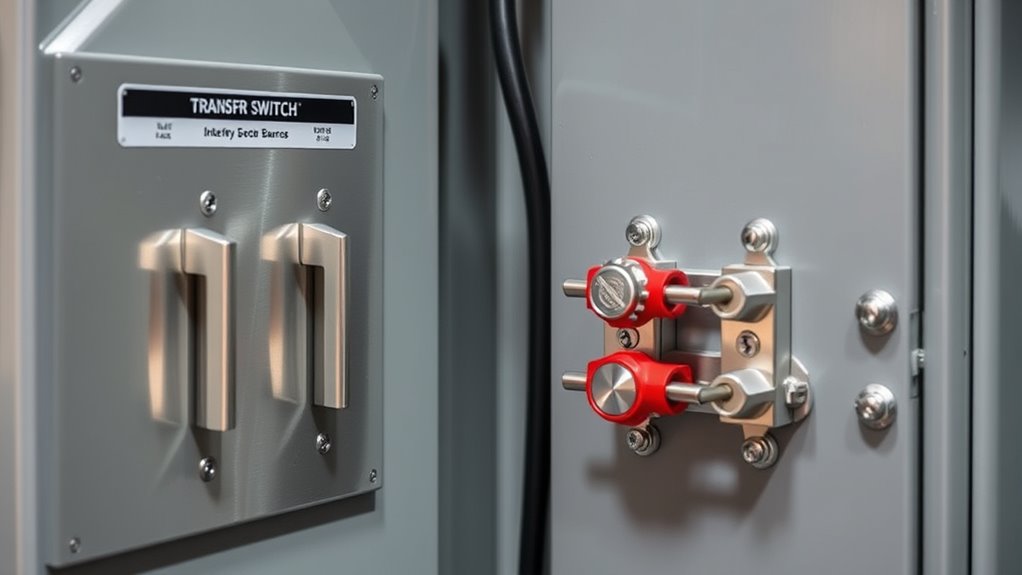
Interlock kits provide a simple, cost-effective way to safely connect a generator to your home’s electrical system during outages. They work with manual transfer methods, allowing you to control when the generator powers your home, reducing the risk of backfeeding. Unlike automatic transfer switches, interlock kits require your intervention to switch between utility power and generator power, giving you more direct control. They are easy to install on existing breaker panels and don’t need complex wiring or electronics. This makes them affordable and accessible for homeowners. The main benefit is safety, as they prevent both power sources from energizing the same circuit simultaneously. Interlock kits enhance your energy independence during outages while maintaining a straightforward, reliable transfer process. Additionally, understanding the importance of proper safety procedures can help ensure you stay focused and safe while installing or operating these systems.
home backup power transfer switch
As an affiliate, we earn on qualifying purchases.
As an affiliate, we earn on qualifying purchases.
Safety Considerations and Code Compliance for Both Options

Ensuring safety and code compliance is essential when installing either transfer switches or interlock kits. Your focus should be on maintaining generator safety, preventing back-feed, and avoiding electrical hazards. Both options must meet local electrical codes and standards, such as NEC guidelines, to guarantee proper installation and operation. Proper grounding, load management, and correct wiring are critical for safe use. Interlock kits often require adherence to specific manufacturer instructions and local code requirements, while transfer switches typically need UL listing and professional installation. Failing to comply can result in dangerous situations, like electrical shock or fire, and may void insurance coverage. Additionally, the use of vetting procedures ensures that the equipment and installation practices meet safety standards and reduce risks. It is also important to consider electrical system compatibility to ensure your setup functions correctly without overloads or faults. Proper interlock installation techniques and regular inspections can further enhance safety and reliability. Consulting with licensed electricians and adhering to safety standards can help ensure your setup is compliant and secure. Always consult licensed electricians and local authorities to confirm your setup aligns with safety standards and code mandates.
As an affiliate, we earn on qualifying purchases.
Installation Process and Cost Factors

Installing a transfer switch or an interlock kit involves different steps and considerations that can impact your overall project cost. Your choice depends on generator compatibility and installation complexity. Transfer switches typically require professional wiring, increasing installation costs but offering seamless power transfer. Interlock kits are simpler and less expensive but may involve more manual effort. Additionally, selecting the right option depends on your industry standards and local electrical codes to ensure safety and compliance. Proper understanding of electrical safety regulations can help prevent potential hazards during installation. It is also important to consider installation complexity, which can influence your timeline and budget. Evaluating the safety features of each system can further influence your decision and ensure reliable operation. Moreover, understanding code compliance is essential for meeting legal requirements and avoiding penalties.
Choosing the Right Solution for Your Power Backup Needs
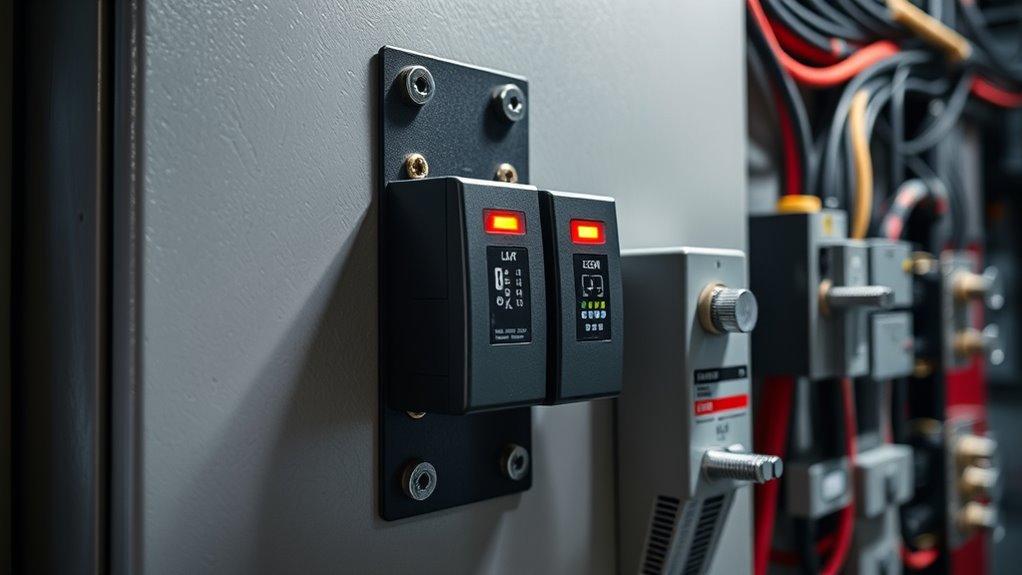
Choosing the right solution for your power backup needs depends on several key factors, including your budget, the complexity of installation, and your generator’s compatibility. You need to verify the transfer switch or interlock kit you select matches your generator’s requirements to prevent damage or safety issues. Generator compatibility is vital for seamless operation and reliable power transfer. Additionally, consider user accessibility—how easy it is for you to operate and maintain the system during emergencies. Transfer switches often offer more automation and remote controls, ideal for convenience, while interlock kits provide a straightforward, cost-effective option. By evaluating these factors, you can choose a solution that balances safety, functionality, and ease of use for your specific backup power needs. Security considerations are also important to ensure your system remains safe from potential cyber or physical threats. Understanding proper installation practices can help prevent safety hazards and ensure compliance with electrical codes. Moreover, assessing the types of safety features included in each option can further protect your property and loved ones. Incorporating skilled professional installation can significantly enhance the safety and reliability of your power transfer system. Additionally, considering system monitoring and maintenance can help ensure long-term performance and safety.
Frequently Asked Questions
How Long Does It Take to Install a Transfer Switch or Interlock Kit?
It typically takes a few hours to install a transfer switch or interlock kit, but the installation timeline depends on complexity factors like your existing electrical setup and the type of system. If you have a straightforward setup, it might be done in 2-4 hours. More complex installations could take longer, possibly a full day. Always consult a professional to guarantee safety and proper installation.
Can Existing Panels Be Retrofitted With These Devices?
Yes, you can retrofit existing panels with transfer switches or interlock kits, but it depends on panel compatibility. Think of it like fitting a new piece of jewelry—if the design matches, the retrofit process becomes smoother. You’ll need to evaluate your panel’s space and wiring, then follow a professional installation. This guarantees a seamless upgrade, allowing you to enjoy safer, more reliable power changeovers without replacing the entire panel.
Are There Specific Brands That Are More Reliable?
You’ll find that some brands are more reliable based on their reputation and product warranties. Brands like Generac, Reliance, and Leviton are known for quality and durability. When choosing, consider their warranties to guarantee support if issues arise. Trusted brands often have better customer service and proven track records, giving you peace of mind. Always check reviews and product specs to select the best option for your power changeover needs.
What Maintenance Is Required for Each System?
You should regularly inspect both systems to guarantee superior system durability. For transfer switches, clean contacts and check for corrosion every 6-12 months, and test the system annually. Interlock kits require less maintenance but should still be checked for proper alignment and secure installation once a year. Keeping up with these maintenance tasks reduces wear and tear, prolongs system lifespan, and ensures safe, reliable power changeover.
How Do These Options Impact Home Insurance Policies?
Think of your home’s electrical system like a fortress; upgrades impact its defenses. Installing transfer switches or interlock kits can influence insurance implications by demonstrating safety and compliance. Many policies require certified systems to reduce risk, so choosing code-approved options may lower premiums. Always check your policy requirements, as some insurers might view these upgrades favorably, while others may see unapproved modifications as potential hazards.
Conclusion
Ultimately, whether you choose a transfer switch or an interlock kit, safety should be your guiding star. Like a trusted compass, these options direct you toward secure power transfer, preventing dangerous backfeeds. By understanding their differences and considering your specific needs, you guarantee peace of mind during outages. Remember, in the dance between convenience and safety, making an informed choice keeps your home protected—lighting the path forward with confidence.
Fall Picks
fall essentials
As an affiliate, we earn on qualifying purchases.