Yes, you can run your well pump on backup power, but proper planning is crucial. First, determine your pump’s power needs by checking its specifications and guarantee your generator can handle that load comfortably. Install a transfer switch through a qualified electrician to keep operations safe and seamless. Regular maintenance, fuel management, and safety checks are essential for reliable backup. Keep exploring to learn how to set up a safe, efficient system tailored to your needs.
Key Takeaways
- Ensure your backup generator has sufficient capacity (typically 1,000–5,000+ watts) for your well pump’s needs.
- Install a transfer switch with professional help to safely switch power sources without backfeeding.
- Regularly maintain and test your generator to confirm reliable startup and operation during outages.
- Store enough fuel and plan refueling procedures to keep the generator running during extended outages.
- Verify electrical connections and safety measures to prevent damage and ensure safe, continuous water supply.

Have you ever wondered if you can run your well pump on backup power during an outage? The answer depends on a few key factors, but with proper planning, it’s definitely feasible. The first step is understanding power outage preparedness. You need to ensure that your backup power source, typically a generator, is ready to handle your well pump’s demands. This means investing in regular generator maintenance so it functions reliably when you need it most. A well-maintained generator reduces the risk of breakdowns during outages, giving you peace of mind that your water supply remains uninterrupted.
Before attempting to run your well pump on backup power, you should evaluate the power requirements of your pump. Most residential well pumps require a significant amount of electricity, often between 1,000 to 5,000 watts or more. Your generator must be capable of supplying this load comfortably. Check the pump’s specifications and compare them with your generator’s capacity. If your generator is underpowered, it might struggle to start or run the pump efficiently, which can cause damage to both the generator and the pump. Planning ahead with the right size generator is essential to avoid these issues.
Evaluate your well pump’s power needs and ensure your generator can handle the load.
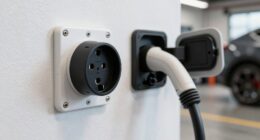
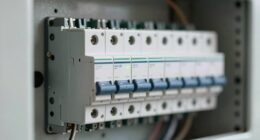
Next, consider the electrical setup needed for backup power. You’ll likely need a transfer switch installed by a qualified electrician. This device safely switches your power source from the grid to your generator, preventing backfeeding into the utility lines, which can be dangerous for utility workers and household members. Proper installation ensures that during a power outage, your well pump can run seamlessly without putting anyone at risk or damaging your equipment.
Another important aspect is ensuring your generator is ready for power outage preparedness. Regular testing and maintenance are vital. This includes checking fuel levels, inspecting connections, testing transfer switches, and running the generator periodically to confirm it starts and operates correctly. A well-maintained generator not only extends its lifespan but also ensures it will work reliably when needed, saving you from unexpected failures during emergencies.
Finally, plan for fuel storage and backup options. Depending on your generator type, you may need to stockpile fuel to keep it running through extended outages. Knowing how long your generator can operate and having a plan to refuel safely is critical. Additionally, the use of high-quality transfer switches can significantly improve overall system safety and efficiency. By taking these steps—regular generator maintenance, proper sizing, professional installation, and fuel planning—you’ll be well-prepared to run your well pump on backup power during any outage, ensuring continuous water access and peace of mind.

PumpSpy 2000W Sump Pump Battery Backup System, Safe Back Up System for Emergency and Power Outage, Superior Home Silent Sump Pump Backup Power Supply with Intelligent Cooling
CUTTING-EDGE TECHNOLOGY: The 2000W Sump Pump Battery Backup System provides overcharge prevention. Once fully charged, the battery (sold…
As an affiliate, we earn on qualifying purchases.
As an affiliate, we earn on qualifying purchases.
Frequently Asked Questions
How Long Can a Well Pump Operate on Backup Power?
You can run a well pump on backup power for as long as your generator capacity or battery lifespan permits. Typically, a generator can power a pump for several hours, depending on its wattage and your home’s demand. If you’re using batteries, runtime may be limited to a few hours before needing a recharge. To make certain of continuous operation, plan for sufficient generator capacity or battery backup, and monitor usage carefully.
What Are the Risks of Running a Well Pump on Backup?
Running your well pump on backup power poses risks like generator overloads or electrical fires if not managed properly. Did you know that improper generator safety can cause injuries or damage in 30% of household incidents? During power outage preparation, make sure your generator is correctly rated and connected to prevent backfeeding. Always follow safety instructions to protect yourself and your equipment, avoiding costly repairs or hazards.
Does Running a Well Pump on Backup Affect Water Quality?
Running your well pump on backup can affect water quality if the backup system isn’t properly maintained. Poor water treatment or contamination can occur if the backup pump isn’t efficient or clean, leading to potential health risks. You should regularly check pump efficiency and ensure your water treatment system is functioning correctly, especially during backup operation, to maintain safe, clean water and prevent quality issues.
How Often Should I Test My Backup Power System?
You should test your backup power system at least once every three to six months. During testing, check generator maintenance routines and monitor the battery lifespan to guarantee reliable operation. Regular testing helps identify issues early, so you’re prepared when needed. Keep records of each test, and replace batteries or perform maintenance as recommended by the manufacturer to keep your backup system functioning smoothly.
What Maintenance Is Needed for Backup Well Pump Systems?
Your backup well pump system needs regular maintenance to prevent disaster. Check your backup battery monthly—imagine it’s the heartbeat of your water supply—and replace it every 3-5 years. Test your generator capacity annually, ensuring it can power your pump during emergencies. Clean any debris from the system, inspect connections, and guarantee your backup power sources are ready to roar to life when you need them most.

MUJURUR 100A Generator Transfer Switch, 24000W Heavy Duty Double Throw Safety Switch, 120/240V Manual Transfer Switch, Stronger Stability, Enlarged NEMA 3R Enclosure for Outdoor, 10-Year Warranty
【100 Amp Generator Transfer Switch】This transfer switch is perfect for shifting power from the utility grid to an…
As an affiliate, we earn on qualifying purchases.
As an affiliate, we earn on qualifying purchases.
Conclusion
Running your well pump on backup power is possible, but it’s essential to plan ahead to avoid damaging the system. Did you know that around 80% of rural homes rely on well pumps? Ensuring you have a reliable backup generator and understanding your pump’s power needs can save you from unexpected outages. Always test your backup system regularly, so you’re prepared when it matters most. Proper planning keeps your water supply steady, no matter what happens.

Earthstraw 100ft Emergency Backup Well Pump Ready Kit – Manual Water Pump for Off-Grid Living, Power Outages, Disasters, and Survival – No Electricity Required – Easy DIY Use
All-in-One Emergency Well Pump Kit for 100 Ft Wells: This complete manual system includes a 100ft pump, length…
As an affiliate, we earn on qualifying purchases.
As an affiliate, we earn on qualifying purchases.

4 Gallon Fuel Tank, Generator Gas Fuel Tank Universal Generator Gas Tank, Gasoline Storage Container with Spout Gauge Generator Petcock Filter 5-8KW Power Equipment
【HIGH-CAPACITY FUEL TANK】This durable 4-gallon gasoline tank is designed to extend generator runtime, making it ideal for long…
As an affiliate, we earn on qualifying purchases.
As an affiliate, we earn on qualifying purchases.