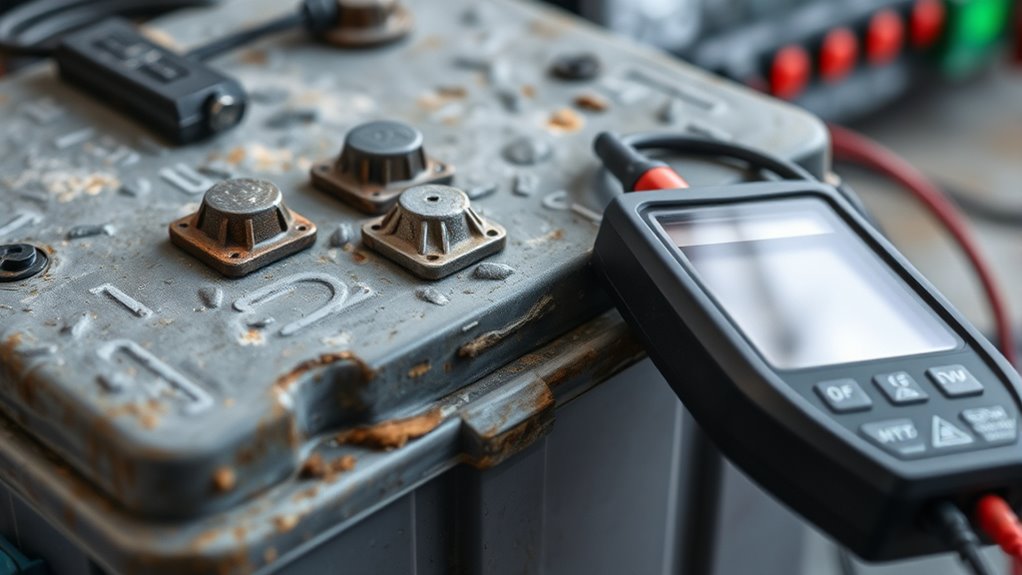

You should consider equalization charging when your lead-acid battery shows signs of capacity loss, voltage irregularities, or uneven performance among cells. It’s necessary after extended storage, multiple deep discharges, or if sulfation and stratification start to affect how well the battery works. By performing this process, you restore capacity and extend lifespan. Staying aware of these indicators helps you maintain your battery’s health—continue with this guide to learn more about when and how to perform equalization.
Key Takeaways
- When battery capacity declines or voltage is uneven among cells, equalization is needed to restore balance.
- Signs of sulfation or stratification indicate the need for equalization to prevent performance issues.
- After extended periods of inactivity or multiple deep discharge cycles, lead-acid batteries benefit from equalization.
- If reduced runtime or capacity loss is observed, equalization can help recover and maintain battery health.
- Use equalization when recommended by the manufacturer or during routine maintenance to ensure optimal battery performance.

Have you ever wondered how to keep your batteries performing at their best? Proper battery maintenance is essential to maximize their lifespan and ensure reliable power. One critical aspect of maintenance for lead-acid batteries is equalization charging, a process that helps balance cells and prevent common issues like sulfation and stratification. But before you plunge in to equalization, it’s crucial to understand when it’s necessary and how to do it safely. Following safety protocols during this process isn’t just a recommendation—it’s a must to protect yourself and your equipment.
Equalization charging involves applying a controlled, slightly higher voltage to the battery than normal charging voltage. This method helps to equalize the charge across all cells, preventing weaker cells from becoming a bottleneck for overall performance. Over time, lead-acid batteries can develop uneven sulfation—where lead sulfate crystals build up more in some cells than others—or stratification, where the acid concentration separates, creating layers. These issues reduce capacity, cause uneven discharge, and shorten the battery’s life. Performing an equalization charge restores balance, enhances capacity, and prolongs the lifespan of your batteries. However, it’s not a process you do just anytime; it’s reserved for specific signs or regular maintenance schedules.
Equalization balances cells, prevents sulfation and stratification, and extends lead-acid battery life through controlled, higher-voltage charging.
You should consider equalization charging if your batteries exhibit reduced capacity, uneven charging, or if you notice a significant voltage imbalance among cells. Additionally, if your battery has been sitting unused for a while or after several deep discharge cycles, equalization can help restore its health. Keep in mind, though, that not all lead-acid batteries require equalization—consult your manufacturer’s recommendations to avoid overdoing it, which can cause damage. When you decide to equalize, always adhere strictly to safety protocols. Wear protective gear, ensure proper ventilation, and work in a dry environment. Use a reliable charger equipped with an equalization mode or carefully monitor voltage and temperature during the process. Overcharging or applying excessive voltage can lead to overheating, gassing, or even dangerous ruptures—so patience and caution are key.
Monitoring the process is equally important. During equalization, you should keep an eye on temperature and voltage levels, stopping if you notice excessive gassing or heat. After the process, allow the batteries to cool and then recharge them to their recommended levels. Regularly performing equalization charging, when needed, can considerably improve your battery’s performance and longevity. Remember, the goal is to maintain a healthy, balanced state within each cell—something achievable only through careful application of proper techniques and strict safety protocols. Proper battery maintenance and attention will ensure your batteries deliver reliable power for years to come.
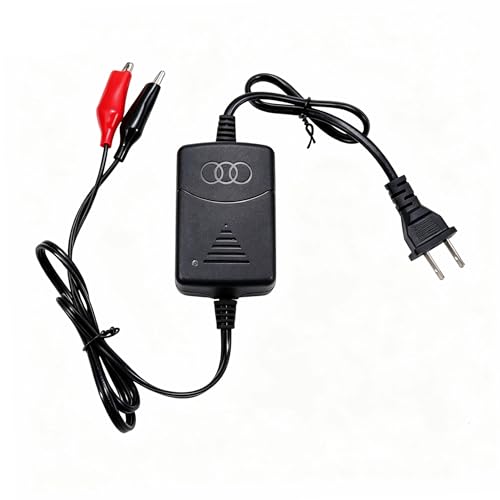
12V Sealed Lead Acid Battery Charger, 100V-240V AC 50/60 HZ to 12V DC 1300mA SLA Battery Charger, with Short Circuit Protection
- LED Indicators: Red for charging, Green for full
- Short Circuit Protection: Enhances charging safety
- Reverse Polarity Protection: Prevents damage from incorrect connection
As an affiliate, we earn on qualifying purchases.
As an affiliate, we earn on qualifying purchases.
Frequently Asked Questions
How Often Should I Perform Equalization on My Lead-Acid Batteries?
You should perform equalization charging every 30 to 60 charging cycles or when you notice reduced capacity or uneven voltage levels. Regular battery maintenance guarantees ideal performance and longevity. Keep an eye on your batteries’ state of charge and voltage, and don’t wait until they’re considerably discharged. Conducting equalization periodically balances the cells, preventing sulfation and extending your lead-acid batteries’ lifespan.
Can Equalization Damage a Healthy Lead-Acid Battery?
Equalization can damage a healthy lead-acid battery if done improperly or too frequently. It’s a vital part of battery maintenance, but you need to follow proper charging safety protocols to avoid overcharging or overheating. Overdoing it can cause excessive gassing, swelling, or even shorten your battery’s lifespan. Always monitor voltage and temperature during equalization, and perform it only when necessary to keep your batteries healthy without risking damage.
What Are the Signs Indicating My Battery Needs Equalization?
You’ll notice your battery needs equalization if you see signs like uneven voltage levels and persistent battery sulfation. When individual cells show different voltages, it indicates a voltage imbalance. Sulfation buildup on plates can reduce capacity and efficiency. Regularly checking your battery’s voltage and inspecting for sulfate deposits helps you determine if equalization is needed to restore balance and prolong battery life.
Is Equalization Necessary for All Types of Lead-Acid Batteries?
No, equalization isn’t necessary for all lead-acid batteries. It’s mainly used as part of battery maintenance for flooded types, especially if you notice uneven charge levels or sulfation. You should follow proper charging techniques, including periodic equalization, to extend battery life. For sealed or AGM batteries, check the manufacturer’s guidelines, as they often don’t require equalization. Always monitor your battery’s condition to determine if equalization is needed.
What Safety Precautions Should I Take During Equalization Charging?
During equalization charging, you should wear protective gear like gloves and safety goggles to prevent acid splashes. Make sure proper ventilation in the area to avoid inhaling potentially harmful gases released during the process. Always follow manufacturer instructions carefully, monitor the charging process closely, and keep a fire extinguisher nearby. By taking these precautions, you can safely perform equalization and protect yourself from possible hazards.
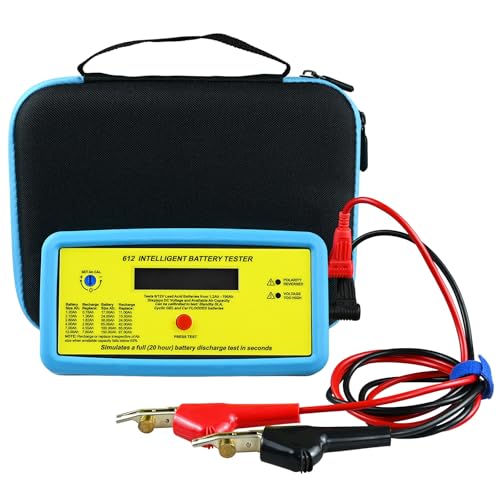
Lead Acid Intelligent Battery Tester Compatible with ACT 612 Lead Acid Intelligent Battery Tester, 6V 12V Capacity Analyzer with Ah Calibration, Gel and Flooded Batteries
- Simulates 20-Hour Discharge in Seconds: Quickly tests battery capacity and health
- Supports 6V and 12V Lead Acid Batteries: Compatible with various battery types and sizes
- Suitable for Multiple Battery Types: Works with SLA, GEL, flooded, and starting batteries
As an affiliate, we earn on qualifying purchases.
As an affiliate, we earn on qualifying purchases.
Conclusion
Think of equalization charging like tuning a musical instrument—you need to do it just right to guarantee harmony. I once saw a battery that had been neglected, and its capacity was like a out-of-tune guitar—struggling to produce clear notes. After proper equalization, it played smoothly again. Regularly applying this process keeps your batteries balanced and healthy, just as tuning keeps your instrument sounding perfect. Don’t ignore it; your battery’s performance depends on it.

Battery Renew Solution for Golf Cart Batteries – 64 oz Desulfator Refill – Refurbish, Repair & Restore Any 6 Volt, 8 Volt or 12 Volt Lead Acid Batteries – Made in USA – Non-Toxic Safe Refill Solutions
- Extends Battery Life: Restores capacity, reduces replacement need
- Deep Cleans Battery Cells: Breaks down sulfation for better performance
- Universal Compatibility: Suitable for all lead acid batteries
As an affiliate, we earn on qualifying purchases.
As an affiliate, we earn on qualifying purchases.

DROK 48v Golf Cart Battery Meter – LCD Display Lithium Battery Monitor 10-100v Volt Meter Temperature Gauge for Marine RV Car DIY Project
- Compatible Battery Types: 10-100V lithium and lead-acid batteries
- Versatile Application: Suitable for cars, marine, RV, boats
- Temperature Display: Shows internal temperature in Fahrenheit
As an affiliate, we earn on qualifying purchases.
As an affiliate, we earn on qualifying purchases.