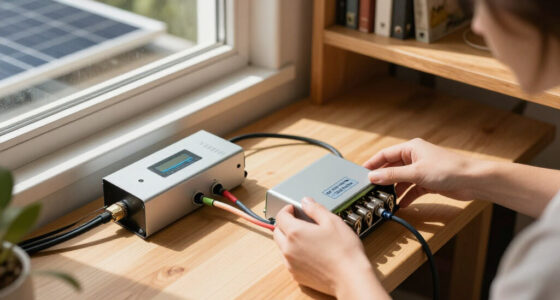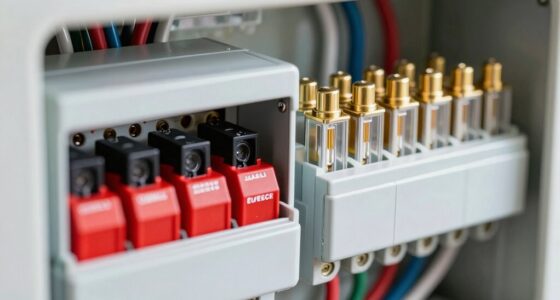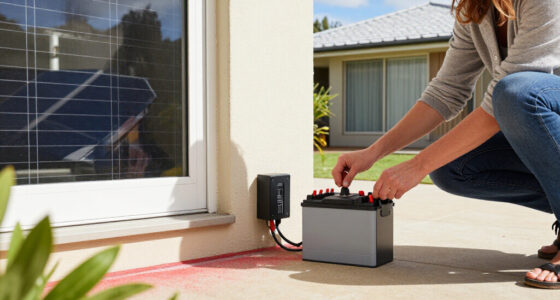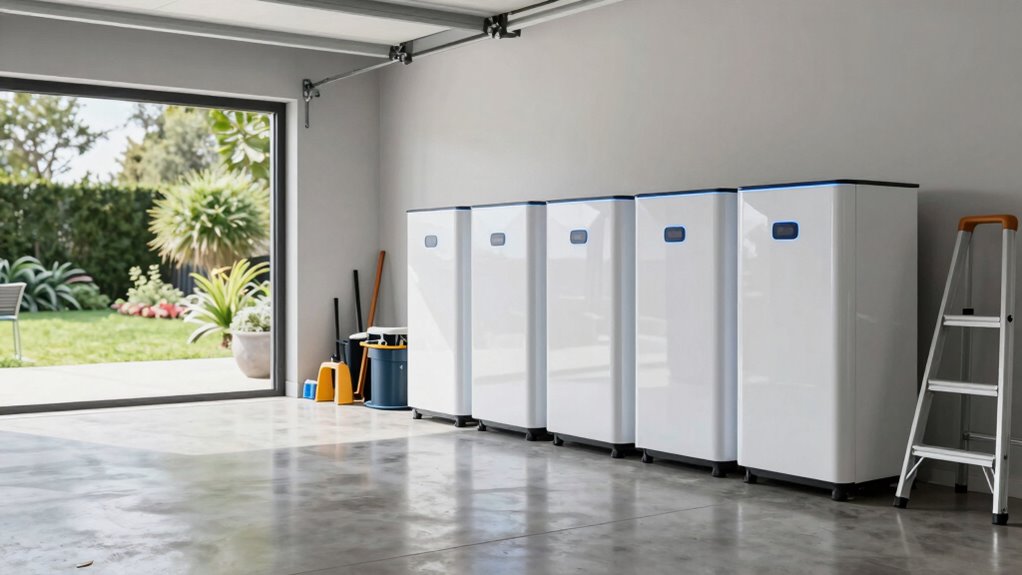
To plan for future home energy storage expansion, choose modular, long-lasting batteries that easily integrate with existing systems. Stay informed about evolving technologies, policies, and incentives that can impact your setup. Opt for systems supporting advanced grid communication, allowing for seamless upgrades and better energy management. Considering flexibility now guarantees smoother upgrades later, saving you money and hassle. Keep exploring to learn how to make your system truly future-proof and take full advantage of upcoming innovations.

Get backup power and energy gear delivered free — and shop member deals
- Fast, free delivery on millions of items
- Access to Prime Big Deal Days deals on October 6–7
- Prime Video, Amazon Music and more included
Key Takeaways
- Plan for modular, scalable systems to easily add capacity as your energy needs grow.
- Prioritize batteries with long lifespans and compatibility to reduce future replacement costs.
- Stay informed on technological advances for seamless upgrades and improved performance.
- Ensure grid integration capabilities to optimize energy management and participate in demand response programs.
- Consider future policies, incentives, and system flexibility to maximize long-term value and sustainability.
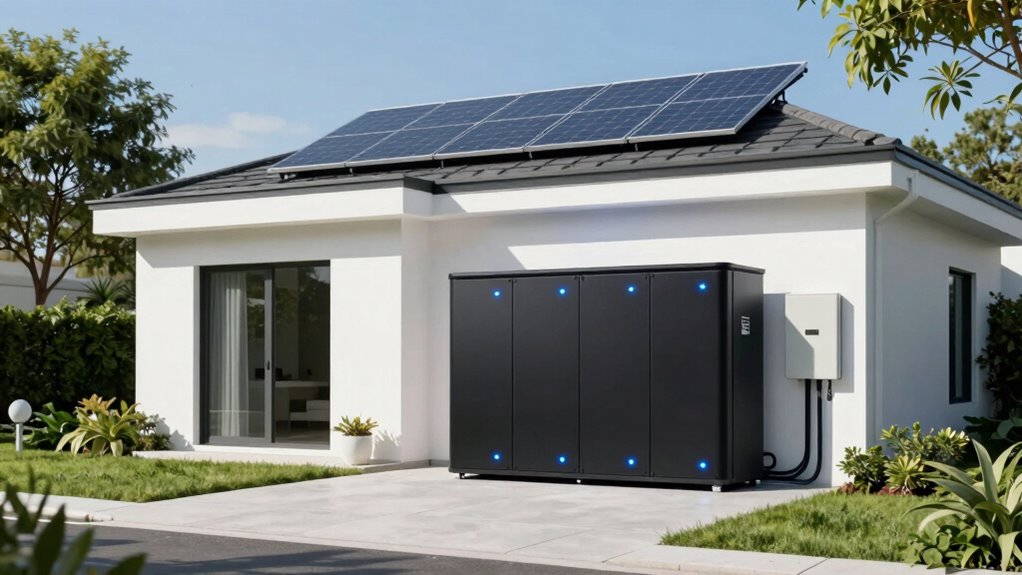
As you consider expanding your home energy storage system later, it’s important to think strategically about your future needs and the evolving technology landscape. One key factor to keep in mind is the battery lifespan. While current batteries are designed to last several years, their capacity gradually diminishes over time. When planning for an expansion, you want to ensure that new batteries will integrate seamlessly with your existing setup and that their longevity aligns with your long-term goals. Investing in batteries with longer lifespans or those that are easily replaceable can save you headaches and costs down the line. Additionally, understanding how battery technology might improve over the next few years can help you make smarter choices now, ensuring your system remains efficient and reliable as it grows.
Another critical consideration is grid integration. Your home energy storage system doesn’t operate in a vacuum; it needs to work smoothly with the larger grid. As you expand, think about how your batteries will interact with grid demands, especially if you plan to participate in programs like demand response or net metering. A well-integrated system can help you maximize savings by storing excess solar energy during peak production times and feeding it back into the grid when prices are higher. It’s wise to choose a storage solution that supports advanced grid communication protocols, allowing your system to respond dynamically to grid signals and optimize energy flow. This way, you’ll not only improve your energy independence but also contribute to grid stability, especially as the renewable energy landscape becomes more complex. Considering the technology landscape can help you stay ahead of upcoming innovations and system compatibility. Staying informed about battery chemistry advancements is particularly valuable for ensuring your system benefits from the latest research and development.
Planning for expansion also involves anticipating future technology upgrades. As battery chemistries and energy management systems evolve, newer options might offer better performance, longer lifespans, or enhanced grid integration features. When selecting your initial setup, consider modular designs that allow you to add capacity without replacing entire systems. This flexibility lets you scale your storage as your energy needs grow or as new innovations become available. It’s also worth staying informed about policy changes, incentives, and utility programs that could influence your system’s expansion and integration strategies. Furthermore, exploring sustainable practices in system design can ensure your investment aligns with eco-friendly goals and community standards.
Ultimately, thoughtful planning today can make your future energy storage upgrades smoother and more cost-effective. By prioritizing battery lifespan and body piercing materials, you’ll ensure your system remains resilient, adaptable, and aligned with your long-term energy goals. Keep an eye on technological advancements, choose flexible solutions, and stay engaged with evolving energy policies to make the most of your home’s energy storage potential down the road.
modular home battery storage system
As an affiliate, we earn on qualifying purchases.
As an affiliate, we earn on qualifying purchases.
Frequently Asked Questions
What Are the Latest Advancements in Home Energy Storage Technology?
Recently, home energy storage technology has advanced considerably. You can now find batteries with improved longevity, meaning they last longer and save you money over time. Grid integration has also improved, allowing your storage system to communicate seamlessly with the grid for better energy management. These innovations make your home more efficient, reliable, and environmentally friendly, giving you greater control over your energy use and costs.
How Do Expansion Costs Compare Across Different Storage Systems?
You’ll find that cost comparisons for expansion vary widely, with lithium-ion systems often being pricier upfront but more scalable, while older lead-acid options offer lower initial costs but face scalability challenges. While expanding a home energy storage system, consider future needs; larger systems may seem costly now, but they reduce the need for frequent upgrades. Balancing initial costs against long-term scalability helps you choose the best system for your energy goals.
What Policies or Incentives Support Future Storage Expansion?
Policy incentives and regulatory support play vital roles in encouraging future storage expansion. You benefit from government grants, tax credits, and favorable regulations that make investing in home energy storage more affordable and attractive. These policies reduce upfront costs, streamline permitting processes, and promote grid integration, motivating you to expand your storage capacity. As these incentives grow, you’ll find it easier to upgrade and increase your storage system, supporting a cleaner, more resilient energy future.
How Can Homeowners Plan for Future Energy Storage Needs?
Like planting seeds for a future orchard, you should start financial planning now for energy storage expansion, considering both current costs and potential incentives. Evaluate installation considerations such as battery size, compatibility with your existing system, and future scalability. By staying informed on policy changes and technological advancements, you guarantee your home’s energy needs are met efficiently, allowing your energy landscape to grow just as the wise farmer anticipates future harvests.
What Are the Environmental Impacts of Expanding Storage Capacity?
Expanding your home energy storage can increase your environmental footprint if it relies on resource-intensive materials or energy-intensive manufacturing processes. To minimize impacts, choose storage solutions prioritizing resource sustainability, like batteries with recyclable components or lower environmental costs. Be mindful of the life cycle of storage systems, and consider how their production, usage, and disposal affect the environment, helping you make eco-friendly decisions for future expansion.
long-lasting home energy batteries
As an affiliate, we earn on qualifying purchases.
As an affiliate, we earn on qualifying purchases.
Conclusion
As you stand at the crossroads of energy choices, remember that expanding your home storage is like planting a seed for future growth. It may seem small now, but with patience and foresight, it can blossom into a robust system that powers your life’s journey. Think of it as building a sturdy bridge to tomorrow’s sustainable world—each step you take today paves the way for a brighter, energy-secure future.
home energy storage with grid integration
As an affiliate, we earn on qualifying purchases.
As an affiliate, we earn on qualifying purchases.
As an affiliate, we earn on qualifying purchases.
Halloween Picks
halloween
As an affiliate, we earn on qualifying purchases.