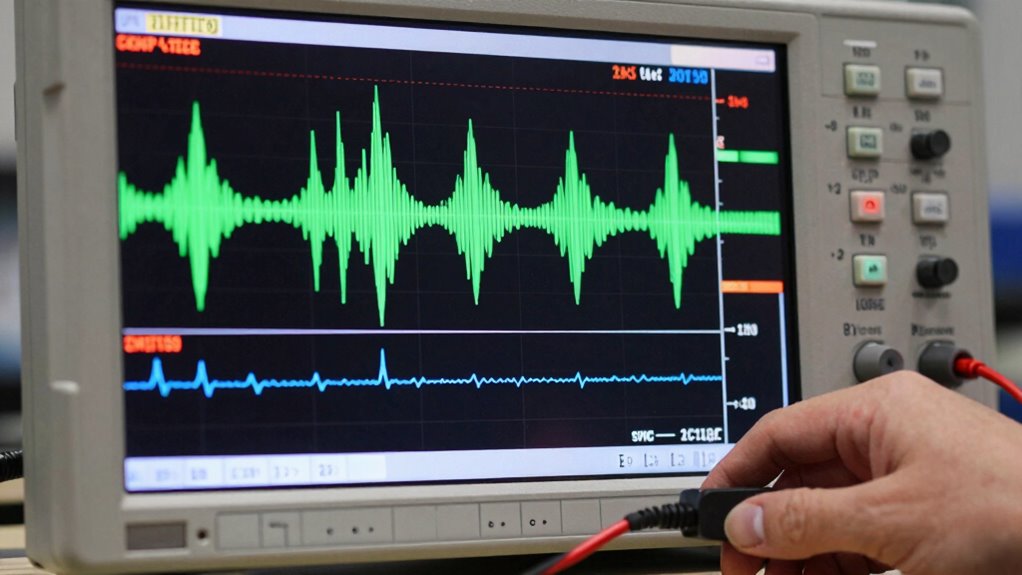

To understand battery charging profiles effectively, recognize that most batteries go through bulk, absorption, and float stages. These phases help manage charging speed and prevent overcharge, which maintains battery health and capacity. Choosing the right charger tailored to your battery’s profile, and using smart management systems, can extend its lifespan. Being aware of how different chargers and technologies impact charging efficiency allows you to optimize device performance—keep exploring to learn more about making the most of these profiles.

Get backup power and energy gear delivered free with Prime
- Fast, free delivery on millions of items
- Prime Video, Amazon Music and more included
- Member-only deals all year
Key Takeaways
- Understand the three main charging phases: bulk, absorption, and float, and their roles in battery health.
- Recognize how charging profiles vary based on battery chemistry and design for optimal performance.
- Use compatible chargers and management systems to balance fast charging with battery longevity.
- Monitor charging currents and voltages to prevent overcharging or overheating during different phases.
- Choose controlled, slower charging methods to extend battery lifespan and maintain capacity over time.
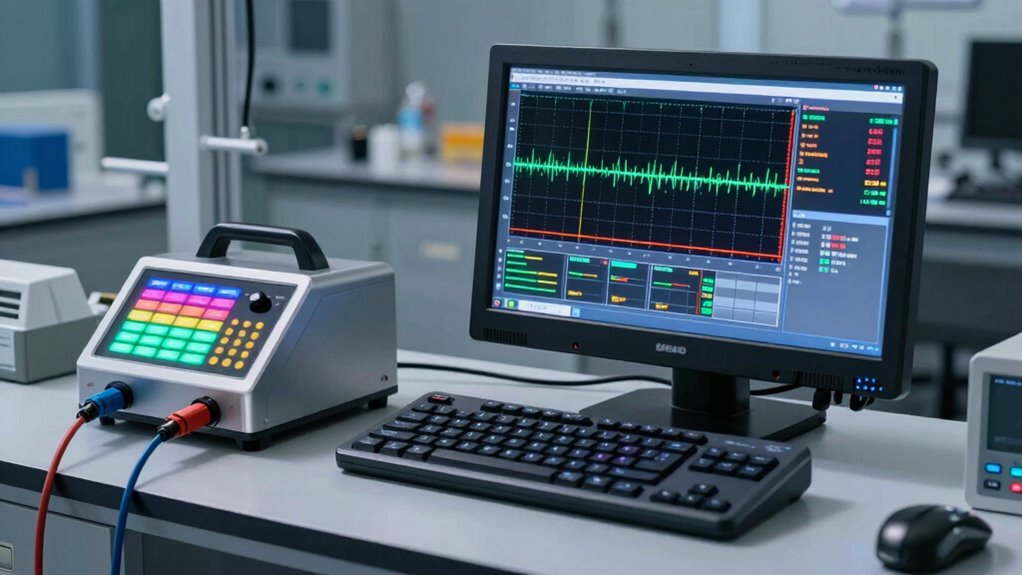
Understanding battery charging profiles can seem complicated, but grasping the basics is essential for optimizing battery life and performance. When you understand how different charging methods work, you can make smarter choices that extend your battery’s lifespan and improve charging efficiency. Not all charging methods are created equal, and knowing the differences helps you avoid damaging your battery or reducing its capacity over time.
Understanding charging profiles helps optimize battery health and performance over time.
At its core, a charging profile describes how a battery is charged over time, including voltage levels, current flow, and the stages of charging. Most batteries go through multiple phases: bulk, absorption, and float. During the bulk phase, the charger supplies maximum current to rapidly bring the battery up to a certain voltage. Then, in the absorption phase, the current decreases gradually as the voltage remains steady, allowing the battery to reach full capacity safely. Finally, in the float stage, the charger supplies a lower, maintenance-level current to keep the battery topped off without overcharging. Understanding these phases helps you manage your charging routines better, ensuring your battery doesn’t spend too much time in overcharge or undercharge states. Recognizing the importance of these phases can help you choose the right charging method for your device. Additionally, being aware of the battery chemistry involved can influence how you optimize the charging process. A good grasp of the charging phases can also aid in selecting the most suitable charger to protect your battery’s health over time.
Your goal should be to optimize charging efficiency by selecting chargers that match your battery’s specific profile. Using an incompatible charger can cause the battery to charge too quickly or too slowly, leading to unnecessary stress and wear. Fast chargers, for instance, may be convenient, but they often generate more heat and can accelerate battery degradation if used improperly. Conversely, slower, more controlled chargers may extend your battery’s lifespan, even if they take longer to reach full charge. By understanding your battery’s charging profile, you can strike a balance between speed and longevity, making sure your device remains reliable over time. battery management systems that incorporate security features and monitor the charging process can further optimize this balance. Additionally, understanding the charging phases helps you better appreciate how different chargers impact your battery’s health over time. Recognizing the charging rates that your device can handle safely is also key to avoiding potential damage during fast charging.
smart battery charger for lithium batteries
As an affiliate, we earn on qualifying purchases.
As an affiliate, we earn on qualifying purchases.
Frequently Asked Questions
How Do Different Battery Chemistries Impact Charging Profiles?
Different battery chemistries markedly impact charging profiles, affecting both battery lifespan and charging efficiency. For example, lithium-ion batteries require specific charging rates to prevent capacity loss, while nickel-based chemistries may tolerate faster charging. You need to tailor charging profiles to each chemistry to maximize lifespan and efficiency, avoiding overcharging or undercharging. Understanding these differences helps you optimize performance and extend your battery’s usable life effectively.
What Are the Signs of an Incorrect Charging Profile?
You’ll notice signs of an incorrect charging profile if your battery’s lifespan shortens unexpectedly or charging efficiency drops. Overcharging can cause overheating, while undercharging leads to poor performance. You might see inconsistent charge levels or slower charging times. Keep an eye out for these issues, as they indicate your charging profile isn’t ideal, which can harm your battery’s longevity and reduce its overall efficiency.
How Can I Modify Charging Profiles for Custom Battery Packs?
You can modify charging profiles for custom battery packs by adjusting the charging algorithms within your battery management system. Start by analyzing your battery’s specifications and performance needs, then tailor parameters like current rates, voltage limits, and cutoff points. Use specialized software to implement these changes, ensuring the new profile optimizes longevity and safety. Always test your modified profile thoroughly to confirm it maintains proper battery health and adheres to safety standards.
What Role Does Temperature Play in Charging Profile Effectiveness?
You might find that temperature considerably impacts charging efficiency, with studies showing batteries degrade 80% faster if overheated. Thermal management and temperature calibration are essential for ideal charging profiles. When temperatures stay within perfect ranges, chemical reactions occur smoothly, boosting battery life and safety. If you ignore temperature effects, you risk reduced capacity, faster aging, or even safety hazards. Proper thermal management guarantees your battery charges efficiently and lasts longer.
Are There Industry Standards for Optimal Charging Profiles?
Yes, industry standards exist for ideal charging profiles, focusing on battery safety and charging efficiency. These standards, like those from IEC and UL, specify voltage, current, and temperature limits to prevent overheating and damage. By adhering to these guidelines, you guarantee your batteries charge safely while maximizing lifespan and performance. Following established standards helps prevent hazards and maintains consistent charging efficiency across different devices and applications.
battery management system with charging profiles
As an affiliate, we earn on qualifying purchases.
As an affiliate, we earn on qualifying purchases.
Conclusion
By understanding battery charging profiles, you can optimize your device’s battery life and prevent premature wear. Some might think it’s too technical or complicated, but once you grasp the basics, it becomes straightforward. Remember, a little knowledge goes a long way in making smarter choices about charging habits. So don’t shy away—embrace these insights, and you’ll enjoy longer-lasting batteries and fewer frustrations down the line. It’s easier than you think!
multi-stage battery charger for deep cycle batteries
As an affiliate, we earn on qualifying purchases.
As an affiliate, we earn on qualifying purchases.
intelligent charging station for smartphones
As an affiliate, we earn on qualifying purchases.
As an affiliate, we earn on qualifying purchases.
Halloween Picks
halloween
As an affiliate, we earn on qualifying purchases.