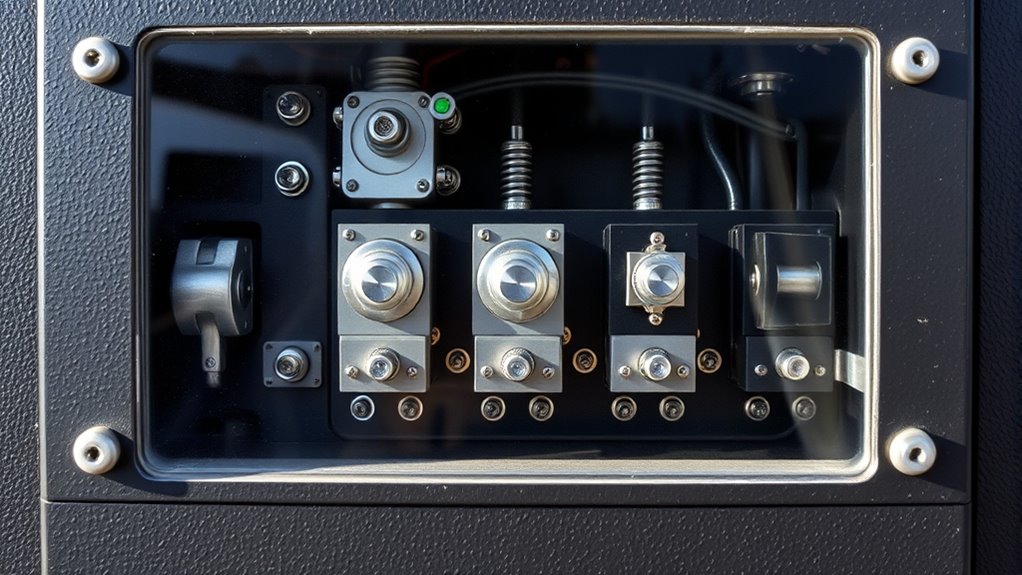
Generator interlocks prevent back-feeding power from your generator into utility lines, keeping everyone safe. They physically block the simultaneous connection of utility and generator power sources, reducing the risk of dangerous back-flow. However, interlocks do not replace proper installation, regular maintenance, or following electrical codes. To guarantee safe operation, you need to use them correctly and maintain them properly. Keep exploring to understand how these safety devices fit into your overall setup.
Key Takeaways
- Generator interlocks prevent simultaneous connection of generator and utility power, ensuring safe operation and avoiding back-feed.
- They do not replace proper installation, regular maintenance, or adherence to electrical codes.
- Interlocks physically block both power sources from being active at the same time when correctly installed.
- They are not a substitute for other safety measures like grounding and proper operation procedures.
- Regular testing and inspection are essential to confirm the interlock functions correctly and maintains safety.

Generator interlocks are safety devices designed to prevent dangerous electrical back-feeding between a generator and a utility power source. When you’re using a generator during a power outage, it’s essential to ensure that power doesn’t flow back into the utility lines, which could endanger utility workers or damage your equipment. Interlocks achieve this by physically preventing the simultaneous connection of the generator and utility power to your electrical panel, consequently maintaining a safe switching process.
Generator interlocks prevent dangerous back-feeding between generators and utility power sources, ensuring safe operation during outages.
Understanding the safety precautions associated with generator interlocks is fundamental. These devices are meant to be a key part of your overall safety plan during generator operation. They are not a substitute for proper installation or regular maintenance. Always follow manufacturer instructions and adhere to local electrical codes. Before installing an interlock, you should turn off the main breaker and ensure the generator is grounded properly. Never attempt to override or bypass the interlock system, as doing so can lead to hazardous back-feeding or electrical shock.
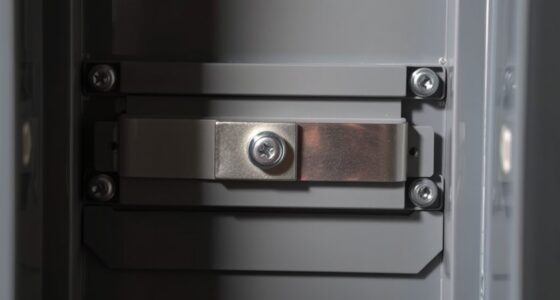
When it comes to installation guidelines, your primary focus should be on selecting a compatible interlock for your electrical panel. Most interlocks are designed to fit specific panel models, so verify compatibility before purchasing. Installing a generator interlock involves removing the cover of your breaker panel and securely affixing the device across the main breaker and the generator breaker. You’ll need to align the interlock’s slots or markings to ensure it blocks the utility breaker when the generator breaker is engaged, and vice versa. Proper installation guarantees that only one power source can be active at a time, eliminating the risk of dangerous back-feed.
Furthermore, it’s important to follow all manufacturer instructions carefully during installation. Use insulated tools, wear protective gear, and work in a dry environment to prevent electrical shock. Once installed, test the interlock thoroughly to confirm it functions correctly. This testing should be part of your routine safety precautions whenever you set up your generator system. Regular inspections can help identify wear or damage that might compromise its safety features. Remember, a well-installed and properly maintained generator interlock is a critical safety component, but it’s only one part of a complete safety plan that includes proper generator operation, grounding, and adherence to electrical codes. Additionally, understanding proper grounding techniques is essential to ensure overall electrical safety when using generator interlocks.

Generator Interlock Kit Compatible with Eaton Cutler Hammer BR SERIES 150 and 200 amp Panels, Generator Horizontal Electrical Interlock Kit, 1 1/4-1 7/16 inches Spacing Between Main and Branch Breaker
Safe and Reliable: Generator interlock kit for Eaton Cutler Hammer provide a safe and cost-effective way to backfeeding…
As an affiliate, we earn on qualifying purchases.
As an affiliate, we earn on qualifying purchases.
Frequently Asked Questions
Can Generator Interlocks Prevent All Power Transfer Issues?
Generator interlocks can’t prevent all power transfer issues since transfer limitations and safety protocols depend on proper system design and maintenance. While they help prevent dangerous back-feeding and ensure safe switching, they don’t cover every scenario. You need to follow thorough safety protocols, regularly test your interlocks, and consider additional protective devices to minimize risks. Relying solely on interlocks isn’t enough for complete safety during power transfers.
Are Generator Interlocks Compatible With All Types of Generators?
Imagine interlocks as gatekeepers standing at a crossroads, guiding diverse journeys safely. While they’re designed with flexibility, not all generator types fit perfectly; some may require specific interlock designs. You’ll need to check generator compatibility and guarantee the interlock system matches your generator’s make and model. Compatibility varies, so always verify that the interlock’s design aligns with your generator to keep everything running smoothly and safely.
Do Interlocks Require Regular Maintenance or Testing?
Yes, interlocks require regular maintenance and testing to guarantee proper operation. You should follow maintenance schedules and perform interlock calibration periodically to prevent malfunctions. Testing your interlocks helps identify issues early, maintaining system safety and reliability. By staying consistent with these practices, you minimize risks and ensure your generator interlocks function correctly when needed, providing peace of mind during power outages or emergencies.
Can Interlocks Be Bypassed or Disabled?
You shouldn’t bypass or disable interlocks, as doing so jeopardizes safety and compliance. An interlock bypass or interlock disabling can be tempting to troubleshoot issues, but it removes essential protection features. Always follow proper procedures and consult the manufacturer or qualified professionals instead of attempting to bypass or disable interlocks. Keeping interlocks active ensures safe generator operation and prevents accidental damage or injury.
What Are the Common Signs of Interlock Failure?
When interlock malfunctions, it’s like a warning signal blinking in your face. You might notice difficulty starting the generator, unusual noises, or the system failing to switch between power sources. Sometimes, the interlock may trigger false alarms or won’t engage at all. These warning signs tell you something’s off, and ignoring them risks equipment damage or safety hazards. Stay vigilant—trust those signals before things spiral out of control.

LiftCharger 50 Amp Generator to House Hook-up Kit for Square D Homeline 150/200/225 Amp Load Center, Including Generator Cord,Power Inlet Box,Panel Interlock Kit and Circuit Breaker
Convenient and Secure Connection: Designed for easy house hook-up, allowing you to safely connect the generator to your…
As an affiliate, we earn on qualifying purchases.
As an affiliate, we earn on qualifying purchases.
Conclusion
Understanding what generator interlocks do—and don’t do—can save you from costly mistakes. They prevent dangerous back-feeding, but don’t eliminate all risks without proper setup. Did you know that improper generator connections can cause power outages or even harm utility workers? By ensuring your interlocks are correctly installed and used, you protect your home and the people around you. Stay informed, stay safe, and always follow manufacturer guidelines when operating your generator.
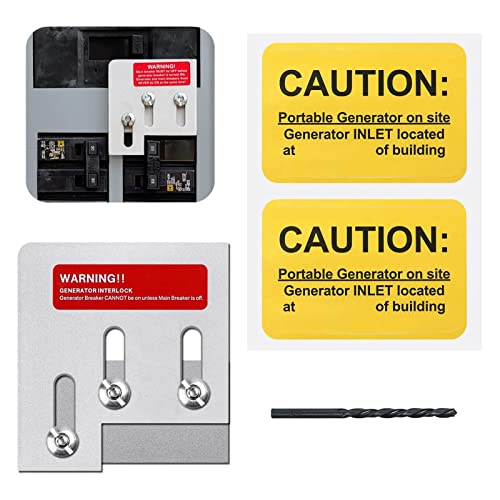
Natupal Generator Interlock Kit Compatible with Square D QO or Homeline 150 or 200 amp panels. 1 3/8 inches Spacing between main and generator breaker, Professional and Interlock Kit (SD200A)
【Compatible Models】Generator Interlock Kit Compatible with Square D QO or Homeline 150 or 200 amp panels.
As an affiliate, we earn on qualifying purchases.
As an affiliate, we earn on qualifying purchases.
Generator Interlock Kit Compatible with Eaton Cutler Hammer BR SERIES 150 and 200 amp Panels, Generator Horizontal Electrical Interlock Kit, 1 1/4-1 7/16 inches Spacing Between Main and Branch Breaker
Safe and Reliable: Generator interlock kit for Eaton Cutler Hammer provide a safe and cost-effective way to backfeeding…
As an affiliate, we earn on qualifying purchases.
As an affiliate, we earn on qualifying purchases.