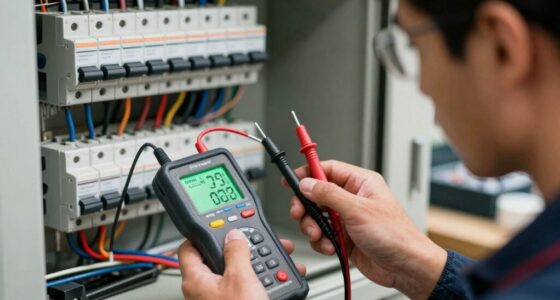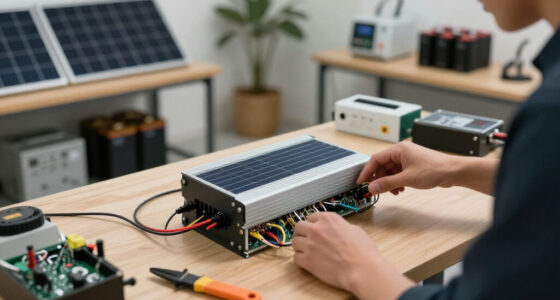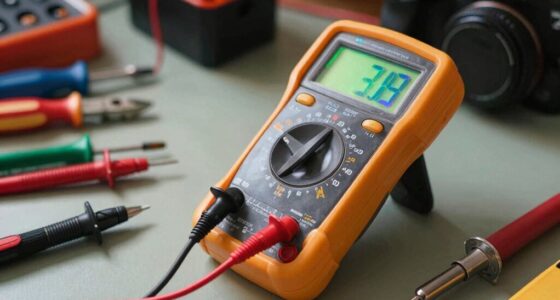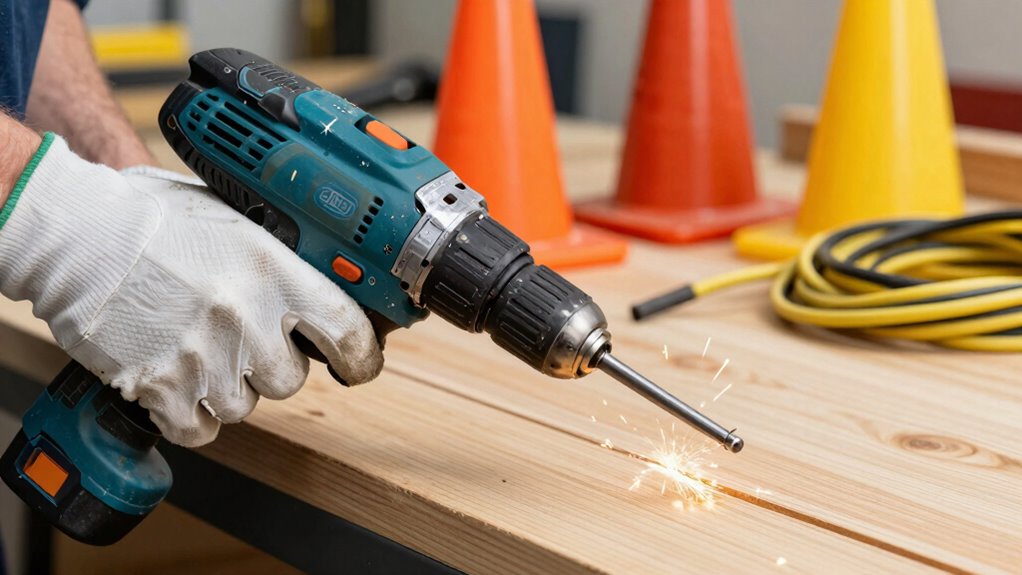

To think about electrical tool safety the right way, always prioritize wearing the proper PPE, like safety glasses and insulated gloves. Check your equipment for damage, faults, or wear before use, and make certain tools are grounded and in good working condition. De-energize tools before adjustments and keep your workspace clean. Stay alert for signs of faulty equipment and follow safety protocols consistently. Keep learning about potential hazards so you can protect yourself better—there’s always more to discover.
Listen free for 30 days with Audible
Thousands of audiobooks and originals — cancel anytime.
As an affiliate, we earn on qualifying purchases.
Key Takeaways
- Always prioritize proper PPE to minimize injury risks from electrical tools.
- Regularly inspect equipment for damage or faults before use.
- Ensure tools are properly grounded and connected to grounded outlets.
- De-energize and unplug tools before maintenance or adjustments.
- Stay informed about safety standards and develop hazard awareness continuously.

When working with electrical tools, safety should always be your top priority. You need to be aware of potential hazards and take proactive steps to protect yourself. One of the most important ways to do this is by wearing the right personal protective equipment (PPE). This includes safety glasses to shield your eyes from sparks or debris, insulated gloves to prevent electrical shocks, and hearing protection if you’re working in a noisy environment. PPE acts as your first line of defense against unexpected accidents and helps minimize injury severity. But safety gear alone isn’t enough. You also need to cultivate strong electrical hazard awareness, which involves understanding the risks associated with each tool and recognizing unsafe conditions before they cause harm.
Before you even plug in a tool, inspect it carefully. Check cords for frays or damage, ensure switches work smoothly, and verify that grounding plugs are secure. Recognizing signs of faulty equipment is vital because defective tools can cause shorts, sparks, or shocks. When handling electrical tools, always assume that cords and plugs are live unless confirmed otherwise—never take shortcuts by assuming a device is safe. Properly grounding your tools and using grounded outlets reduces the risk of electric shock, especially when working in damp or outdoor environments. Developing a habit of regularly testing your tools with a voltage tester can also help identify live electrical parts and prevent accidental contact. Additionally, understanding the importance of proper electrical grounding can significantly enhance your safety practices. It’s also crucial to stay informed about new safety standards to keep your safety routines current and effective.
You should also develop the habit of de-energizing tools before making adjustments or changing attachments. Always unplug or turn off the device, then double-check that it is completely disconnected from the power source. This simple step prevents accidental startup, which can lead to serious injuries. Remember, even a momentary lapse in electrical hazard awareness can have severe consequences. Keep your workspace tidy and free of clutter, which can cause accidental contact with live parts or trip hazards. Knowing where the electrical sources and switches are located ensures you can respond quickly in an emergency. Being familiar with electrical safety protocols can further improve your safety practices.
As an affiliate, we earn on qualifying purchases.
Frequently Asked Questions
How Often Should Electrical Tools Be Inspected for Safety?
You should inspect your electrical tools before each use and perform thorough maintenance regularly. Inspection frequency depends on how often you use the tools—daily inspections are ideal for frequent use, while less frequent use might require weekly checks. Proper tool maintenance guarantees safety and prolongs the lifespan of your equipment. Always look for damaged cords, loose parts, or signs of wear, and fix issues immediately to prevent accidents.
What Should I Do if My Electrical Tool Sparks?
If your electrical tool sparks, stop using it immediately. Check for proper electrical grounding and inspect for any signs of circuit overloads or damaged parts. Unplug the tool and avoid using it until you identify and fix the issue. Sparks often indicate a potential electrical fault, which could cause shocks or fires. Always prioritize safety, and consider consulting a professional electrician if you’re unsure about the problem or how to fix it.
Are There Specific Safety Gear Requirements for Different Tools?
Yes, different tools require specific safety gear. For example, when using power saws, wear eye protection and hearing guards, while insulated gloves are essential for electrical work. Always use personal protective equipment tailored to each tool to prevent injuries. Regular tool maintenance guarantees safety devices function correctly. By understanding these requirements, you reduce risks and stay safe while working with various electrical tools.
How Do I Properly Store Electrical Tools to Maintain Safety?
You should store electrical tools in a clean, dry, and organized space, avoiding damp environments that could cause corrosion or short circuits. Regularly check and maintain batteries to prevent leaks or failures. Use appropriate storage containers or cabinets to keep tools off the floor and protected from damage. Ensuring proper storage environments not only preserves your tools but also minimizes safety risks, making your workspace safer and more efficient.
What Are Common Signs of Electrical Tool Malfunction?
You’ll notice electrical tool malfunctions through signs like damaged electrical insulation, which exposes wires, or compromised cord integrity, such as frayed or cracked cords. You might also experience frequent tripping of circuit breakers, sparks, or unusual sounds. Always inspect tools before use, and if you see any of these signs, stop using the tool immediately. Proper maintenance and regular checks help prevent accidents caused by electrical issues.
safety glasses for electrical work
As an affiliate, we earn on qualifying purchases.
As an affiliate, we earn on qualifying purchases.
Conclusion
Think of electrical tool safety as tending a delicate garden; your careful attention and respect are what keep everything flourishing. Each tool is like a seed—powerful but fragile if mishandled. By following safety guidelines, you’re watering and nurturing your garden, ensuring it grows strong and vibrant. Remember, your vigilance is the sun that keeps hazards at bay. With this mindset, you’ll cultivate a safe workspace where every project blossoms beautifully and securely.
As an affiliate, we earn on qualifying purchases.
As an affiliate, we earn on qualifying purchases.
NFL season / tailgating Picks
team gear
As an affiliate, we earn on qualifying purchases.