If your furnace won’t start after a power outage, first check the thermostat wires for loose or damaged connections—turn off the power before inspecting. Next, verify the circuit breaker hasn’t tripped and is properly rated for your furnace, resetting it if needed. If these steps don’t solve the issue, you may need to examine other electrical components. Continue exploring to understand how to safely troubleshoot and resolve power-related furnace problems effectively.
Key Takeaways
- Verify the circuit breaker is not tripped or stuck, and reset if necessary.
- Inspect thermostat wiring for loose, damaged, or disconnected wires before powering on.
- Turn off power at the breaker before handling electrical components to ensure safety.
- Confirm the breaker’s rating matches your furnace’s electrical requirements.
- Contact a professional HVAC technician if the breaker keeps tripping or issues persist.
Are you experiencing issues with your furnace not turning on or running smoothly? After a power outage, it’s common to worry about what went wrong and how to fix it quickly. One of the first things to check is the power supply to your furnace, which involves inspecting thermostat wiring and ensuring circuit breaker safety. These simple steps can save you time and prevent unnecessary service calls.
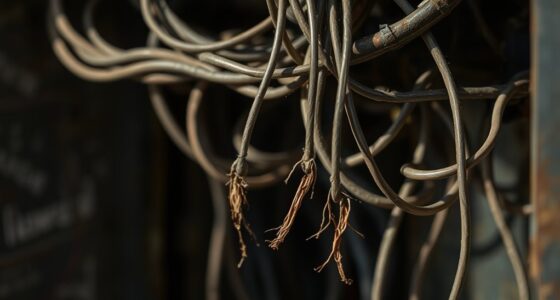
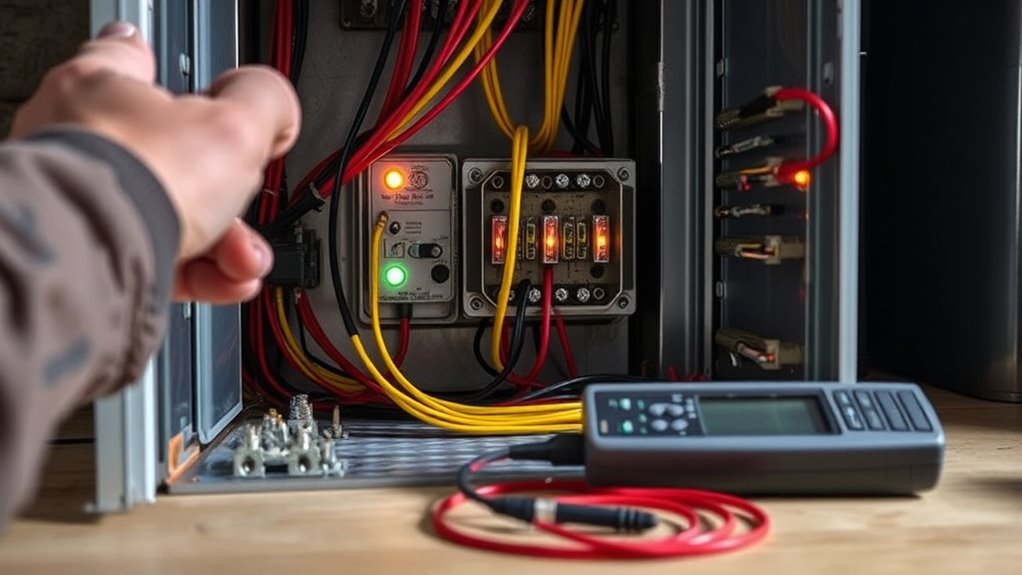
Start by examining the thermostat wiring. Your thermostat acts as the control center for your heating system, so if the wiring is loose, damaged, or disconnected, your furnace may refuse to turn on. Turn off the power at the circuit breaker before removing the thermostat cover. Carefully check the wiring connections, making sure all wires are securely attached to their respective terminals. Look for any corrosion, frayed wires, or signs of damage. If you notice any issues, replace or repair the wiring before restoring power. Sometimes, after an outage, wires can shift or become loose, so a quick inspection can often resolve the problem.
Check thermostat wiring for loose, damaged, or disconnected wires before restoring power.
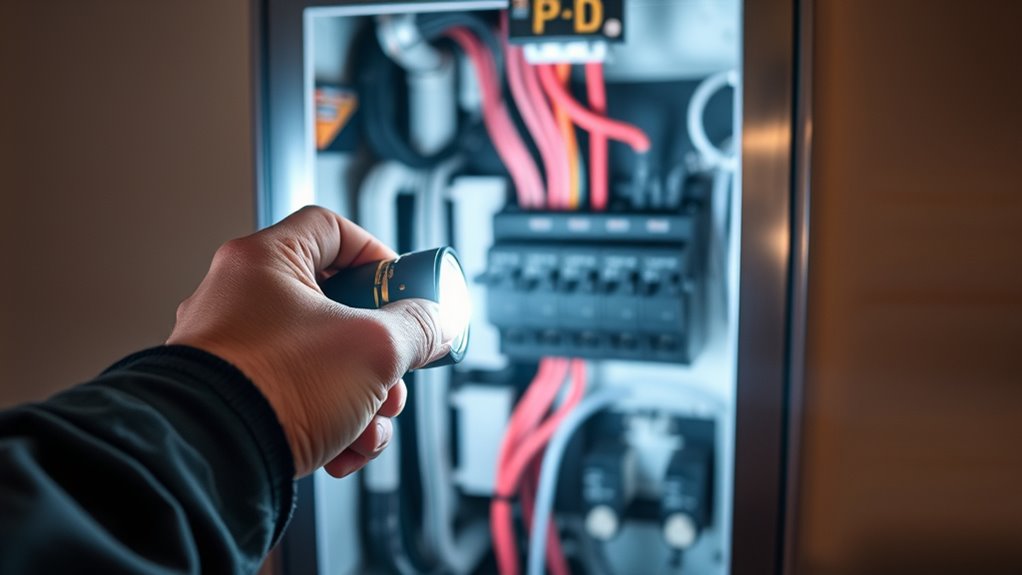
Next, focus on circuit breaker safety. Power outages can trip the breaker or cause it to malfunction. Locate your main electrical panel and find the breaker that supplies power to your furnace. Check if it’s in the off position or if the breaker has tripped to the neutral or off setting. If you see the breaker in a tripped position, switch it fully off, then back on to reset it. Do not force it if it’s stuck; instead, turn off all appliances connected to that circuit and call an electrician if it won’t reset properly. It’s also wise to verify that the breaker is rated correctly for your furnace’s power requirements. If your breaker keeps tripping after reset, that indicates a potential wiring issue or overload, which should be handled by a professional.
Always remember that safety comes first. If you’re unsure about working with electrical components, or if resetting the breaker doesn’t restore power, don’t hesitate to contact a qualified HVAC technician. They can perform a thorough inspection of your furnace’s power side, including checking the wiring, breakers, and other electrical connections, ensuring everything is safe and functioning properly. Additionally, understanding electrical components can help you better communicate with professionals and understand the repairs needed. By paying attention to thermostat wiring and circuit breaker safety, you take vital steps toward restoring your furnace’s operation after a power outage. These checks can prevent further damage and keep your home warm and safe.
Frequently Asked Questions
How Do I Reset My Circuit Breaker Properly?
To reset your circuit breaker properly, first locate your electrical panel and identify the breaker labeled for your furnace. Switch the breaker to the “Off” position, then wait a few seconds. Next, flip it back to the “On” position firmly. Follow these resetting procedures carefully to guarantee your circuit breaker resets correctly and safely. If it trips again, it’s best to consult an electrician.
What Safety Precautions Should I Take During Power Checks?
When performing power checks, you should prioritize grounding safety and proper electrical testing. Always turn off the power before starting, wear insulated gloves, and use tools with insulated handles. Confirm the circuit is grounded correctly to prevent shocks, and double-check connections. Keep your work area dry and clear of clutter, and never touch live wires. These precautions help protect you from electrical hazards and ensure accurate testing.
Can a Tripped GFCI Outlet Affect My Furnace?
Yes, a tripped GFCI outlet can affect your furnace. If your furnace is plugged into a GFCI outlet, it might shut off when the GFCI trips, cutting power to the unit. Check the GFCI outlet and reset it if needed. Also, verify your circuit breaker hasn’t tripped. Reset the breaker if it’s off, ensuring the furnace receives proper power and can run again.
How Often Should I Inspect the Power Supply Connections?
You should inspect your power supply connections at least once a year to prevent issues caused by power surges or loose wiring. Regular checks help identify any loose wires or signs of wear that could disrupt your furnace’s operation. After a storm or power fluctuation, it’s wise to re-examine connections to guarantee everything is secure. Staying proactive reduces the risk of electrical problems and keeps your furnace running smoothly.
What Are Signs of Electrical Damage in the Furnace Wiring?
Imagine your furnace wiring as the nervous system of your home. Signs of electrical damage include scorched or melted wiring, frayed insulation, or burn marks near terminals. If you notice sparks, tripped breakers, or burning smells, these are warning signals of electrical damage. Such issues can cause your furnace to fail after an outage. Always inspect your furnace wiring carefully and call a professional if you suspect damage to keep your system safe and functional.
Conclusion
Remember, a problem shared is a problem halved. If your furnace won’t run after an outage, start by checking the power supply, circuit breakers, and switches. Sometimes, the fix is simple, like resetting a breaker or replacing a fuse. Don’t overlook these basics before calling in a pro. Staying proactive and patient can save you time and money—after all, a stitch in time saves nine. Keep these checks in mind, and you’ll be back warm in no time.