When your lights dim during appliance startup, it often signals a voltage drop caused by high-power devices drawing too much current. This can be a sign of electrical issues like overloads, outdated wiring, or insufficient capacity, which may weaken your system over time or cause damage. Ignoring these signs can lead to more serious problems, including fires. Keep exploring to understand how to spot and fix these electrical clues before they become costly.

Get backup power and energy gear delivered free — and shop member deals
- Fast, free delivery on millions of items
- Access to Prime Big Deal Days deals on October 6–7
- Prime Video, Amazon Music and more included
Key Takeaways
- Dimming lights indicate a voltage drop caused by high current draw during appliance startup.
- It signals potential electrical system issues, such as overloads or outdated wiring.
- Repeated dimming can weaken electrical components and increase fire risk.
- It may reflect insufficient capacity or the need for dedicated circuits for heavy appliances.
- Professional assessment is essential to prevent damage and ensure electrical safety.
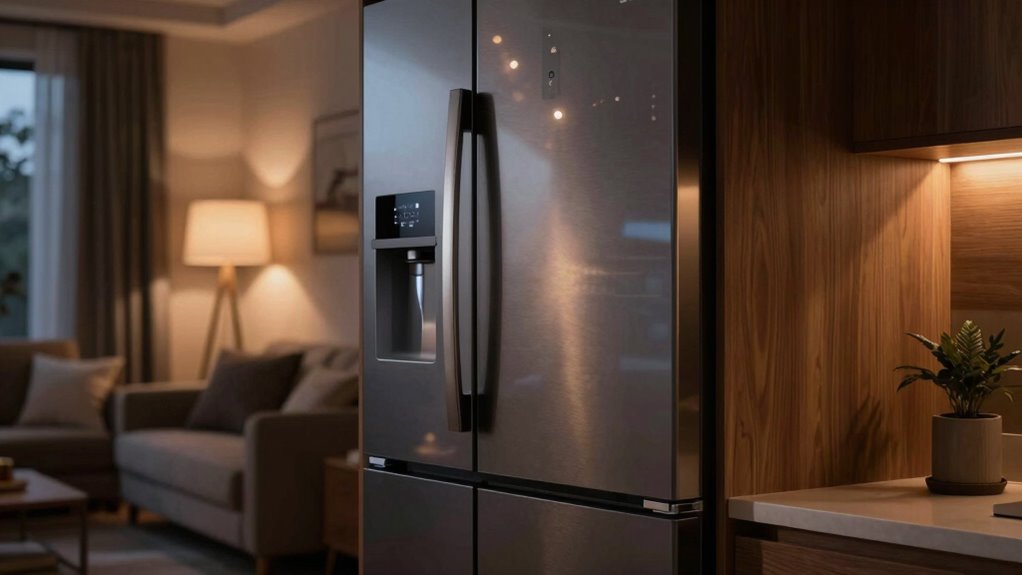
If your lights flicker or dim when you turn on a large appliance, it’s more than just a minor annoyance—it’s a sign that something might be wrong with your electrical system. When starting up big appliances like refrigerators, air conditioners, or washing machines, a sudden power draw occurs, which can cause the voltage in your home’s wiring to drop temporarily. This voltage drop leads to your lights dimming, signaling an underlying issue that requires attention.
One common cause of dimming lights during appliance startup is a power surge. A power surge happens when there’s a sudden spike in electrical voltage, often triggered by the initial startup of high-power devices. These surges can strain your electrical system, especially if they occur frequently or if your wiring isn’t equipped to handle such fluctuations. Over time, repeated power surges can weaken your electrical components, increasing the risk of damage or fire. If your lights flicker or dim during appliance startup, it’s an indication that your system is experiencing these sudden voltage changes, which could be a sign of larger electrical problems.
Power surges from high-load devices can strain electrical systems and cause damage over time.
Another factor to examine is electrical overload. An overload occurs when your electrical system is asked to supply more power than it’s designed to handle. When you turn on a large appliance, it draws a significant amount of current, which can cause a temporary drop in voltage if your wiring is outdated or not sufficient for your household’s demands. This overload can lead to dimming lights because the electrical current isn’t being distributed evenly or effectively. Over time, persistent overloads can cause overheating of wires, damage to appliances, and even electrical fires. If your lights regularly dim during appliance startups, it suggests that your electrical system might be overloaded or not properly configured to support your household’s power needs.
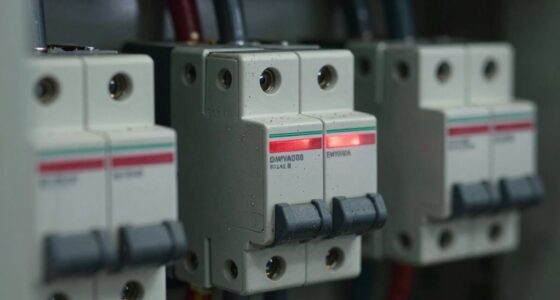
Addressing this issue involves inspecting your wiring and possibly upgrading your electrical panel or circuits to handle higher loads. An electrician can evaluate whether your system is capable of managing your appliances’ power demands without causing flickering or dimming. They might recommend installing dedicated circuits for heavy appliances or adding surge protection devices to mitigate power surges. Additionally, considering home electrical maintenance can help prevent such issues from recurring. Using home theatre projectors with high-quality components and proper calibration can help minimize electrical disturbances that affect your home’s overall electrical stability. Ignoring these signs can lead to more serious electrical failures or safety hazards, so it’s best to get a professional assessment sooner rather than later. Remember, consistent dimming lights during appliance startup aren’t just a nuisance—they’re a warning sign that your electrical system needs attention.
surge protector for home appliances
As an affiliate, we earn on qualifying purchases.
As an affiliate, we earn on qualifying purchases.
Frequently Asked Questions
Can Dimming Lights Indicate an Electrical Short?
Yes, dimming lights can indicate an electrical short or circuit overload. When an electrical short occurs, it causes a sudden surge of current, which can temporarily reduce the voltage available to your lights, making them dim. Similarly, circuit overloads happen when too many appliances draw power simultaneously, leading to dimming. Both issues signal potential problems in your wiring that should be inspected by a professional to prevent fire hazards or damage.
How Often Should I Check My Electrical System for Issues?
Like a trusty sidekick in your home’s safety, you should check your electrical system at least once a year. During lighting maintenance, inspect for flickering or dimming lights, which can signal circuit safety issues. If you notice unusual behavior, such as frequent dimming during appliance startup, it’s time to call a professional. Regular checks help catch problems early, preventing potential hazards and ensuring your electrical system stays in top shape.
What Are the Risks of Ignoring Dimming Lights?
Ignoring dimming lights can lead to serious risks like electrical fires or damage to your appliances. Lighting flicker and power fluctuation indicate issues in your electrical system, such as overloaded circuits or faulty wiring. If you don’t address these signs promptly, you risk costly repairs and potential safety hazards. Always take dimming lights seriously, and consult an electrician to diagnose and fix the underlying problem before it worsens.
Can Dimming Lights Affect Other Electronic Devices?
Yes, dimming lights can affect other electronic devices. When lighting flickers or you experience power fluctuation, it indicates unstable electrical current, which can cause sensitive electronics to malfunction or get damaged. Devices like computers, TVs, and chargers rely on consistent power. Ignoring these signs might lead to decreased lifespan or data loss, so it’s important to address electrical issues promptly to protect all your electronic equipment.
What Professional Tests Confirm Electrical Problems From Dimming?
To confirm electrical problems from dimming lights, you should get professional tests like voltage fluctuation analysis and circuit integrity assessments. These tests reveal hidden issues such as unstable voltage or compromised wiring, which could be causing the dimming during appliance startup. Don’t ignore the signs—trust experts to diagnose the root cause, ensuring your system’s safety and preventing future damage. Suspense lingers until you uncover the true nature of the problem.
As an affiliate, we earn on qualifying purchases.
Conclusion
So, if your lights flicker and fade during appliance start-up, don’t dismiss it as mere inconvenience. Instead, see it as a subtle sign, a small signal of a possibly serious issue lurking. Pay attention, and promptly pursue proper power, protection, and prevention. Recognize the warning, heed the hint, and handle the hazard before it harms. Dimming lights during device debut isn’t just a disturbance—it’s an essential cue calling for care and caution.
dedicated circuit breaker for heavy appliances
As an affiliate, we earn on qualifying purchases.
As an affiliate, we earn on qualifying purchases.
home electrical surge protection device
As an affiliate, we earn on qualifying purchases.
As an affiliate, we earn on qualifying purchases.
Fall Picks
fall essentials
As an affiliate, we earn on qualifying purchases.