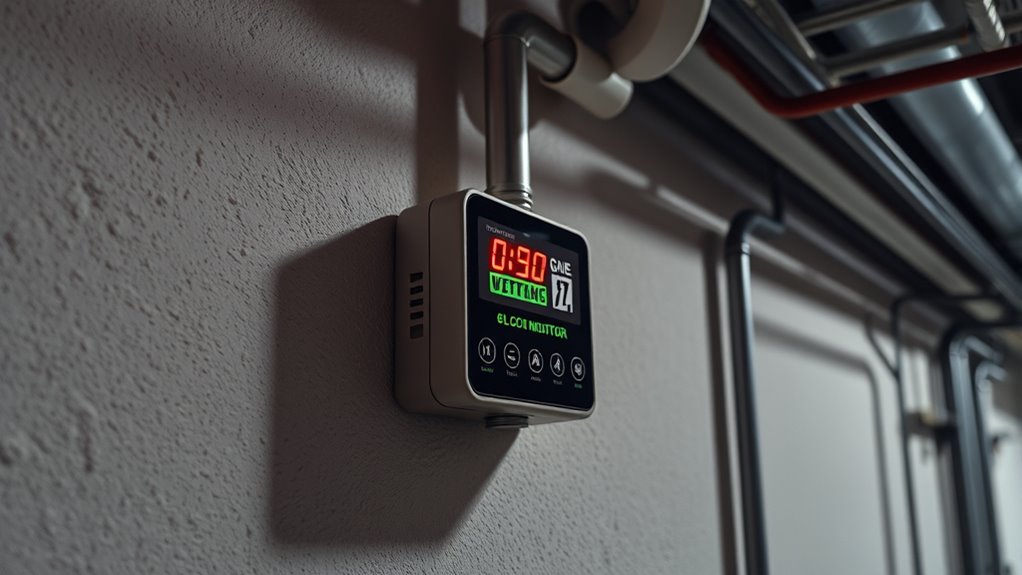

During outages, your carbon monoxide monitor is likely to be less reliable, so ensuring it’s working properly is vital for your safety. Regularly check and replace batteries, clean dust from sensors, and verify alarms functioning to prevent false readings or failures. Outdated or damaged units can’t alert you when danger strikes. Staying proactive with maintenance helps keep your protection intact. Keep going to discover how to make sure your monitor stays effective when you need it most.
Key Takeaways
- Regularly test and maintain your CO monitor to ensure it functions properly during power outages.
- Use battery backups or portable units to keep CO detection active when main power is lost.
- Replace batteries at least once a year and check low-battery alerts to prevent false alarms.
- Replace outdated or malfunctioning units immediately to maintain reliable detection during outages.
- Keep the device clean and verify alarms periodically to ensure proper operation when power is restored.

When CO monitors experience outages, your safety can be at risk because these devices are vital for detecting dangerous carbon monoxide levels. If your monitor isn’t working properly, you might not realize there’s a threat lurking in your home, which could lead to serious health consequences or even death. That’s why it’s essential to stay vigilant about your device’s functionality, especially when it comes to battery maintenance and alarm troubleshooting. Regularly checking and replacing batteries ensures your CO monitor remains operational. Many units rely on batteries, and a weak or dead battery can cause the alarm to fail, giving you a false sense of security. It’s a good habit to replace batteries at least once a year or whenever you hear the low-battery alert, if your device has one. This simple step can prevent false alarms or, worse, total device failure during an emergency. Ensuring your device’s reliability and proper functioning is crucial for your safety. Alarm troubleshooting is equally important. Sometimes, your CO monitor may produce a false alarm or fail to sound when it detects dangerous levels. When this happens, start by inspecting the device for any visible issues. Check that it’s properly plugged in or that the batteries are correctly installed if it’s battery-operated. If your monitor has a reset button, use it to restart the device. Many units also have a test button—press it to verify that the alarm sounds properly. If the alarm doesn’t activate, you might need to replace the batteries immediately or consider replacing the entire unit if it’s old or malfunctioning. Additionally, ensure that your monitor isn’t obstructed by dust, dirt, or other debris, which can interfere with its sensors. Cleaning the device gently with a dry cloth can help maintain its accuracy. Understanding the significance of battery maintenance and alarm troubleshooting can make all the difference in keeping your CO monitor reliable. If your device continues to malfunction despite these efforts, it’s wise to replace it. Outdated or damaged monitors can give false readings or fail to alert you in time, putting your household at risk. Remember, these devices are your first line of defense against carbon monoxide poisoning. Keeping them in top shape isn’t just about compliance; it’s about protecting your loved ones and ensuring peace of mind. Regular maintenance and prompt troubleshooting are simple steps that go a long way in safeguarding your home from invisible, odorless danger. Don’t wait until it’s too late—stay proactive to keep your environment safe.

Vilfet 5-in-1 Carbon Monoxide Detectors, Natural Gas Leak Detector, Plug-in & Battery Backup Portable Co Detector, Co Gas Temp Humidity Sensor, HD Display Screen Vilfet, 1-Pcs, Black
5-in-1 Detectors – Real-time monitoring of carbon monoxide(PPM), combustible gas (%LEL), temperature(°F), humidity(RH%) and Backup Battery.
As an affiliate, we earn on qualifying purchases.
As an affiliate, we earn on qualifying purchases.
Frequently Asked Questions
How Often Should I Replace My CO Monitor Batteries?
You should replace your CO monitor batteries at least once a year to guarantee it functions properly. Regular battery replacement helps maintain the device’s lifespan estimation and keeps it reliable during emergencies. Check your specific model’s instructions, as some may require more frequent changes, especially if it’s been a while since the last replacement. Always test your CO monitor after replacing the batteries to confirm it’s working correctly.
Can a CO Monitor Detect Other Hazardous Gases?
A CO monitor primarily detects carbon monoxide, but many multi-gas detectors include sensors for other hazardous gases like oxygen depletion, hydrogen sulfide, or methane. However, these devices need regular sensor calibration to guarantee accuracy. While some advanced monitors can detect multiple gases simultaneously, always verify your device’s capabilities. Relying solely on a CO monitor for other hazards isn’t enough; consider multi-gas detection for exhaustive safety.
What Should I Do if My CO Alarm Sounds During an Outage?
If your CO alarm sounds during an outage, you should immediately evacuate the area and call emergency services. This is a critical fire safety and emergency preparedness step to protect yourself and others. Do not ignore the alarm or try to disable it. Ventilate the space if possible, and wait for professionals to assess the situation. Stay outside until it’s confirmed safe, ensuring your safety and reducing risk.
Are There Any Specific Maintenance Tips for CO Monitors?
To keep your CO monitor reliable, regularly check sensor calibration as recommended by the manufacturer, usually annually. Follow placement guidelines carefully—install it at eye level, away from vents or direct sunlight. Test the device monthly, replace batteries as needed, and keep it clean from dust and debris. Proper maintenance guarantees accurate readings, helping you stay safe in case of carbon monoxide presence.
How Can I Tell if My CO Monitor Is Malfunctioning?
You can tell if your CO monitor is malfunctioning if it gives false alarms or fails to detect carbon monoxide when needed. Check if the sensor calibration is up-to-date; outdated calibration can cause inaccurate readings. Also, pay attention to unusual behavior like constant alarms or no response. Regular testing and maintenance help guarantee your monitor functions properly, keeping you safe from dangerous CO exposure.
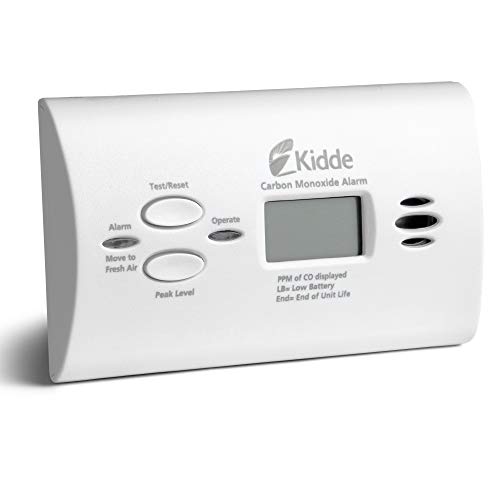
Kidde Carbon Monoxide Detector, AA Battery Powered CO Alarm with LEDs, Test-Reset Button, Low Battery Indicator, Portable
Electrochemical sensor technology detects CO gas
As an affiliate, we earn on qualifying purchases.
As an affiliate, we earn on qualifying purchases.
Conclusion
Remember, your safety hinges on being prepared. When outages strike, CO monitors are your first line of defense—don’t overlook them. Stay vigilant and trust your equipment to keep you safe. After all, it’s better to be safe than sorry, especially when every breath counts. Keep your CO monitors in top shape and never take chances with your well-being. Your life depends on it, so stay alert and stay protected.
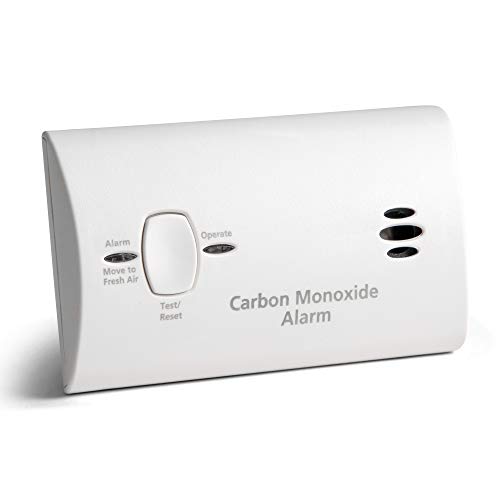
Kidde Carbon Monoxide Detector, Battery Powered CO Alarm with LEDs, Test-Reset Button, Low Battery Indicator, Portable
Electrochemical sensor technology detects CO gas
As an affiliate, we earn on qualifying purchases.
As an affiliate, we earn on qualifying purchases.
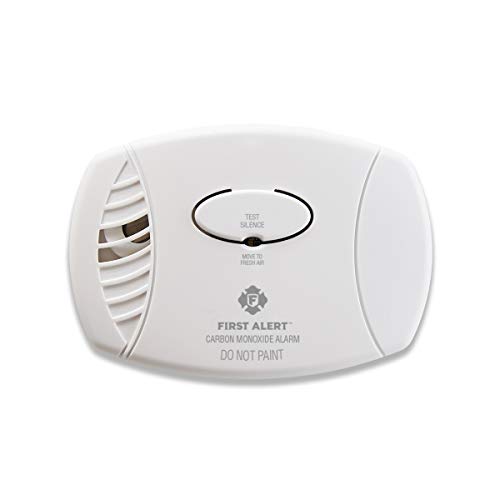
First Alert CO400 Carbon Monoxide (CO) Detector, Battery Operated Alarm, 1-Pack
Keep your family safe with this easy to use, battery operated carbon monoxide alarm; Battery powered alarms provide…
As an affiliate, we earn on qualifying purchases.
As an affiliate, we earn on qualifying purchases.