
To keep essentials running longer during load shedding, prioritize powering critical devices like medical equipment and communication tools, while switching off non-essentials such as TVs and gaming consoles. Use energy-efficient appliances and reduce overall power use to conserve backup systems like generators or inverters. Regularly check fuel and battery levels and maintain your systems to prevent failures. If you continue exploring, you’ll discover practical tips to maximize your backup power and stay prepared.
Key Takeaways
- Prioritize powering critical appliances like refrigerators, medical devices, and communication tools during outages.
- Use manual or transfer switches for quick, seamless switching to backup power sources.
- Limit the use of non-essential devices such as TVs and gaming consoles to conserve energy.
- Regularly maintain and check backup systems, including fuel levels and battery charges, to ensure reliability.
- Implement energy-saving practices like using LED lights and energy-efficient appliances to extend backup power duration.
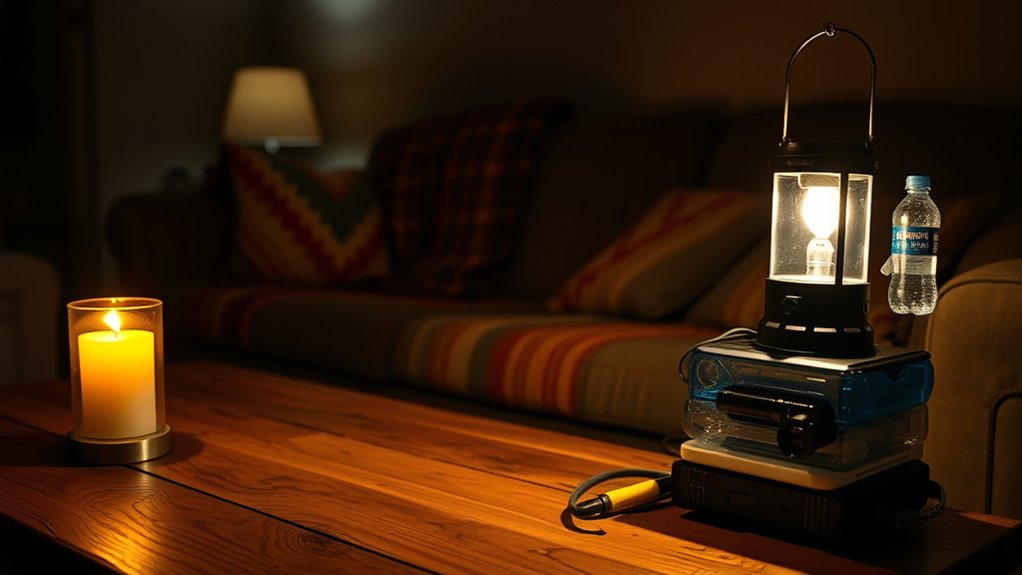
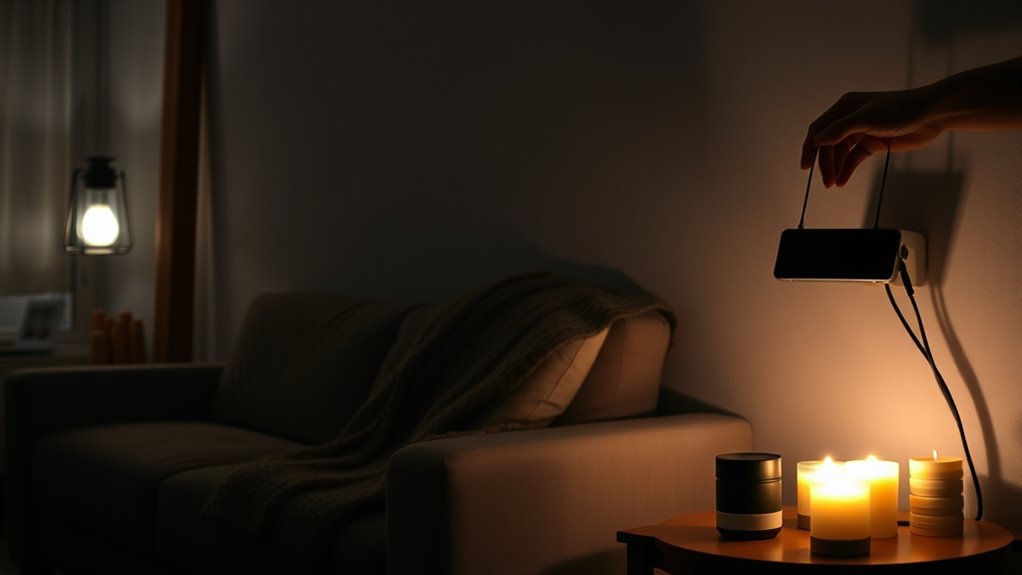
Have you ever experienced sudden power outages that disrupt your daily routine? It’s frustrating when your plans are interrupted, especially when essential appliances and devices suddenly go dark. During load shedding, you quickly realize how important energy conservation becomes. By reducing unnecessary power use, you can stretch your backup power supply longer, guaranteeing that your most critical devices stay operational. Small changes like turning off unused lights, unplugging devices that aren’t in use, and avoiding high-energy appliances can make a remarkable difference. The goal is to make your backup power last as long as possible, so you can keep essential appliances running without interruption.
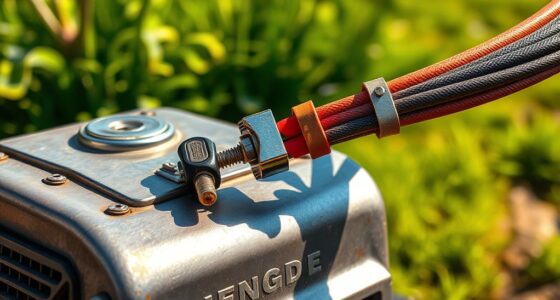
Investing in a reliable backup power solution, such as a generator or inverter system, can give you peace of mind during outages. When load shedding hits, these systems provide the power needed to keep your refrigerator, lights, and communication devices functioning. To maximize their efficiency, it’s essential to understand how to operate and maintain them properly. Regularly check fuel levels if you have a generator, and ensure your inverter batteries are charged and in good condition. Proper maintenance prevents unexpected failures and prolongs the lifespan of your backup power system, making sure you’re prepared for each blackout.
Another way to extend the runtime of your backup power is by prioritizing what’s essential. Identify critical devices—like your fridge, medical equipment, or communication tools—and keep them powered first. Less important items, such as TVs or gaming consoles, can wait until power is restored. This approach helps conserve energy and guarantees that your backup power isn’t drained on non-essentials. Furthermore, consider setting up a manual switch or transfer switch that allows you to easily switch between main power and backup power without hassle. This saves time and guarantees a seamless transition when outages occur.
In addition to backup power, practicing energy conservation habits can remarkably reduce your reliance on these systems. Use energy-efficient appliances, switch to LED lighting, and limit the use of high-power devices during load shedding. These habits not only extend the time your backup power lasts but also decrease your overall energy consumption, which benefits both your wallet and the environment. Remember, the less energy you use during outages, the longer your backup power will serve you. Staying prepared and mindful of your energy use can make load shedding less disruptive, helping you maintain a sense of normalcy despite the interruptions. Regularly monitoring your generator and inverter systems can help ensure they are ready to serve when needed.
Top picks for "load shedd home"
Open Amazon search results for this keyword.
As an affiliate, we earn on qualifying purchases.
Frequently Asked Questions
How Can I Prevent My Electronics From Damage During Load Shedding?
To prevent your electronics from damage during load shedding, you should use surge protection devices to guard against power surges. Additionally, maintain your batteries properly if you’re using backup power sources like UPS or generators. Regularly check and charge batteries to make sure they’re ready when needed. These steps help protect your devices and keep them functioning smoothly during power interruptions.
What Are the Best Backup Power Options for Household Use?
You should consider battery backups or generators as your best backup power options for household use. Battery backups are quiet, fuel-efficient, and easy to install, providing immediate power during outages. If you need longer-lasting power, a generator can be fuel-efficient if chosen carefully and maintained properly. Both options help keep your essentials running smoothly, protecting your electronics and ensuring comfort during load shedding.
How Long Do Portable Generators Typically Last During Outages?
Think of your portable generator as a trusted partner in a storm. Typically, it lasts 8 to 12 hours during outages with proper generator maintenance and maximum fuel efficiency. Regularly check and service it to prevent breakdowns. If you use it wisely—only powering essentials—you extend its runtime. Remember, keeping your generator in top shape ensures it’s ready to serve when you need it most, giving you peace of mind.
Can Solar Power Systems Be a Reliable Solution for Frequent Load Shedding?
Yes, solar power systems can be a reliable solution for frequent load shedding if you maintain your solar panels regularly and optimize your battery storage efficiency. Proper solar panel maintenance guarantees maximum energy absorption, while efficient batteries store excess energy for cloudy days or extended outages. This combination helps keep essentials running longer, providing a sustainable, cost-effective backup that reduces your reliance on traditional power sources during load shedding.
What Safety Precautions Should I Take With Backup Power Sources?
You should always prioritize fire safety and proper grounding when using backup power sources. Make certain your generator or solar system is installed correctly, following manufacturer guidelines, and keep it away from flammable materials. Use ground-fault circuit interrupters (GFCIs) to prevent electrical shocks. Regularly inspect cords and connections for damage, and never overload your system. These precautions safeguard your home and family while keeping essentials powered during outages.
Conclusion
By staying prepared and managing your essentials wisely, you can weather load shedding like a sturdy oak in a storm. Keep your batteries charged, use energy-efficient devices, and prioritize what truly matters. Remember, the darkness might be temporary, but your resilience can shine brighter than any flickering light. With a little planning, you’ll turn setbacks into opportunities, proving that even in shadow, your home can stay a beacon of comfort and hope.