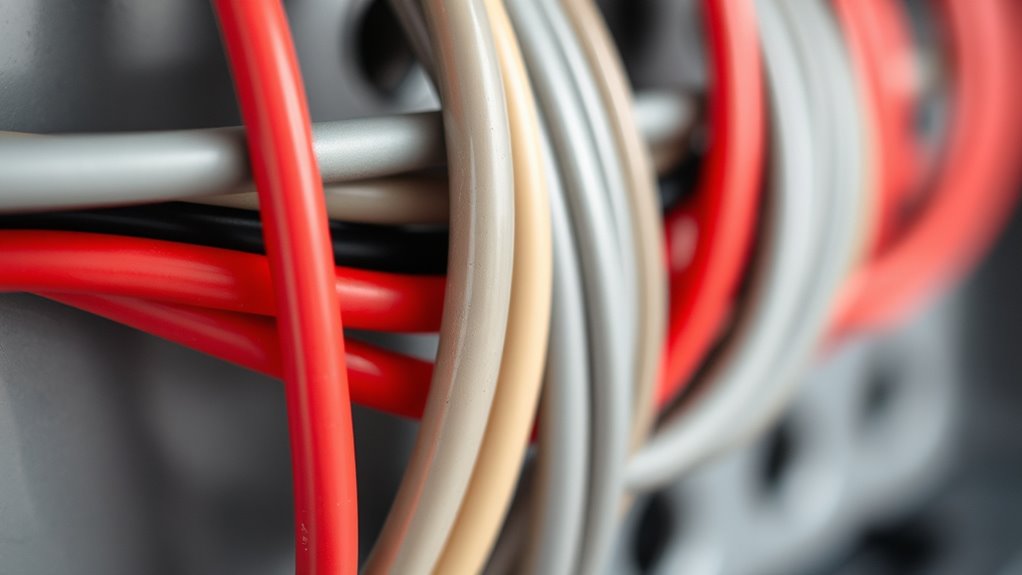

A neutral wire is a crucial part of your home’s electrical system that completes the circuit and provides a safe return path for current. It helps prevent shocks, maintains system balance, and guarantees your devices work properly. Without a properly functioning neutral wire, you could face flickering lights, shocks, or safety hazards. Understanding its role is important for safety and troubleshooting—stay tuned to learn how to identify and address neutral wire issues.
Key Takeaways
- The neutral wire completes the electrical circuit by providing a return path for current, ensuring proper device operation.
- It helps maintain system stability and prevents voltage fluctuations within electrical systems.
- Proper neutral wiring enhances safety by reducing shock risks and preventing electrical faults or fires.
- Neutral wires are typically color-coded white or gray for easy identification and safe handling.
- Faulty or improperly connected neutral wires can cause flickering lights, shocks, and equipment damage.
Understanding the Basics of Electrical Circuits
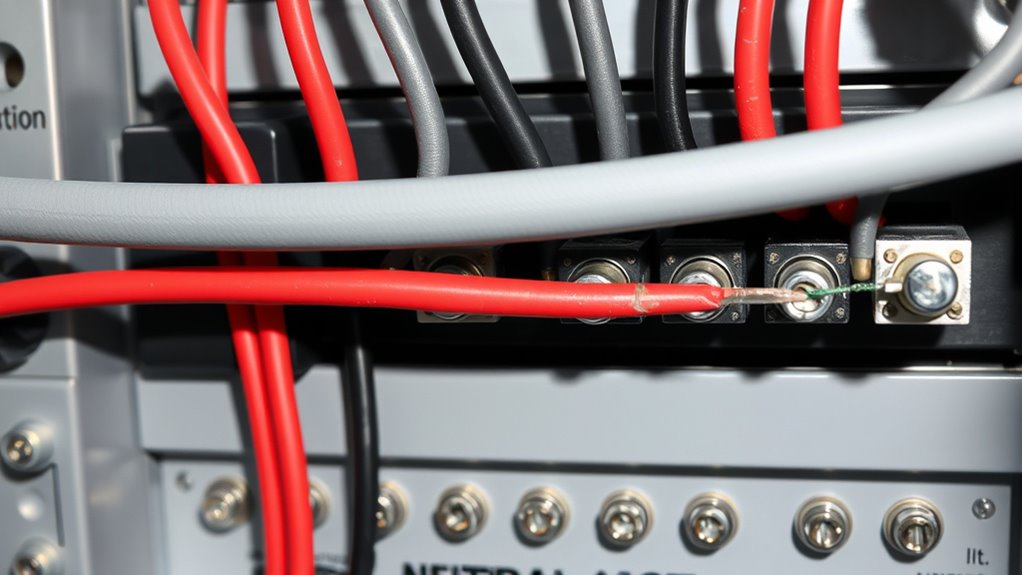
Electrical circuits are the pathways that allow electricity to flow and power your devices. When you understand these circuits, you see how grounding systems play a crucial role in safety, providing a safe path for excess electricity. The electrical load, or the amount of power your appliances draw, determines how much current flows through the circuit. Proper wiring ensures that this load is balanced and managed to prevent overloads, which can cause fires or damage. Grounding systems help protect you by redirecting stray electricity away from your appliances and yourself. Knowing how circuits work, including how the load impacts current flow, helps you appreciate the importance of correct wiring and grounding, ensuring your home remains safe and your devices function properly.
The Role of the Neutral Wire in Your Home

The neutral wire plays a vital role in completing the electrical circuit in your home. Without it, your devices wouldn’t function properly, and safety could be compromised. It connects back to grounding systems, helping to prevent electrical shocks and fires. It also ensures proper general ledger coding, which is essential for accurate financial management in utility billing and other services. When your circuit breakers detect a fault, the neutral wire ensures the current safely returns, protecting you and your appliances. Proper wire sizing is crucial to prevent overheating and ensure safe operation. Additionally, understanding the benefits of proper grounding can help you appreciate the importance of the neutral wire in maintaining overall safety. Proper grounding and circuit balance are key to preventing electrical hazards and ensuring efficient system performance. Maintaining electrical safety standards helps minimize risks associated with improper wiring. Imagine the peace of mind knowing your home’s electrical system is balanced and secure. Here’s how the neutral wire impacts you:
| Effect | Impact |
|---|---|
| Grounding systems | Keep you safe during electrical faults |
| Circuit breakers | Stop dangerous current flow |
| Home safety | Minimize risk of shocks and fires |
| Appliance protection | Prevent damage from electrical issues |
| Peace of mind | Confidence in your electrical system |
How a Neutral Wire Completes the Circuit
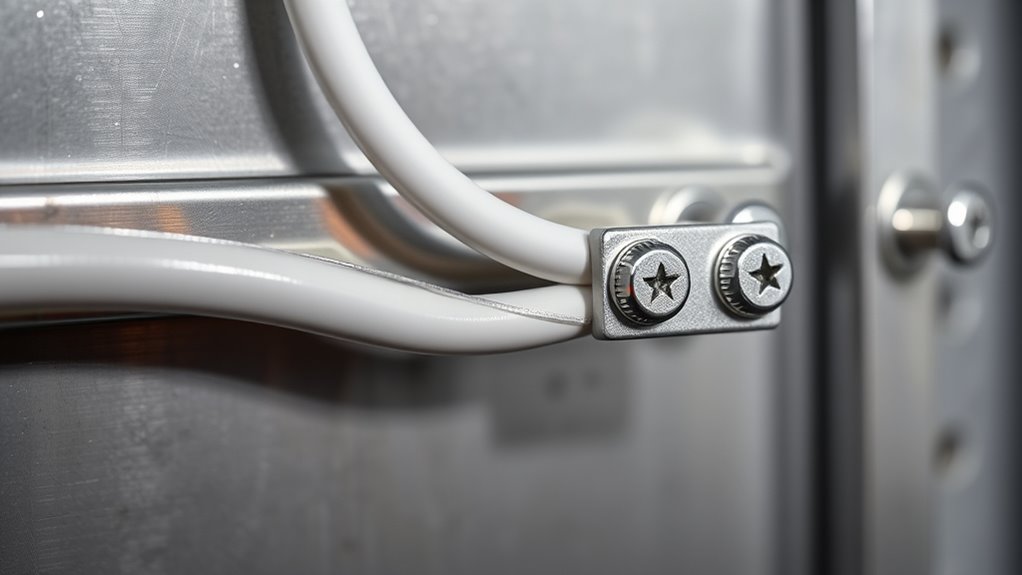
Your neutral wire provides a path back to ground, which is essential for completing the electrical loop. When appliances are on, electricity flows through the hot wire and returns via the neutral wire, closing the circuit. Without this return path, the circuit remains incomplete, and devices won’t work properly or safely. Proper cost and budgeting considerations ensure safe and efficient electrical system installations, preventing unexpected expenses or safety hazards. Additionally, understanding the electrical circuit helps in maintaining a safe and functional setup. Knowing how the French Press Operation works can be comparable to understanding the flow of electricity in a circuit, where each component plays a crucial role in the overall performance. Recognizing the role of the neutral wire is vital for troubleshooting and ensuring overall safety in electrical systems, especially considering the importance of vibrational energy in maintaining optimal functioning.
Path to Ground
Understanding how a neutral wire completes the circuit is crucial for safe and proper electrical wiring. The path to ground is an essential part of this process, providing a safe route for current to return to the source. Grounding systems connect electrical components to the earth, helping to prevent shocks and equipment damage. Electrical grounding ensures that if a fault occurs, excess current flows directly into the ground instead of through you or other unintended paths. The neutral wire, connected to the grounding system, acts as the return path for current, maintaining a balanced circuit. This connection helps stabilize voltage levels and reduces the risk of electrical hazards, making your home safer and ensuring your electrical system functions correctly. Additionally, proper sizing and load‑planning of your electrical system helps prevent overloads and potential safety issues. Understanding how a neutral wire interacts with other system components, including circuit breakers, enhances overall electrical safety and system reliability. Proper understanding of Grounding systems can also help troubleshoot electrical issues more effectively. Regular inspections and understanding the home wiring layout can further improve safety and system performance.
Completing Electrical Loop
A neutral wire plays an essential role in completing the electrical loop, allowing current to flow back to the power source after passing through your appliances or devices. Without it, the circuit remains open, and electricity can’t return safely. Grounding systems work alongside the neutral wire to prevent electrical shocks by providing a safe path to earth in case of faults. Circuit breakers detect excess current and shut off power, ensuring safety if there’s a short circuit or overload. When your device operates, current flows from the hot wire through the appliance and back via the neutral wire, completing the loop. This continuous flow is crucial for proper operation and safety, as it keeps the circuit closed and prevents potential electrical hazards. Understanding the role of neutral wires is key to maintaining electrical safety in your home. Additionally, proper wiring practices help prevent electrical hazards and ensure your system functions correctly, especially when considering the importance of vetted wiring standards for safety and reliability. Proper installation of neutral wires according to electrical codes further reduces the risk of faults and enhances system safety. Being aware of the importance of correct wiring can help you identify potential issues early and maintain a safe electrical environment in your home.
Differences Between Hot, Neutral, and Ground Wires
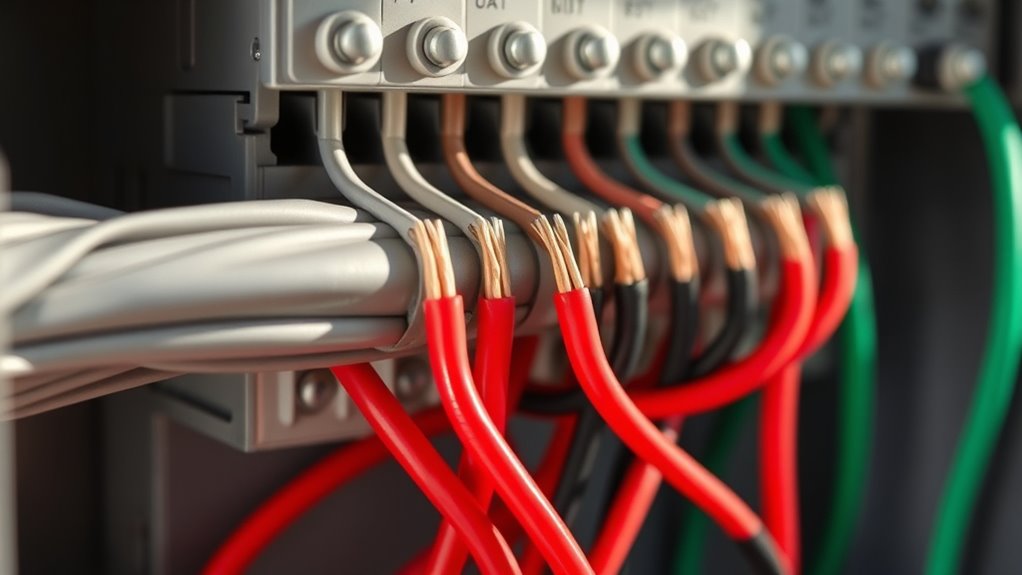
Hot, neutral, and ground wires each serve a specific purpose in an electrical system, and knowing the difference is crucial for safety and proper operation. The neutral wire terminology refers to its role in completing the electrical circuit by carrying current back to the power source. Typically, color coding standards help you identify these wires: black or red for hot, white for neutral, and green or bare copper for ground. The hot wire delivers voltage, the neutral provides a return path, and the ground offers a safe route to prevent shocks if a fault occurs. Understanding these distinctions ensures you handle electrical systems safely and correctly, avoiding potential hazards. Recognizing the color coding standards also helps you quickly identify each wire’s function during inspections or repairs. Proper knowledge of installation procedures is essential for ensuring safety and compliance when working with electrical wiring, especially considering modern electrical standards and practices. Additionally, being aware of electrical safety precautions can significantly reduce the risk of accidents and injuries, making it important to stay informed about safety codes and regulations. Being familiar with electrical system components can further enhance your understanding of how these wires work together for safe operation.
Signs That Your Neutral Wire Might Be Faulty
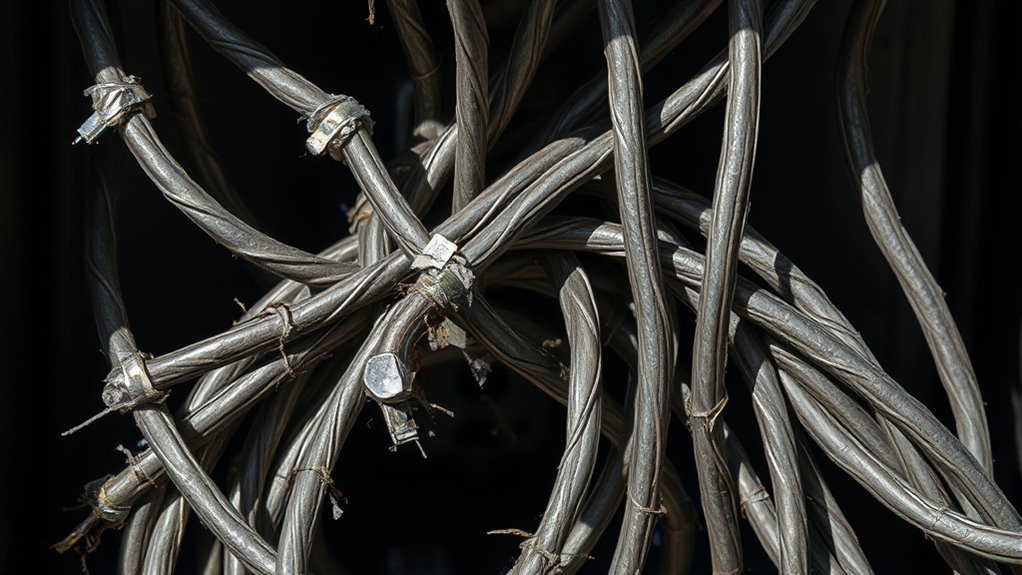
When your neutral wire isn’t functioning properly, you might notice unusual electrical behavior around your home. Flickering lights, frequent breaker trips, or appliances that don’t operate correctly are common signs. You may also experience electrical shocks when touching certain devices. If you’ve recently installed eco friendly materials or experimented with wireless power setups, faulty neutral wiring could cause unexpected issues. A compromised neutral can lead to inconsistent voltage levels, risking damage to sensitive electronics. Pay attention to burning smells or discolored outlets, as these may indicate a serious problem. Regular inspections and professional testing are essential to identify and fix issues before they cause more extensive damage or hazards. Understanding the importance of a proper grounding system can help prevent some of these issues and ensure electrical safety in your home.
The Importance of Proper Neutral Wire Connections
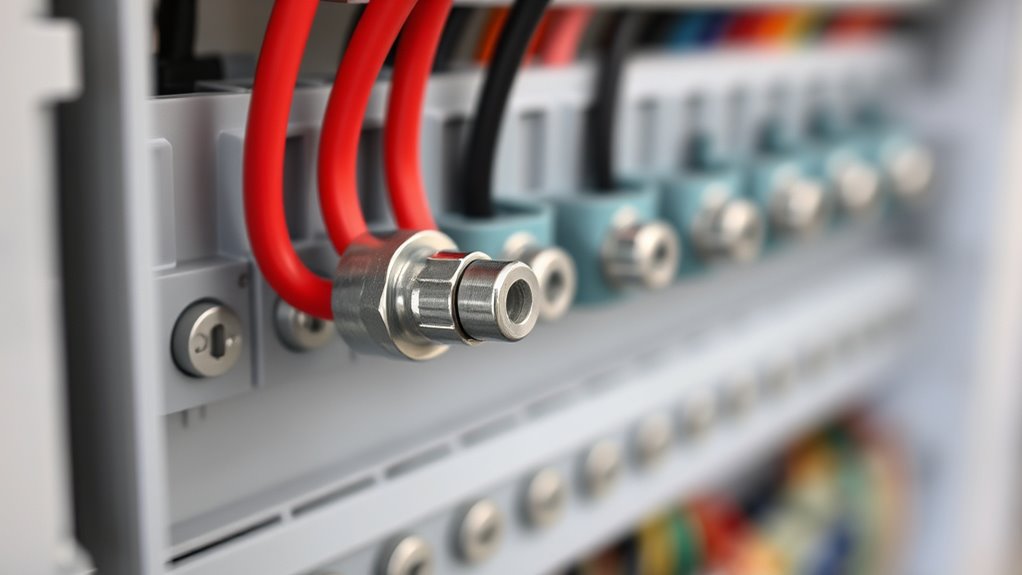
Making sure your neutral wire is properly connected is essential for meeting electrical safety standards and preventing hazards. Incorrect wiring can lead to circuit malfunctions or damage to your appliances. By following correct wiring practices, you protect yourself and ensure your electrical system works reliably.
Ensuring Electrical Safety Standards
Ensuring proper neutral wire connections is essential for maintaining electrical safety standards in your home. Incorrect connections can cause dangerous shocks or electrical fires. To stay safe, focus on these key areas:
- Verify wire color coding—neutral wires should typically be white or gray, making identification straightforward.
- Ensure circuit breaker compatibility—confirm your breaker matches the load and wiring specifications.
- Check that all connections are tight and secure to prevent arcing or overheating.
- Follow local electrical codes and standards to guarantee safe installation and maintenance practices.
Preventing Circuit Malfunctions
Proper neutral wire connections are vital to prevent circuit malfunctions that can lead to equipment damage or system failures. When the neutral wire isn’t properly connected or has compromised wire insulation, it can cause inconsistent electrical flow, resulting in trips or equipment malfunction. During circuit troubleshooting, a loose or damaged neutral wire makes diagnosing issues more difficult, increasing the risk of further damage. Ensuring the wire insulation remains intact protects against accidental contact or short circuits. Correctly secured neutral connections help maintain a stable voltage, reducing the chances of malfunction or electrical fires. Regular inspections of wire insulation and connections are essential for preventing faults. By addressing these issues early, you keep your system reliable and safe, avoiding costly repairs or hazards.
Correct Wiring Practices
Correct wiring practices are fundamental to maintaining a safe and reliable electrical system. Proper connections ensure your grounding systems function correctly, reducing shock risks. To achieve this, keep these tips in mind:
- Always connect the neutral wire securely to the main panel’s neutral bus bar.
- Use appropriate circuit breakers that trip when faults occur, protecting neutral and other wires.
- Avoid sharing neutral wires between circuits unless designed for that purpose.
- Regularly inspect wiring connections to prevent loose or damaged neutral wires that could disrupt grounding systems.
Following these practices ensures your neutral wire is properly integrated, reducing the chance of electrical hazards and system failures. Proper wiring techniques protect your home and keep your circuit breakers functioning effectively.
Common Mistakes and Dangers Related to Neutral Wires
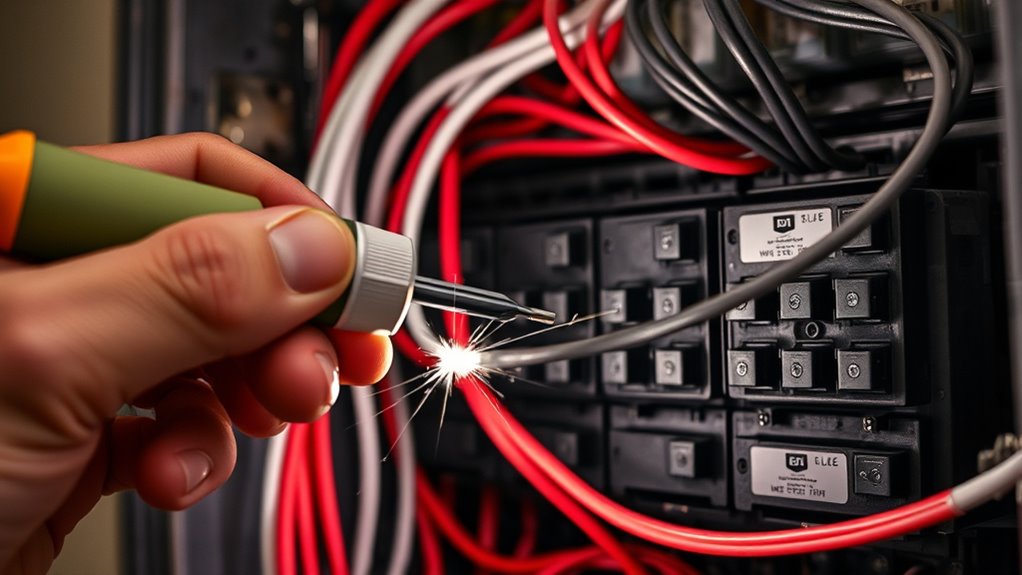
Many homeowners make dangerous mistakes when working with neutral wires, often because they underestimate the risks involved. One common error is ignoring proper grounding safety, which can lead to electric shocks or fires. For example, miswiring neutral and ground wires can create dangerous conditions. Additionally, not following wiring color codes increases the risk of confusion and incorrect connections; black or red usually indicate hot wires, while white or gray are neutral. Failing to identify and secure neutral wires properly can cause appliances to malfunction or pose shock hazards. Always double-check wiring color codes and ensure neutral wires are correctly connected and grounded. Remember, mishandling neutral wires isn’t just dangerous—it can threaten your entire electrical system’s safety.
How Neutral Wires Contribute to Electrical Safety
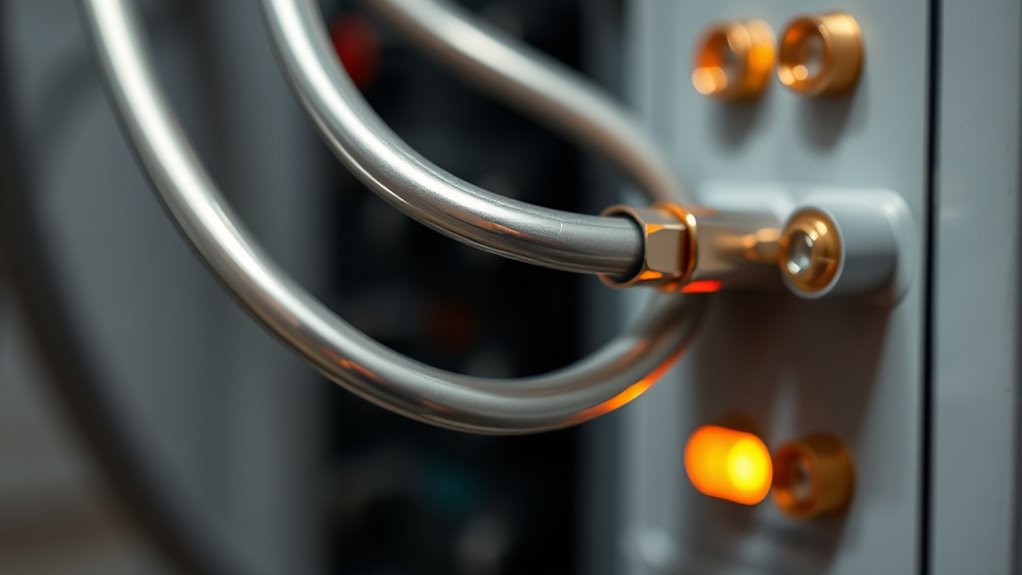
Neutral wires help complete electrical circuits safely, allowing current to flow back to the source. They also reduce shock hazards by providing a clear path for electricity to return, preventing dangerous buildups. Additionally, neutral wires maintain system stability, ensuring your electrical devices operate reliably and safely.
Completing Electrical Circuits
When you connect a neutral wire to an electrical circuit, you create a complete path that allows current to flow safely back to the power source. This is essential for proper circuit operation and safety. Neutral wires work with grounding systems to ensure stability and help prevent overloads. Here’s how they contribute to completing circuits:
- They balance electrical loads, preventing overloads and potential fires.
- They provide a return path for current, reducing the risk of shocks.
- They work with grounding systems to improve overall electrical safety.
- They help maintain voltage stability, protecting appliances and systems from damage.
Preventing Shock Hazards
Ever wondered how neutral wires help keep you safe from electrical shocks? Neutral wires are essential in grounding systems, providing a safe path for current and preventing electrical buildup that could cause shocks. They work with circuit breaker functions to disconnect power during faults, reducing shock risks. Proper wiring ensures that if a live wire contacts a metal surface, the current flows safely back through the neutral, triggering the breaker to shut off power. This minimizes the chance of electric shocks. Here’s how neutral wires contribute:
| Neutral Wire Role | Safety Benefit |
|---|---|
| Completes circuits | Prevents live contact exposure |
| Connects to ground | Maintains system stability |
| Works with circuit breakers | Quickly disconnects power during faults |
| Provides return path | Reduces shock hazard |
| Ensures system safety | Protects users from shocks |
Ensuring System Stability
Proper wiring of neutral wires plays a vital role in maintaining the overall stability of your electrical system. When neutral connections are secure, they support grounding systems and guarantee circuit continuity, which prevents voltage fluctuations. To enhance system stability, you should:
- Regularly check that neutral wires are properly grounded and connected.
- Ensure all circuits have continuous, unbroken neutral pathways.
- Use quality wiring materials to avoid loose or corroded connections.
- Address any signs of electrical imbalance promptly to prevent system failures.
What To Do If You Suspect a Neutral Wire Issue
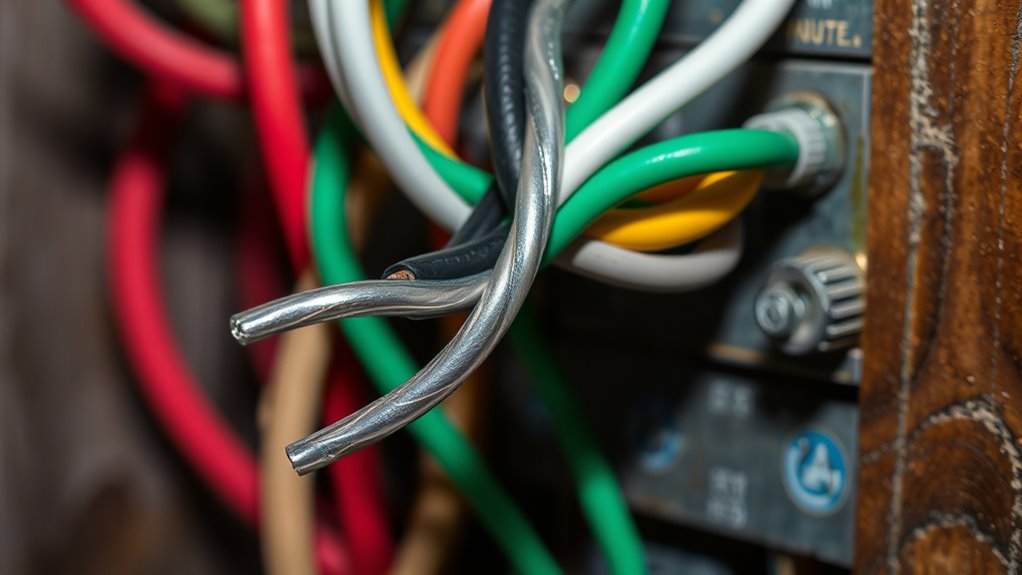
If you notice flickering lights, unusual electrical shocks, or frequent circuit breaker trips, you might have a neutral wire problem. First, turn off power at the main breaker to prevent further issues. Check your circuit breaker for signs of overload or damage. Installing surge protection devices can help guard your appliances against voltage spikes caused by neutral wire faults. If you’re comfortable, carefully inspect outlets and switches for loose or damaged wiring. However, because electrical issues can be dangerous, it’s best to call a licensed electrician if you’re unsure or unable to identify the problem. They can perform a thorough diagnosis and repair, ensuring your system operates safely and efficiently. Don’t ignore these signs—addressing a neutral wire issue promptly protects your home and your safety.
The Future of Home Wiring and Neutral Wire Standards
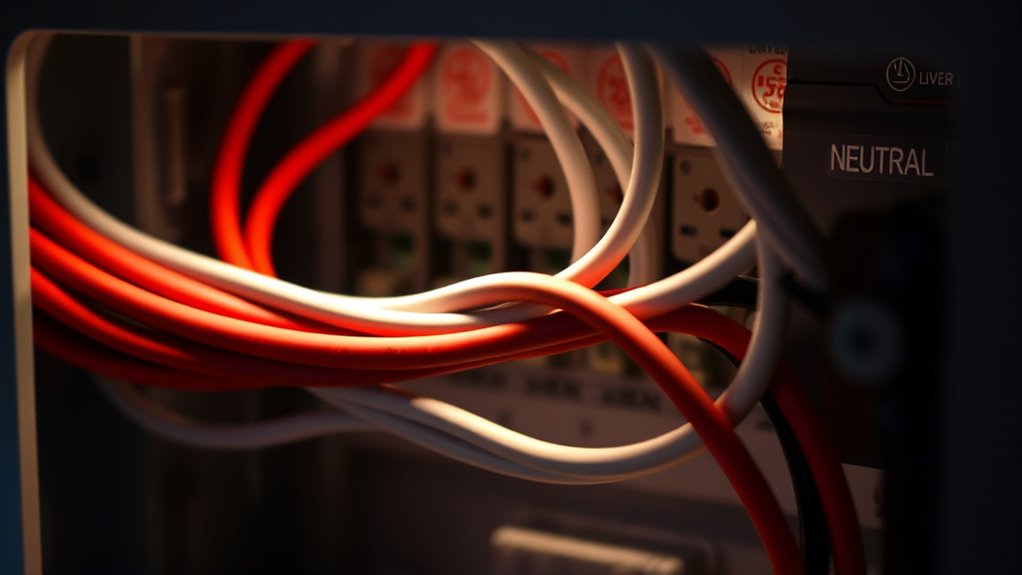
As technology advances and homes become smarter, wiring standards are evolving to prioritize safety, efficiency, and ease of installation. The future of home wiring will likely include:
- Increased integration with the smart grid, allowing real-time energy management.
- Enhanced safety protocols for handling higher loads from renewable sources.
- Standardization of neutral wire configurations to support renewable energy systems.
- Adoption of modular wiring solutions that simplify upgrades and repairs.
These changes aim to better accommodate renewable energy integration, reduce energy waste, and improve overall safety. As a homeowner, you’ll benefit from more reliable, efficient, and future-proof wiring systems that keep pace with technological advancements and energy demands.
Frequently Asked Questions
How Can I Tell if My Neutral Wire Is Properly Grounded?
You can tell if your neutral wire is properly grounded by performing a wiring inspection with a multimeter. Set the meter to measure voltage, then check between the neutral wire and a known ground point. If the reading is close to zero, it’s properly grounded according to grounding standards. If not, you need to have a professional inspect your wiring to confirm safety and compliance with electrical codes.
What Are the Risks of Improperly Connected Neutral Wires?
If your neutral wire is improperly connected, you risk ground faults and circuit imbalance. A ground fault can cause electric shock or fire, while an imbalance may lead to fluctuating voltages, damaging appliances. You might also experience flickering lights or inconsistent power. Always verify neutral wires are correctly installed and grounded properly. If you’re unsure, consult a professional electrician to prevent these hazards and keep your home safe.
Can a Neutral Wire Cause Electrical Shocks?
Ever wondered if a neutral wire can give you an electric shock? Yes, it can if grounding procedures aren’t followed properly, especially in faulty or exposed wiring. A neutral wire carries current back to the power source, so touching it during a fault can be dangerous. Ensuring proper electrical safety and grounding procedures minimizes this risk, keeping you safe from potential shocks and electrical hazards.
Is It Safe to Repair or Replace a Neutral Wire Myself?
You shouldn’t attempt DIY safety repairs on a neutral wire yourself. Handling electrical systems can be dangerous, and improper repair risks shocks or fire. It’s best to hire a professional repair technician who has the right tools and expertise. Relying on professional repair guarantees your safety and compliance with electrical codes, giving you peace of mind knowing the work is done correctly and safely.
How Do Local Electrical Codes Address Neutral Wire Installation?
You must follow local electrical codes to make certain safe, reliable wiring. These codes specify grounding standards and require proper neutral wire installation to prevent electrical hazards. While it might seem tedious, adhering to code compliance protects your home and loved ones. Ignoring these standards risks dangerous shocks or fires. Always consult a licensed electrician to guarantee your wiring meets local regulations and safety requirements, giving you peace of mind.
Conclusion
Just like the steady hand that guides a ship through stormy seas, understanding your neutral wire keeps your home safe and your circuits balanced. Neglecting it risks chaos akin to a ship lost in fog. Stay vigilant, address issues promptly, and respect the essential role this unseen conductor plays. When you prioritize electrical safety, you’re charting a course toward peace of mind—ensuring your home remains a sanctuary amid life’s unpredictable currents.