To address nuisance tripping, start by mapping your electrical load. Identify which devices are connected to each circuit and check if any are overloading it. Look for signs of faulty wiring like warm outlets or frayed wires, and consider redistributing or reducing device use to prevent overloads. If problems persist, professionally inspect your wiring for faults. By understanding your system better, you can prevent future trips and ensure safety—there’s more to uncover as you explore further.

Get backup power and energy gear delivered free — and shop member deals
- Fast, free delivery on millions of items
- Access to Prime Big Deal Days deals on October 6–7
- Prime Video, Amazon Music and more included
Key Takeaways
- Create a detailed load map by listing all devices connected to each circuit to identify overloads.
- Check for signs of faulty wiring, such as scorched outlets or loose connections, that may cause intermittent trips.
- Distribute high-wattage appliances evenly across circuits to prevent overloads and nuisance tripping.
- Use a multimeter or circuit tester to detect wiring faults or shorts in affected circuits.
- Consult a licensed electrician for professional load analysis and wiring inspection to ensure safety and resolve persistent trips.
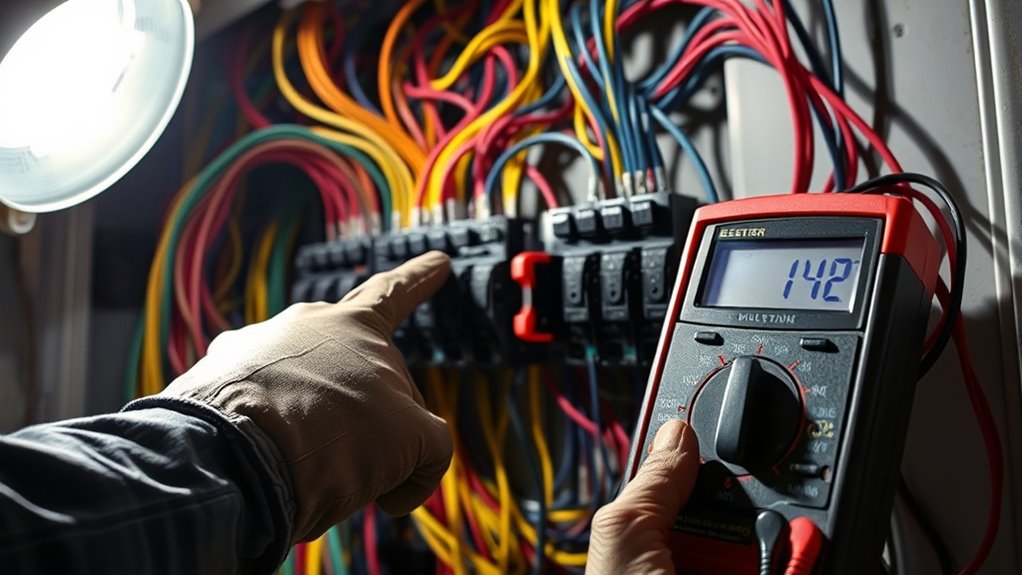
Nuisance tripping occurs when circuit breakers or fuses repeatedly shut off power without a clear fault, often causing frustration and confusion. This issue can stem from various electrical problems, but two common causes are circuit overloads and faulty wiring. When you experience frequent trips, it’s a sign that something isn’t right with your electrical system, and ignoring it could lead to more serious problems or even fire hazards. Understanding how to map the load and identify the fault can help you fix the issue and prevent future trips.
One of the primary reasons for nuisance tripping is a circuit overload. This happens when too many devices or appliances draw power from the same circuit, exceeding its designed capacity. Imagine plugging in several high-wattage appliances—like space heaters, hairdryers, and kitchen gadgets—into one outlet or circuit. The circuit breaker detects the excessive current and trips to protect the wiring and devices from overheating or damage. To fix this, you need to map the load, which involves identifying what’s connected to each circuit and evaluating whether the combined load surpasses the breaker’s rating. Distributing the load more evenly across circuits or reducing the number of devices on a single circuit often resolves overload issues.
Circuit overloads cause nuisance trips; distribute devices evenly to prevent tripping.
Faulty wiring is another common culprit behind nuisance tripping. Over time, wiring can degrade, become loose, or develop shorts, especially in older homes or if the wiring was improperly installed. Faulty wiring can cause intermittent electrical faults that trip the breaker even without a clear overload. When you notice this, it’s essential to map the load to see what circuits are affected and to inspect the wiring thoroughly. Look for signs like scorched outlets, frayed wires, or warm switches. If you suspect faulty wiring, it’s best to call a professional electrician. They can perform a detailed inspection, locate the wiring faults, and replace or repair damaged sections to restore safe and reliable operation. Additionally, understanding the role of circuit breakers in protecting your electrical system can help you appreciate the importance of proper load management and safety measures.
Mapping the load involves creating a detailed diagram of your electrical system, noting what appliances and devices are connected to each circuit. This helps you identify if certain circuits are consistently overloaded. Once you know where the issues lie, you can take targeted action—whether that’s redistributing devices, upgrading your circuit breakers, or fixing faulty wiring. Remember, electrical work can be dangerous, so don’t hesitate to seek professional help if you’re unsure. Addressing nuisance tripping promptly not only restores comfort but also keeps your home safe from potential electrical hazards.
As an affiliate, we earn on qualifying purchases.
Frequently Asked Questions
Can Nuisance Tripping Occur in New Electrical Systems?
Yes, nuisance tripping can occur in new electrical systems. If you don’t properly balance the load, it can cause the system to trip unexpectedly. Also, inadequate circuit segmentation may lead to overloads or faults that trigger nuisance trips. To prevent this, guarantee proper load balancing and effective circuit segmentation during installation. Regular inspections and testing help catch potential issues early, keeping your system running smoothly without unnecessary interruptions.
What Tools Are Best for Mapping Electrical Loads?
Think of load analysis tools as your Swiss Army knife for circuit identification. You’ll want a clamp meter or a power quality analyzer to accurately map electrical loads. These tools help you identify which circuits are drawing excessive current, pinpointing faults causing nuisance tripping. With precise load analysis, you can troubleshoot effectively, ensuring your system runs smoothly—like a vintage radio tuned perfectly for the best reception.
How Long Should Troubleshooting Take for Nuisance Tripping?
Troubleshooting nuisance tripping typically takes a few hours, but it depends on how well you implement load balancing and circuit segmentation. You should start by identifying high-load circuits and then methodically test each segment. If you systematically map the load and isolate potential faults, you can usually resolve the issue faster. Rushing prolongs troubleshooting, so stay organized and patient to ensure an effective, lasting fix.
Are There Safety Risks When Diagnosing Load Faults?
Yes, there are serious safety risks when diagnosing load faults if you don’t follow proper safety protocols. Fault identification can be like walking a tightrope over a volcano—one wrong move, and you risk electric shock or fire! Always wear protective gear, disconnect power before working on circuits, and use insulated tools. Ignoring safety can turn a simple troubleshooting job into a catastrophe, so stay vigilant and prioritize safety every step.
How Can Preventative Measures Reduce Nuisance Tripping?
Preventative strategies in fault diagnosis can substantially reduce nuisance tripping by identifying potential issues before they cause trips. You should regularly inspect wiring, connections, and loads to catch faults early. Implementing proper load balancing and using protective devices properly also helps. These measures ensure faults are detected and addressed proactively, minimizing unnecessary trips and improving system reliability. Consistent maintenance and monitoring are key to effective fault prevention.
As an affiliate, we earn on qualifying purchases.
Conclusion
So, next time your circuit trips without reason, remember—it’s not just a nuisance, but a warning sign. You might think ignoring it is harmless, but that small inconvenience could hide a bigger fault. Ironically, your attempt to avoid trouble might be what causes it. Take the time to map the load and find the fault; otherwise, that “nuisance” could turn into a costly disaster. Better safe than sorry—don’t let frustration trip you up.
multimeter for electrical wiring
As an affiliate, we earn on qualifying purchases.
As an affiliate, we earn on qualifying purchases.
As an affiliate, we earn on qualifying purchases.
Fall Picks
fall essentials
As an affiliate, we earn on qualifying purchases.