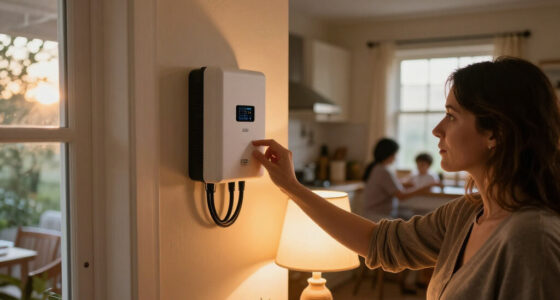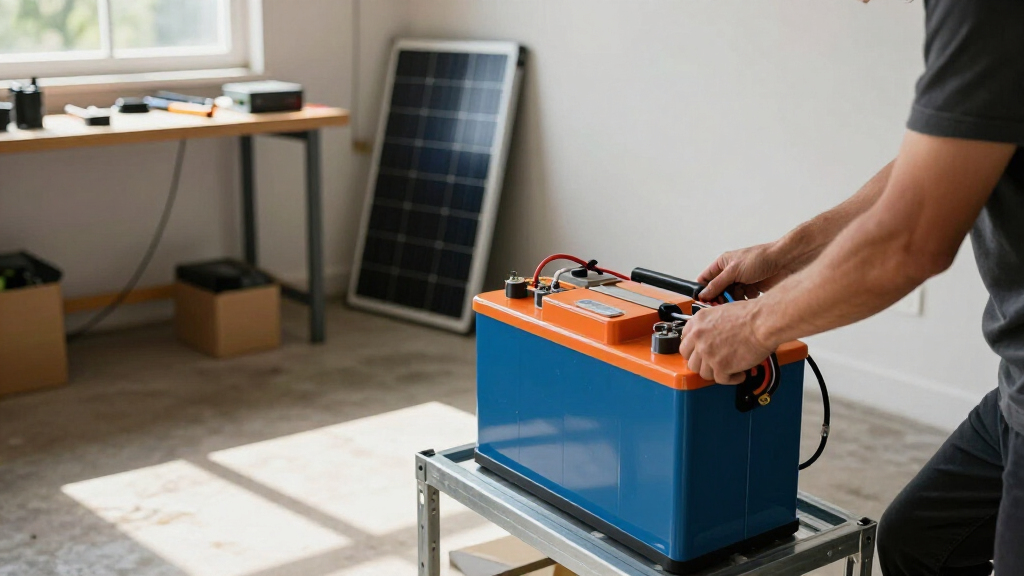

When it comes to home energy storage batteries, the main challenge is balancing capacity, reliability, and cost. The Eco-Worthy Powermega 48V 314Ah LiFePO4 stands out as the best overall choice for its combination of capacity and durability. The Jackery Explorer 1000 v2 offers excellent portability for backup needs, while the Eco-Worthy Cubix100 48V 600Ah provides a high-capacity solution for larger setups. Buyers face tradeoffs between upfront cost, scalability, and ease of use, making it important to match the product to specific needs. Continue reading for a detailed breakdown of these options and what sets them apart.

Get backup power and energy gear delivered free — and shop member deals
- Fast, free delivery on millions of items
- Access to Prime Big Deal Days deals on October 6–7
- Prime Video, Amazon Music and more included
Key Takeaways
- High-capacity Lithium Iron Phosphate (LiFePO4) batteries dominate the top picks for durability and safety.
- Portability varies significantly; portable power stations are ideal for backup but less suited for full home storage.
- Scalability and modularity are key for larger setups, with multi-pack solutions offering greater flexibility.
- Cost per watt-hour is a critical factor; premium options often justify higher prices with longer lifespan and better features.
- Ease of installation and maintenance influences suitability for DIYers versus professional setups.


| home energy storage batterie | Capacity | Voltage |
|---|---|---|
| ECO-WORTHY Powermega 48V 314Ah | 16.07kWh | 48V |
| Jackery Explorer 1000 v2 Porta | 1070Wh | — |
| ECO-Worthy Cubix100 48V 600Ah | 600Ah | 48V (51.2V nominal) |
| ECO-WORTHY Cubix100 48V 100Ah | 100Ah | 48V |
| 16KWh 48V LiFePO4 Battery Box | 16kWh | 48V |
| 51.2V 314Ah LiFePO4 Battery wi | 314Ah | 51.2V |
| ECO-WORTHY Powermega 48V 314Ah | — | — |
| Jackery Explorer 300 Portable | 292Wh | — |
More Details on Our Top Picks
ECO-WORTHY Powermega 48V 314Ah LiFePO4 Battery (2 Pack)
This high-capacity 48V 314Ah LiFePO4 battery delivers 16.07kWh, making it ideal for those needing substantial energy storage — especially compared to smaller systems like the Jackery Explorer 1000. Its active cell balancing and multi-layer safety protections enhance reliability for long-term use. The smart monitoring with WiFi, Bluetooth, and a 7″ HD touchscreen allows remote management, and expandability up to 15 units supports future growth. However, its size and weight mean it requires professional installation, and setup can be complex for DIYers. The outdated promotion for free conduit boxes might mislead, but its scalability and safety features make it a top choice for large households or off-grid setups.
Pros:- High energy capacity suitable for large-scale storage
- Advanced active cell balancing and safety features
- Smart remote monitoring and broad inverter compatibility
- Expandable system supporting up to 15 units
Cons:- Large and heavy, requiring professional installation
- Potentially complex setup for DIY users
- Promotion for free conduit box may be outdated
Best for: Homeowners with high energy demands seeking scalable, reliable storage solutions
Not ideal for: Small households or users with limited space, due to its size and installation complexity
- Capacity:16.07kWh
- Voltage:48V
- Ah:314Ah
- Expansion Support:Up to 15 units in parallel
- Smart BMS:200A active balancing
- Safety Features:Over-current, short circuit, thermal runaway protection
- Display:7″ HD touchscreen
- Connectivity:WiFi, Bluetooth, RS485, CAN
Our verdict“This system is best for users who need a scalable, high-capacity solution and are prepared for professional installation.”
Jackery Explorer 1000 v2 Portable Power Station, 1070Wh, 1500W
The Jackery Explorer 1000 v2 offers 1070Wh of portable energy, making it a standout for camping, emergency backup, or small-scale home use—especially when compared to larger, fixed systems like the ECO-Worthy Powermega. Its lightweight (23.8 pounds) and foldable handle enhance mobility, while fast charging can bring it from 0% to full in just one hour. The built-in LFP battery ensures over 10 years of lifespan, but its runtime at full load is limited to about 42 minutes, which may fall short for continuous use. It requires Jackery-specific solar panels for solar charging, limiting flexibility. This pick makes the most sense for users prioritizing portability, quick recharge, and reliable long-term battery health.
Pros:- High-capacity 1070Wh battery for multiple devices
- Fast charging from 0% to 100% in one hour
- Lightweight and portable with a foldable handle
- Durable LFP battery with over 10 years lifespan
Cons:- Limited runtime at full load (about 42 minutes)
- Requires specific Jackery solar panels for solar charging
- Not suitable for continuous heavy-duty applications
Best for: Campers, tailgaters, or homeowners needing reliable backup in a portable format
Not ideal for: Users seeking a long-term, large-scale energy storage system, as it’s limited in runtime and capacity
- Wattage:1500W
- Capacity:1070Wh
- Weight:23.8 pounds
- Runtime:42 minutes at full load
- Charging:Fast, 0-100% in 1 hour
- Battery Type:LFP (Lithium Iron Phosphate)
Our verdict“Ideal for mobile use where portability and quick recharge are priorities, but less suited for sustained off-grid power needs.”
ECO-Worthy Cubix100 48V 600Ah Server Rack Battery LiFePO4 6-Pack Solar Battery Kit for Home Backup
This 6-pack of ECO-WORTHY Cubix100 batteries provides a substantial 30.72kWh, perfect for whole-home off-grid or backup power—especially compared to smaller systems like the Cubix100 48V 100Ah. Its safety certifications and thermal management make it reliable for long-term residential use. Bluetooth and WiFi enable easy monitoring, and expansion up to 32 units allows for future capacity growth. However, installation requires expertise, and it’s non-returnable through Amazon, which could be a concern for some. This setup is tailored for serious home energy needs where capacity and safety are priorities, but it’s not suited for DIY beginners or small apartments.
Pros:- High capacity with 30.72kWh, expandable for large needs
- Advanced safety certifications and thermal management
- Bluetooth and WiFi monitoring ease of use
- 10-year warranty ensures long-term reliability
Cons:- Requires professional installation due to complexity
- Non-returnable via Amazon, with limited purchase protections
- Shipping delays on certain components
Best for: Homeowners seeking a reliable, expandable backup energy system for entire residences
Not ideal for: Small households or those unable to handle complex installations, due to its size and setup requirements
- Total Energy:30.72kWh
- Voltage:48V (51.2V nominal)
- Capacity:600Ah
- Certifications:UL9540, UL1973, CEC Listed
- Communication:CAN/RS485, Bluetooth, WiFi
- Warranty:10 years
Our verdict“This system is best suited for serious residential users who need scalable, safe, and long-lasting backup power.”
ECO-WORTHY Cubix100 48V 100Ah LiFePO4 Lithium Server Rack Battery
The ECO-WORTHY Cubix100 48V 100Ah offers a compact, reliable energy solution for server racks and small-scale storage, comparable to the larger Cubix100 600Ah but designed for space efficiency. Its built-in Bluetooth and WiFi enable straightforward monitoring, and the 10-year warranty adds peace of mind. The space-saving rack design allows vertical mounting, perfect for data centers or home server setups. However, its non-returnable status and the need for proper installation can be a hurdle for some. This product makes the most sense for users who require a dependable, space-efficient energy storage solution within a rack environment, but it’s not suitable for large-scale household backup without multiple units.
Pros:- High-quality LiFePO4 cells with a 10-year warranty
- Space-efficient rack design supports vertical mounting
- Bluetooth and WiFi monitoring for easy management
- Reliable, long-lasting performance
Cons:- Limited capacity (100Ah, 4.8kWh), not suited for large needs
- Item is non-returnable on Amazon
- Requires technical setup and installation knowledge
Best for: Data centers, server rooms, or small-scale residential applications with limited space
Not ideal for: Users looking for large capacity or off-grid, outdoor energy storage, as its size and capacity are limited
- Voltage:48V
- Capacity:100Ah
- Cell Type:LiFePO4
- Warranty:10 years
- Communication:Bluetooth, WiFi
- Expandable:Up to 32 units
Our verdict“Best for space-constrained environments needing reliable, long-term server rack energy storage.”
16KWh 48V LiFePO4 Battery Box DIY Energy Storage Cabinet (Cells Excluded)
This 16kWh battery box offers a versatile enclosure for DIY solar energy systems, supporting Class A LiFePO4 cells such as 280Ah or 314Ah—making it ideal for experienced tinkerers. The durable steel aluminum alloy casing provides outdoor robustness, and the built-in smart BMS with Bluetooth and communication protocols (Canbus, RS485) simplifies monitoring. Its wheels facilitate mobility, but it’s important to note that batteries are not included, requiring additional purchases. Assembly and setup demand technical knowledge, so it’s not suited for beginners. Compared to pre-assembled systems, this offers customization and expansion potential, but at the expense of complexity and initial cost.
Pros:- Durable metal casing suitable for outdoor use
- Supports various Class A LiFePO4 cells for customization
- Built-in smart BMS with Bluetooth and communication options
- Wheels for easy relocation
Cons:- Batteries are not included, requiring additional purchase
- Assembly and configuration can be complex
- Limited to specific cell types for optimal performance
Best for: Experienced DIYers and renewable energy hobbyists building custom solar storage solutions
Not ideal for: Novice users seeking plug-and-play solutions or those without the technical skills for assembly
- Capacity:16kWh
- Voltage:48V
- Material:Steel aluminum alloy
- Cell Compatibility:Class A LiFePO4 (280AH, 314AH, etc.)
- BMS:Smart 16S 200A Bluetooth/Canbus/RS485
- Dimensions:174x72x207mm
Our verdict“Designed for skilled DIY enthusiasts wanting a customizable, weatherproof energy storage cabinet with ample capacity.”
51.2V 314Ah LiFePO4 Battery with 16076.8Wh, BMS, LCD Touchscreen, Bluetooth/WiFi, RS485/CAN/RS232 for Home Backup and Off-Grid Solar
This high-capacity LiFePO4 battery excels in providing extensive energy storage with an expandable design, making it ideal for homeowners seeking large-scale backup or off-grid power. Compared to the ECO-WORTHY Powermega 48V 314Ah system, this unit offers a higher cycle life and more comprehensive monitoring options, including an LCD touchscreen and wireless connectivity. The tradeoff is that it requires multiple units for larger capacity, which can increase initial costs and complicate setup—something less suitable for beginners. Its robust safety features and long lifespan of over 12 years make it a reliable choice for those planning long-term installations.
Pros:- High energy capacity with expandable system up to 241kWh
- Long lifespan of over 12 years and 10,000+ cycles
- Multiple monitoring options via LCD, Bluetooth, WiFi, and app
Cons:- Requires multiple units for larger capacity, increasing initial cost
- Complex setup may be challenging for beginners
Best for: Homeowners needing a scalable, long-lasting backup energy system with extensive monitoring and safety features
Not ideal for: Small residences or users with limited space, as multiple units and complex setup can be costly and challenging
- Voltage:51.2V
- Capacity:314Ah
- Energy:16076.8Wh
- Max Parallel Units:15
- Cycle Life:Over 10,000 cycles
- Lifespan:12+ years
Our verdict“This battery is best suited for homeowners planning a large, long-term energy backup who value scalability and detailed monitoring.”
ECO-WORTHY Powermega 48V 314Ah LiFePO4 Energy Storage System with 10kW Hybrid Inverter (2 Pack)
This dual-battery system paired with a 10kW inverter offers substantial energy capacity—over 30kWh—tailored for users seeking reliable backup power or off-grid independence. Unlike the Jackery Explorer 300, which is portable but limited in capacity, this setup provides a robust, stationary solution capable of powering larger appliances with ease. Its active balancing BMS and included protections ensure durability, while mobility wheels add installation flexibility. The main tradeoff is its size and weight, requiring careful planning for placement, and the two different inverter styles shipped randomly could cause some confusion for new users.
Pros:- High-capacity 30kWh+ energy storage for backup and off-grid use
- Advanced monitoring with Bluetooth and WiFi
- Active balancing BMS and included safety features
Cons:- Large and heavy, requiring truck delivery and careful placement
- Includes two inverter styles shipped randomly, which could cause confusion
Best for: Homeowners with solar setups or off-grid ambitions needing substantial, reliable energy storage with monitoring and mobility features
Not ideal for: Those seeking portable power or minimal installation—due to weight and size—the setup isn’t suited for frequent transport or small spaces
- Battery Voltage:48V
- Battery Capacity:314Ah
- Energy Storage:30kWh+
- Cycle Life:9000+ cycles at 80% DoD
- Inverter Power:10kW
- Weight:100kg per battery
Our verdict“This system is ideal for users wanting a powerful, expandable, and durable off-grid or backup solution who don’t mind installation complexity.”
Jackery Explorer 300 Portable Power Station, 292Wh
The Jackery Explorer 300 stands out for its lightweight design and portability, making it a perfect companion for outdoor adventures or emergency power needs. Compared to the larger ECO-WORTHY or the LiFePO4 battery systems, this unit offers a compact 292Wh capacity, sufficient for small devices and camping gear, but not for household backup. Its durable LiFePO4 chemistry ensures over 4,000 charge cycles, and its multiple outlets, including USB-C and AC, support a variety of gadgets. However, it lacks a solar panel included, and its 300W rated output limits use with high-power appliances, making it less suitable for home backup or powering larger devices.
Pros:- Lightweight and highly portable at only 7.5 lbs
- Multiple charging options including USB-C PD and AC outlets
- Long-lasting LiFePO4 battery with over 4,000 cycles
Cons:- No included solar panel, requiring separate purchase
- Limited to 300W output, unsuitable for high-power appliances
- Capacity might be insufficient for extended power needs
Best for: Outdoor enthusiasts and those needing portable power for camping, outdoor activities, or light off-grid use
Not ideal for: Homeowners seeking large-scale backup or power for high-demand appliances—capacity and output are too limited
- Capacity:292Wh
- Weight:7.5 lbs
- Outlets:2 AC, 1 USB-C PD, 2 USB-A, 1 Car port
- Rated Output:300W
- Charge Cycles:Over 4,000
- Dimensions:9.1 x 5.2 x 7.8 inches
Our verdict“This portable power station is best suited for outdoor use and emergency charging, not as a primary home backup solution.”

How We Picked
Products were evaluated based on capacity, build quality, safety features, scalability, and overall value. We prioritized batteries with proven longevity and robust BMS systems, ensuring reliability in home backup scenarios. Portability was considered for smaller units, while modular solutions were favored for larger capacity needs. Cost-effectiveness was also a key factor, balancing upfront investment against long-term durability. The ranking reflects a combination of these factors, aiming to offer options for various types of users—from beginners to experienced installers.Factors to Consider When Choosing Home Energy Storage Batteries
Choosing the right home energy storage battery involves more than just capacity and price. Key considerations include safety, scalability, compatibility with existing solar or grid systems, and ease of installation. Understanding these factors helps prevent costly mistakes and ensures your investment aligns with your energy goals. Below, I explore critical factors to keep in mind as you select the best storage system for your home.Capacity and Scalability
Assess your total energy needs carefully. Larger homes or those with significant solar generation benefit from higher capacity systems that can be expanded modularly. Keep in mind that adding more batteries later can be more cost-effective than overspending on a large upfront system. Consider future expansion plans to avoid limited capacity bottlenecks. Also, check if the system supports stacking or connecting multiple units seamlessly.
Battery Chemistry and Safety
LiFePO4 (Lithium Iron Phosphate) batteries are popular for home storage due to their safety, long cycle life, and thermal stability. Avoid cheaper lithium variants that may pose safety risks or degrade faster over time. Ensure the batteries have a quality BMS (Battery Management System) to protect against overcharge, deep discharge, and temperature issues. Safety certifications and manufacturer reputation are also worth verifying to prevent potential hazards.
Compatibility and Integration
Verify that the battery system integrates smoothly with your existing solar inverter or grid connection. Compatibility issues can lead to inefficient operation or additional costs for adapters and controllers. For off-grid setups, confirm that the batteries support your desired voltage and communication protocols. Choosing a system with flexible interfaces like Bluetooth or WiFi can simplify monitoring and management.
Cost and Long-Term Value
Initial investment is only part of the overall cost—consider the battery’s lifespan, warranty, and maintenance requirements. Cheaper batteries may save money upfront but could require replacement sooner, increasing long-term expenses. Higher-quality systems with longer cycle lives and better warranties offer more value over time. Balance your budget with the need for durability and reliable performance.
Ease of Installation and Maintenance
Some batteries are DIY-friendly, featuring plug-and-play designs, while others require professional installation. If you plan to do it yourself, look for systems with clear instructions and accessible components. Maintenance needs vary; LiFePO4 batteries generally require minimal upkeep, but routine checks on connections and BMS status are recommended. A system that offers remote monitoring can save time and alert you to issues early.
Frequently Asked Questions
Can I expand my home energy storage system later?
Yes, many modular batteries and systems are designed to be expanded by adding additional units. When choosing a system, check if it supports stacking or daisy-chaining multiple batteries. Compatibility with your existing inverter or controller is also essential to ensure seamless expansion. Planning for future growth at the outset can save costs and avoid complex upgrades later.
How long do home energy storage batteries last?
The lifespan of home storage batteries depends on the chemistry and quality. LiFePO4 batteries typically offer 10-15 years of service with over 3,000 to 5,000 charge cycles. Higher-quality units with advanced BMS tend to last longer and maintain capacity better over time. Consider manufacturers’ warranties and cycle life ratings as indicators of long-term durability.
Is it better to buy a portable power station or a fixed battery system?
Portable power stations excel for temporary backup needs or off-grid use, offering flexibility and easy transport. Fixed battery systems, however, provide larger capacities and are designed for continuous home backup or energy storage. Your choice depends on whether mobility or capacity is your priority. For full home backup, a dedicated fixed system generally makes more sense, while portable units suit occasional or emergency use.
What safety features should I look for in home energy batteries?
Prioritize batteries with comprehensive BMS protection, including overcharge, over-discharge, short circuit, and thermal protection. Safety certifications from recognized authorities can offer peace of mind. Good ventilation and proper installation also help prevent overheating. Avoid systems with cheap components or inadequate safety standards, as these pose risks during operation or failure.
How much should I expect to pay for a reliable home energy storage system?
Prices vary widely based on capacity, chemistry, and features, typically ranging from a few thousand to over ten thousand dollars for large, high-end setups. Investing in a quality LiFePO4 system with a good warranty can pay off through longer lifespan and fewer replacements. Carefully compare cost per watt-hour and consider long-term savings when evaluating your options. Remember, a higher initial investment can often lead to better reliability and lower total cost over time.
Conclusion
For most homeowners seeking a reliable, long-lasting solution, the Eco-Worthy Powermega 48V 314Ah LiFePO4 offers a balanced combination of capacity, safety, and value, making it the best overall pick. Budget-conscious buyers should consider the Jackery Explorer 1000 v2 for portable backup needs, while those with larger energy demands may prefer the Eco-Worthy Cubix100 48V 600Ah for scalability. Beginners will find the Jackery Explorer 300 straightforward and easy to set up, whereas advanced users requiring robust, expandable systems should look at premium options with extended warranties. Ultimately, your choice depends on your energy goals, budget, and technical comfort level.
Halloween Picks
halloween
As an affiliate, we earn on qualifying purchases.