TL;DR

Get backup power and energy gear delivered free — and shop member deals
- Fast, free delivery on millions of items
- Access to Prime Big Deal Days deals on October 6–7
- Prime Video, Amazon Music and more included
ComEd plans to file a broader virtual power plant framework in Illinois by the end of 2027, building on an approved battery dispatch program. The proposal could include electric vehicles, smart appliances and other flexible customer devices, but program rules, compensation and expected savings have not yet been specified.
Commonwealth Edison plans to file a broader virtual power plant framework in Illinois by the end of 2027, expanding on an approved program that pays eligible battery owners to make some stored energy available during peak periods. ComEd Vice President of Strategy and Energy Policy Andrew Plenge says the framework could bring in electric vehicles, smart appliances and other flexible devices as the state looks for ways to manage rising electricity demand and control system costs.
ComEd’s approved Scheduled Dispatch Virtual Power Plant program is the initial step. Under it, customers with eligible battery systems can make a portion of their battery capacity available during specified peak periods in return for performance-based compensation. The source does not provide the payment amounts, participation targets or detailed operating schedule.
Plenge says the later filing will consider a wider set of customer technologies and ways to participate. A virtual power plant coordinates devices distributed across homes and businesses so they can respond together when the grid is under strain. Depending on the program design, devices may reduce electricity use or supply stored energy; the specific roles of technologies beyond batteries have not yet been set out.
The framework will need to define how resources qualify, how their performance is measured and valued, and how participation works. Plenge also identifies questions around incentive levels, dispatch frequency and duration, and coordination with other programs intended to make electricity demand more flexible.
How Customer Devices Could Support the Grid
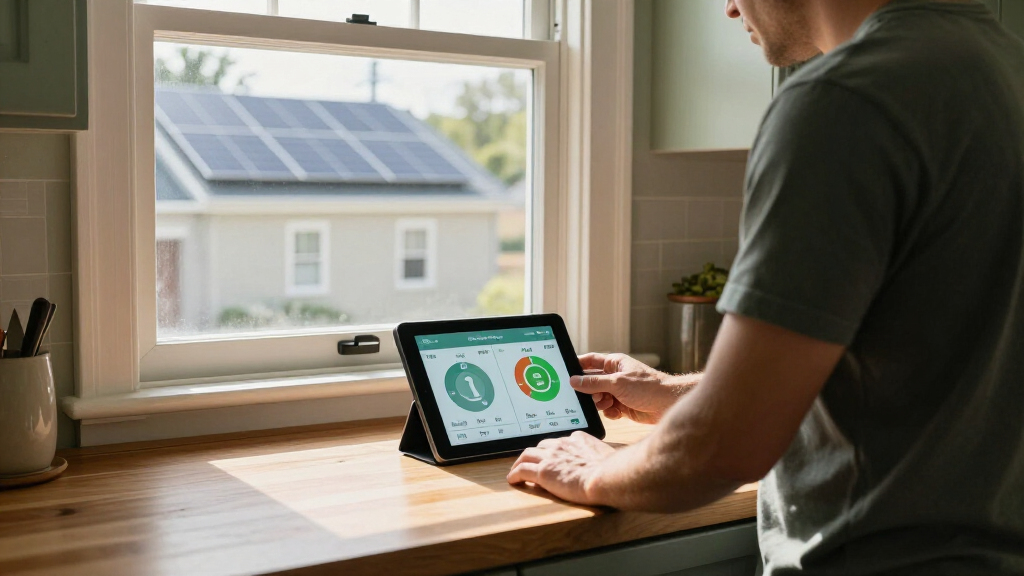
The proposed framework could give utilities another way to respond to periods of high electricity demand by coordinating devices customers already own. Plenge argues that reducing peak demand could help limit reliance on costly generation and infrastructure upgrades, with potential benefits for system costs and customer bills. Those are expected benefits described by a ComEd executive, not documented savings from the proposed wider framework.
The design matters to customers who might take part as well as those who do not. Incentives must make participation worthwhile, while program costs and grid benefits need to be assessed transparently. Dispatch rules also affect how often a customer’s battery or other device may be called on. ComEd says affordability should be a central measure of success and that results should be tracked, but its source material does not set out specific metrics or guarantees.
For Illinois, the development marks a shift from a limited battery program toward planning for a broader mix of flexible resources. Whether that approach delivers measurable value will depend on program rules, customer participation and actual performance during periods of grid need.
As an affiliate, we earn on qualifying purchases.
Illinois’ First Battery Dispatch Program
The Scheduled Dispatch program gives ComEd an initial way to test how customer batteries can support the grid during peak periods. Plenge describes it as a starting point that could provide experience for a more expansive framework, rather than a completed statewide model covering multiple technologies.
According to Plenge, Illinois’ Clean and Reliable Grid Affordability Act, passed last year, made virtual power plants part of the state’s energy toolkit and set the stage for broader planning. The article does not describe the law’s detailed requirements or provide a timeline for regulatory review beyond ComEd’s stated filing target.
ComEd’s rationale is that electricity demand is growing as households and businesses adopt technologies such as electric vehicles, solar panels and batteries, alongside wider economic growth. Plenge says customer-owned resources could help respond to peaks, particularly during hot weather. The filing is intended to address how those resources might be coordinated, rather than requiring every customer to participate.
“By the end of 2027, ComEd will file a broader Virtual Power Plant framework that goes beyond batteries and incorporates more of the technologies that customers use every day.”
— Andrew Plenge, ComEd vice president of strategy and energy policy
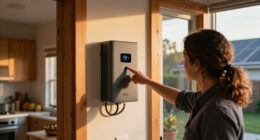
home battery energy storage system
As an affiliate, we earn on qualifying purchases.
As an affiliate, we earn on qualifying purchases.
Program Rules and Savings Remain Open
ComEd has announced its intention to file a framework, but the proposal’s detailed terms are not yet available. It remains unclear which devices besides batteries would qualify, how much capacity customers could offer, what compensation they might receive, or how often and for how long resources could be dispatched.
The source material also does not give projected participation, cost estimates or quantified bill savings. Plenge presents lower system costs and reduced pressure on bills as potential benefits. Those outcomes will depend on the final design and performance, and should not be treated as established results of the broader framework.
Regulatory review, any required changes to the proposal and the schedule for implementation are not described. The stated end-of-2027 date is when ComEd plans to file, not a confirmed launch date for programs under the wider framework.
As an affiliate, we earn on qualifying purchases.
ComEd’s Filing Is the Next Milestone
ComEd says it will submit the broader framework by the end of 2027. Before then, the utility will need to develop proposals for eligibility, performance measurement, compensation and dispatch, while considering how programs can respond to both system-wide and local peaks.
Once details are filed, the next steps and decision-makers will depend on the proposal and review process; the source material does not give a specific timetable for approval or implementation. Customers, regulators, utilities and technology providers will have a role in shaping how resources participate and how benefits are tracked. The filing should provide a clearer basis for judging whether the expanded approach can deliver reliable grid support and measurable value for customers.
As an affiliate, we earn on qualifying purchases.
Key Questions
What is ComEd planning to file?
ComEd says it will file a broader virtual power plant framework in Illinois by the end of 2027. It is expected to go beyond the utility’s current battery dispatch program, though the detailed proposal has not been released.
How does the approved battery program work?
Customers with eligible battery systems can make a portion of their battery capacity available during certain peak periods and receive performance-based compensation. The available source does not state payment rates or participation requirements.
Could electric vehicles and smart appliances participate?
Plenge says the broader framework could include electric vehicles, smart appliances and other flexible devices. Which technologies will qualify, and how they would be used, remain undecided in the information provided.
Will the framework lower electricity bills?
ComEd says reducing peak demand could help limit system costs and upward pressure on bills. The source provides no quantified savings, and the outcome will depend on program design and measured performance.
When would the broader program begin?
ComEd’s stated commitment is to file the framework by the end of 2027. No approval or launch date for any expanded program is provided.
Source: rss
Fall Picks
fall essentials
As an affiliate, we earn on qualifying purchases.