TL;DR

Get backup power and energy gear delivered free with Prime
- Fast, free delivery on millions of items
- Prime Video, Amazon Music and more included
- Member-only deals all year
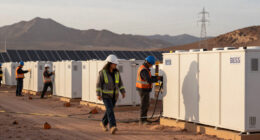
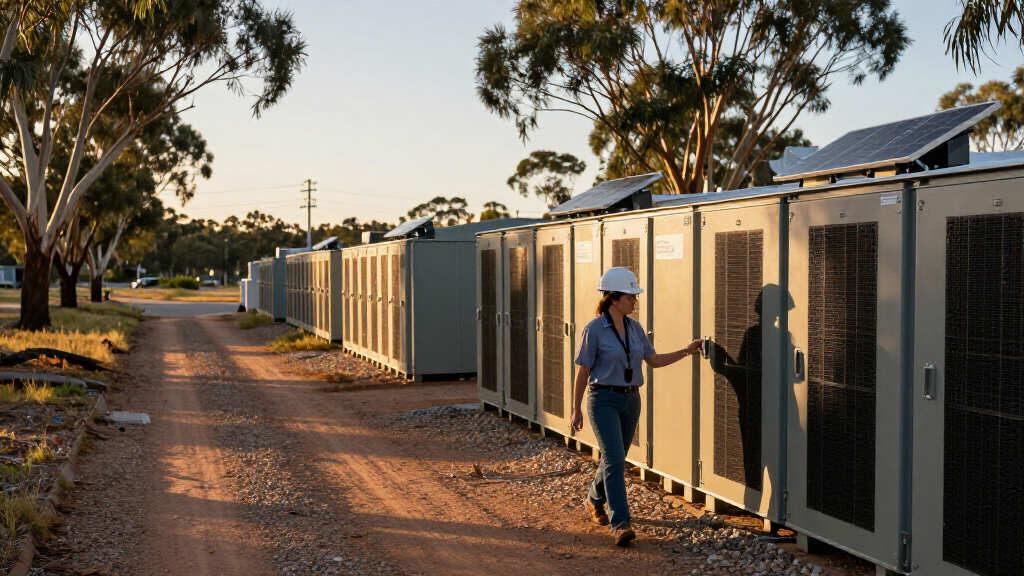
Gingerah Energy has referred a proposed data centre with up to 1GW of IT capacity and 5,000MWh of battery storage for consideration under Australia’s EPBC Act. The referral is an early environmental review step, not project approval; state and local approvals and land-tenure decisions are also outstanding.
Gingerah Energy has referred a proposed data centre with up to 1GW of IT capacity and a 5,000MWh battery energy storage system to Australia’s federal government under the Environment Protection and Biodiversity Conservation (EPBC) Act. The referral asks whether the project may affect matters of national environmental significance and needs formal assessment; it does not mean the project has been approved.
Gingerah Energy said it made the referral because listed threatened species may be present at the proposed site. The project area covers about 27,520 hectares near Broome in Western Australia. The referral identifies a maximum disturbance footprint of up to 18,203 hectares, or about 66% of the area, for assessment. Gingerah Energy expects the area ultimately cleared to be smaller, according to the referral.
The development is planned in stages based on data-centre IT load: 48MW, 120MW, 240MW, 620MW and 1,000MW. The first stage, up to 240MW, is planned to be built and commissioned progressively over two to three years. The federal referral covers the first and second stages. It describes an internal microgrid using overhead transmission lines, on-site substations and underground electrical infrastructure, rather than a connection to an external grid.
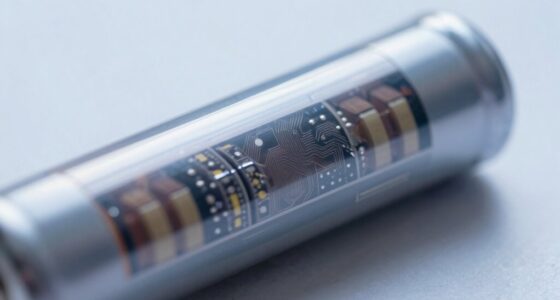
The battery system would be paired with cold-water energy storage for the data centre’s closed-loop cooling system, as well as dispatchable firming facilities and fuel storage. The referral does not identify the battery technology, a supplier or the project’s cost. Those details, along with the eventual development schedule beyond the initial stage, are not specified in the material available.
Powering a Large Data Centre
A proposed 1GW data-centre load would require substantial, dependable power. The plan’s 5,000MWh battery and internal microgrid indicate that the project is being designed around on-site energy infrastructure, rather than an external grid connection described in the referral. Its eventual impact on electricity supply, emissions and local infrastructure will depend on how the facilities are built and operated; the referral does not establish those outcomes.
The proposal arrives as Australian governments and energy-market bodies develop rules for data centres’ power use. The Australian Energy Market Operator has forecast that data centres could account for about 10% of National Electricity Market demand by 2050, up from about 2% today. Western Australia is outside that market, so national market rules do not apply to the project in the same way they would to developments connected to the NEM.
Products Worth Considering

Ring Battery Doorbell (2nd Gen), Indoor Cam Plus, and Chime (3rd Gen) Bundle

Ring Battery Doorbell and Chime (3rd Gen), Satin Nickel

Ring Battery Doorbell Plus (2nd Gen) and Indoor Cam Plus Bundle, Nickel Silver and White
As an affiliate, we earn on qualifying purchases.
Approvals and Land Agreements
The EPBC referral is one part of a wider set of decisions. Under the federal process, the government first determines whether a project could affect nationally significant environmental matters and whether a formal assessment is required. The referral was prompted by the possibility of threatened species at the site; it is not itself an environmental assessment or a finding that impacts will occur.
The project also needs state environmental approval under Western Australia’s Environmental Protection Act and development approval from the Shire of Broome. The land-tenure application is under assessment: an application to convert part of the Frazier Downs pastoral lease to tenure suited to renewable energy development was lodged with the state’s Department of Planning, Lands and Heritage on 5 September 2025.
Gingerah Energy is a joint venture that includes the Karajarri Traditional Lands Association (KTLA), the registered native title body for the Karajarri people, and Fugro Exploration, the Australian arm of Dutch geodata company Fugro. The Karajarri Native Title Holders authorised KTLA to sign an Indigenous Land Use Agreement on 11 October 2024. The agreement, registered with the National Native Title Tribunal in March 2025, provides consent to native title for the project. The site is covered by KTLA’s Frazier Downs pastoral lease.
“Listed threatened species may be present on the site.”
— Gingerah Energy
Environmental Review Still Pending
The available information does not state whether the federal government has decided that the project requires a full EPBC assessment, or what assessment pathway or conditions could follow. It also does not establish which threatened species are present, whether any would be affected, or the eventual area of land to be cleared. These matters remain subject to environmental review.
Other details remain unresolved or unspecified, including the battery technology and supplier, the project cost, the final land tenure and whether the proposal will qualify for Western Australia’s State Development Act 2025 framework for projects of strategic significance. No external grid connection is described in the referral, but the material does not explain whether that arrangement could change later.
Federal and State Decisions Ahead
The next federal step is a decision on whether the referral requires formal assessment under the EPBC Act. Separate processes include Western Australia’s environmental review, the Shire of Broome’s development decision and assessment of the land-tenure application. The company has said it will consider whether the project qualifies for the state’s strategic-project framework; no decision on that status is provided.
Until these decisions are made, the project remains a proposal rather than an approved development. Further detail on environmental conditions, construction timing, the energy system and the eventual disturbance footprint may emerge through the approval processes.
Key Questions
Has Australia approved the data centre?
No. The EPBC referral is an early step asking the federal government to decide whether formal environmental assessment is required. It is not project approval.
How large is the proposed battery system?
The proposal includes a 5,000MWh battery energy storage system. The referral does not name its technology or supplier.
Where is the project in its development process?
The project has been referred under the federal EPBC Act, while separate state environmental, local development and land-tenure processes remain relevant. The referral covers the first two planned stages.
Will the data centre connect to the electricity grid?
The referral does not describe an external grid connection. It outlines an internal microgrid with overhead transmission lines, on-site substations and underground electrical infrastructure.
How much land could be disturbed?
The referral sets a maximum disturbance footprint of up to 18,203 hectares within a project area of about 27,520 hectares. Gingerah Energy expects the area actually cleared to be smaller, but the final footprint is not yet established.
Source: energy-storage.news